Ask any HR head at an Indian hotel chain what they screen for first during interviews, and the answer is almost always the same: communication. Not English fluency. Not vocabulary. The ability to listen, respond clearly, and make a guest feel heard within the first 30 seconds of an interaction.
India’s travel and tourism sector employed approximately 42 million people in FY2023, making it one of the country’s largest employers (Statista, 2024). Across this workforce, soft skills communication separates properties that earn loyalty from those that collect complaints. If your team’s guest interactions feel scripted or flat, structured soft skills training courses focused on communication can change the outcome faster than any operational upgrade.
This article breaks down what soft skills communication actually looks like in Indian hotels, why it matters more than technical ability during hiring, and how managers can build it across their teams. For context on all the soft skills examples that matter in hospitality, communication is just one of 15 essential capabilities every property should develop.
Key Takeaways
- India’s tourism sector employs ~42 million people; hotels screen for soft skills communication before any technical ability (Statista, 2024).
- Strong soft skills communication combines active listening, verbal clarity across languages, and professional body language.
- Hotels test soft skills communication through role-plays, presentations, and trial shifts, and build it with daily two-minute briefing drills.
Why Is Soft Skills Communication the First Thing Hotels Interview For
Hotels test soft skills communication first because it predicts guest satisfaction more reliably than any other skill. A candidate who communicates clearly, listens attentively, and adjusts their style to the person in front of them will perform well in almost any hospitality role. A candidate who can’t do these things will generate complaints regardless of how well they know the systems.
In Indian hospitality, this is especially true because guests come with diverse expectations. A business traveller checking into a Bangalore hotel expects efficiency and minimal small talk. A family arriving at a Rajasthan resort expects warmth and personal attention. Staff who can read these differences and adapt their communication accordingly deliver consistently better service.
Technical skills like PMS operation, billing procedures, and housekeeping protocols can be taught in days. Communication skills take deliberate, repeated practice over weeks. Hotels that wait until after hiring to address communication gaps spend more time and money fixing problems that could have been filtered during recruitment.
What Does Strong Soft Skills Communication Look Like on a Hotel Floor?
Strong soft skills communication in hospitality isn’t about speaking perfectly. It’s about three specific abilities working together: listening, speaking, and reading non-verbal cues. Each one looks different in practice than most people assume.
Active Listening in Guest Interactions
Active listening means fully processing what a guest says before responding. Most staff hear the request and immediately start acting. Active listeners hear the request, notice the tone, observe the body language, and respond to the complete picture.
At the front desk, this looks like a staff member who doesn’t just book the room type the guest mentions but also picks up on cues about their mood and adjusts the pace of the interaction accordingly. A tired guest doesn’t want the full welcome speech. An excited guest checking in for a celebration does.
In restaurants, active listening means a server who catches “we’re in a rush” and adjusts the ordering sequence without the guest having to ask again. These micro-adjustments happen naturally when staff are trained to listen with their eyes as well as their ears.
Verbal Clarity Across Languages and Contexts
India’s hospitality workforce operates across multiple languages within the same property. A front desk executive in Mumbai might switch between Hindi, English, and Marathi within a single shift. Clear verbal communication in this context means adjusting vocabulary, pace, and formality to match each interaction.
Clarity also means confirmation. Staff who repeat key details back to the guest (“So that’s a late checkout at 2 PM for room 405, correct?”) prevent misunderstandings that create complaints later. This habit takes seconds but saves hours of recovery effort.
Supervisors and managers need a different type of verbal clarity. When explaining SOPs, assigning tasks, or giving feedback, the ability to be specific, direct, and concise determines how quickly the team acts and how accurately they execute.
Non-Verbal Communication and Body Language
A significant portion of guest perception comes from what staff don’t say. Posture, eye contact, facial expressions, and hand gestures all communicate attitude, confidence, and attentiveness.
Staff who maintain an open posture, make appropriate eye contact, and keep their hands visible signal professionalism and approachability. Staff who look at their phones, lean against walls, or avoid eye contact during interactions signal indifference, even if their words are polite.
Hotels like Oberoi and Taj include body language modules in their onboarding specifically because they know guests form impressions before a word is spoken. Understanding cultural sensitivity in hospitality adds another layer to this. Non-verbal norms differ across cultures, and staff who serve international guests need awareness of these differences.
How Do Communication Skills Show Up in Hospitality Interviews?
Most Indian hotel chains don’t test soft skills communication with traditional interview questions. They use situational assessments that reveal how candidates actually communicate under pressure.
Scenario-Based Role Plays
The interviewer presents a realistic guest situation. A late check-in with a room that isn’t ready. A restaurant complaint about food quality. A billing dispute at checkout. The candidate responds in real time while the interviewer evaluates their listening, empathy, clarity, and composure.
What interviewers look for isn’t a perfect answer. They look for whether the candidate acknowledges the guest’s frustration before offering a solution, whether they use clear language or fall into jargon, and whether their tone matches the situation’s emotional temperature.
Communication Skills Presentation and Group Exercises
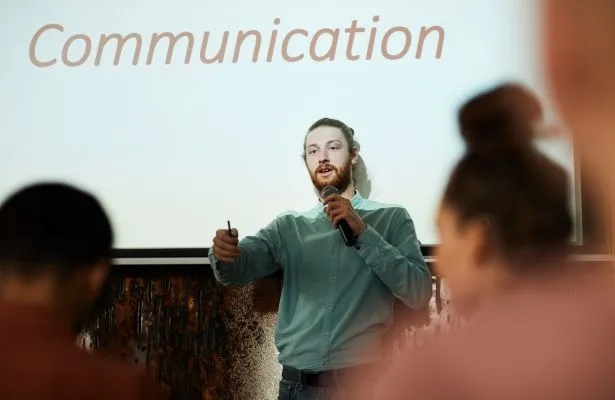
Some hotel chains include a brief communication skills presentation as part of their hiring process. Candidates present themselves or explain a simple topic to a small group. This reveals public speaking confidence, the ability to structure thoughts clearly, and how well someone holds attention.
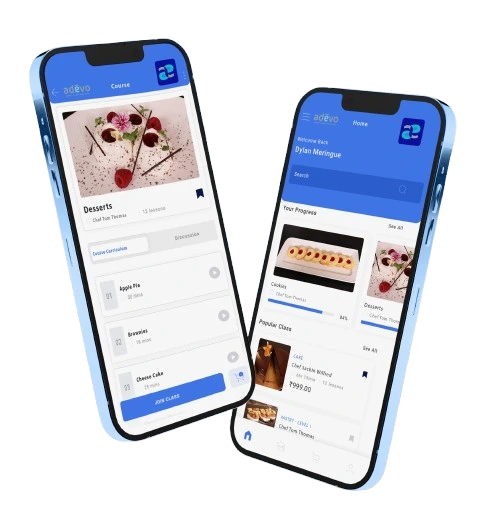
Group exercises show a different angle. Interviewers watch how candidates listen to others, whether they build on teammates’ ideas or talk over them, and how they handle disagreement. These behaviours predict how the candidate will function within a department team. Adevo’s hospitality management soft skills courses in Bangalore use the same group exercise methodology to develop these communication skills in existing hotel teams.
Trial Shifts
The most reliable communication assessment is a trial shift where the candidate interacts with real guests under supervision. No amount of interview preparation can fake the ability to communicate naturally under actual service conditions. Properties that use trial shifts make fewer hiring mistakes because they see the real person, not the interview version.
Where Does Time Management Connect to Communication Skills?
Time management in soft skills often gets treated as a separate topic. But in hospitality, the two are deeply connected. Staff who manage their time poorly also communicate poorly because they’re always rushing, cutting interactions short, and skipping the confirmation steps that prevent misunderstandings.
A front desk executive who manages their time well during check-in rush doesn’t sacrifice communication quality for speed. They handle each guest interaction completely, confirming details and making eye contact, before moving to the next. Staff who feel time pressure tend to speak faster, listen less, and skip the small courtesies that make interactions feel personal.
For managers, training communication and time management together produces better results than training either in isolation. Staff who learn to estimate how long a standard interaction should take and pace themselves accordingly communicate more clearly under pressure.
The same applies to shift handovers. A well-managed handover includes clear verbal communication about ongoing guest issues, room status updates, and pending tasks. Staff who rush through handovers because of poor time management create information gaps that the next shift inherits as problems.
How Can Managers Build Soft Skills Communication Across Their Team?
Building communication skills requires a different approach than technical training. You can’t just hand staff a manual. Here’s what actually works in Indian hospitality operations.
Daily pre-shift briefings with a communication focus. Dedicate two minutes of every briefing to a specific communication scenario. “Today, if a guest asks about local restaurants, recommend two options and give one specific reason for each.” Small, daily practice builds habits faster than monthly workshops.
Role-play with real complaint scripts. Pull actual guest complaints from your reviews. Have staff practise responding in pairs while a supervisor observes. Focus feedback on the first 15 seconds of the response, since that’s where most communication failures happen.
Multilingual communication guidelines. Create simple phrase guides for the three most common guest languages at your property. Staff who can greet a guest in their language, even with just a few words, immediately shift the interaction from transactional to personal.
Feedback loops tied to guest reviews. When a guest mentions a staff member positively in a review, share it with the team. When complaints reference communication issues, discuss the specific gap (not the staff member) during training. Staff who see the direct connection between their communication and guest feedback improve faster. Investing in specialised programs from bakery and confectionery training through to front-of-house communication modules gives teams a comprehensive skill development path.
Conclusion
Soft skills communication is the foundation every other hospitality skill rests on. Empathy without clear communication sounds hollow. Teamwork without proactive updates creates chaos. Problem-solving without the ability to explain your reasoning doesn’t build trust.
For Indian hotel managers, the priority is clear: assess your team’s communication abilities using real service observations and guest feedback patterns. Identify the specific gaps, whether that’s active listening, verbal clarity, or non-verbal awareness, and train for those gaps deliberately.
The properties that invest in structured soft skills communication training see returns in every metric that matters: guest satisfaction, review scores, complaint resolution time, and staff confidence. Start with your daily briefings. That’s where lasting soft skills communication habits are built.
| Soft Skills Communication Area | What Hotels Test | How to Build It |
|---|---|---|
| Active listening | Role-play with guest complaint | Daily 2-min briefing drills |
| Verbal clarity | Scenario-based interview questions | Multilingual phrase guides |
| Body language | Trial shift observation | Posture and eye contact coaching |
| Time-managed communication | Multi-task prioritisation exercise | Check-in rush simulations |
Frequently Asked Questions: Communication Skills in Hospitality
Q: Why is soft skills communication considered the most important skill in hotels? A: Soft skills communication affects every guest interaction, every shift handover, and every cross-department coordination. A hotel can compensate for a slow elevator or an outdated room design, but it cannot compensate for staff who make guests feel unheard or dismissed. Communication is the skill that either creates or destroys the guest’s emotional experience at your property.
Q: How do hotels test communication skills during interviews? A: Indian hotel chains use three primary methods: scenario-based role plays (responding to a simulated guest complaint), communication skills presentations (explaining a topic to a small group), and trial shifts (interacting with real guests under observation). The combination reveals listening ability, clarity, composure, and natural communication style under different conditions.
Q: Can introverted staff become strong communicators in hospitality? A: Yes. Strong hospitality communication isn’t about being extroverted or talkative. It’s about listening carefully, responding clearly, and reading the guest’s emotional state. Many of the best front desk and concierge professionals in Indian hotels are naturally quiet people who communicate with precision and genuine attention rather than volume.
Q: How long does soft skills communication training take to show results? A: Properties that run focused daily exercises (2-3 minutes per briefing) combined with weekly soft skills communication role-play sessions see measurable improvement in guest feedback within 4-6 weeks. The key is daily repetition. Staff who practise specific communication behaviours every shift develop habits that stick, while monthly workshops produce only temporary awareness.
Q: What soft skills communication mistakes do hotel staff make most often? A: The three most common soft skills communication mistakes are: not confirming understanding (acting on an assumption rather than repeating the guest’s request), jumping to solutions during complaints (offering fixes before acknowledging the guest’s frustration), and using inconsistent formality (being too casual with business travellers or too formal with families). Each of these can be corrected through targeted practice.