
Introduction
Meera Joshi checked into a well-known 4-star hotel in Hyderabad last November. She is Jain, from Ahmedabad. At dinner, she asked the server whether the paneer dish contained onion or garlic. The server shrugged. “Madam, it’s vegetarian only.” Meera pressed further. The kitchen had no answer. She skipped dinner entirely. The next morning, a front-desk associate greeted her with a cheerful “Namaste-ji” in Hindi. Meera speaks Gujarati. She felt invisible. She checked out a day early and left a two-star review. The hotel lost a loyal guest over two preventable mistakes.
This is not rare. It happens every day across Indian hotels. Your staff mean well. They simply lack training on the cultural diversity they serve. If you run a hotel, resort, or restaurant in India, soft skills training courses that include cultural sensitivity are not optional. They directly protect your revenue, reputation, and guest loyalty.
In this guide, we break down the practical, India-specific cultural sensitivity training your frontline team needs. No abstract theory. Just actionable frameworks that work on the ground.
Why Cultural Sensitivity Matters for Your Business
Cultural sensitivity training is not about being “nice.” It is a business decision. Hotels that invest in cross-cultural staff training see measurable results. A study on hospitality training found that cross-cultural training improves guest satisfaction by 32.5%.
Guest Experience: Cultural Awareness Drives Ratings
Guests remember how they felt. A Tamil-speaking couple who arrive at a Delhi hotel and are greeted in Tamil feel welcomed. A Muslim family whose room has a prayer mat and Qibla direction card feel respected. These moments turn into five-star reviews and repeat bookings.
Staff Morale: Inclusive Culture Improves Retention
The Federation of Hotel & Restaurant Associations of India (FHRAI) reports 25-30% annual staff turnover in Indian hospitality. One major driver: staff from minority backgrounds or migrant states feeling excluded. Cultural sensitivity training builds belonging. Belonging reduces attrition.
Risk Mitigation: Insensitivity Costs Real Money
A guest complaint about cultural disrespect spreads faster than a positive review. One bad experience shared on Google or TripAdvisor can cost dozens of future bookings. Training costs a fraction of the revenue you lose from even one such incident.
Understanding India’s Diversity: The Foundation
Before training staff on cultural customs, they must understand the sheer scale of India’s diversity.
28 States, 22 Official Languages, 6+ Major Religions
India is not one culture. It is hundreds. Your hotel in Bangalore may host a Punjabi family, a Keralite couple, a Jain businessman from Rajasthan, and a Japanese tourist — all on the same night. Each guest carries different language preferences, dietary needs, and service expectations.
Internal Migration: Your Staff Are Diverse Too
Many hotels employ staff who migrated from other states. A housekeeper from Bihar working in Chennai may not understand Tamil customs. A server from Assam working in Mumbai may never have encountered Jain dietary restrictions. Cultural sensitivity training is not just about guests. It is about helping your own team understand each other and the region they serve.
The Big 5 Cultural Distinctions in Indian Hospitality
These five areas cause the most friction when staff lack awareness. Train on these first.
Distinction 1: Vegetarian Preferences
Approximately 40% of Indians are vegetarian, spanning religious, regional, and ethical reasons. But “vegetarian” means different things to different guests. A Jain guest avoids onion, garlic, and root vegetables. A Hindu guest during Navratri may avoid grains. A South Indian vegetarian may eat eggs.
Training action: Teach staff to ask, not assume. “Do you have any specific dietary preferences?” is always the right question.
Distinction 2: Religious Dietary Laws
Halal requirements for Muslim guests, strict Jain kitchens, Buddhist vegetarianism — these are non-negotiable religious practices, not casual preferences. Treating a halal request as “just another preference” is a serious mistake.
Training action: Kitchen and F&B staff must understand cross-contamination risks. Separate utensils for vegetarian and non-vegetarian preparation is the minimum standard.
Distinction 3: Festival Awareness
India celebrates over 100 festivals across states and religions. During Navratri, many guests fast or eat only specific foods. During Ramadan, Muslim guests fast from dawn to sunset and need early morning and late evening meal options. During Pongal, South Indian guests may appreciate a festive greeting.
Training action: Maintain a monthly festival calendar. Brief staff every Monday on the week’s major festivals and any service adjustments needed.
Distinction 4: Privacy and Modesty Norms
Expectations around privacy vary significantly. Some guests from conservative backgrounds prefer that female housekeeping staff clean rooms occupied by women. Others may expect staff to knock and announce themselves clearly before entering. Guests from certain regions may be uncomfortable with casual physical contact like handshakes.
Training action: Default to maximum formality and privacy. Always knock, always announce, always ask permission.
Distinction 5: Hierarchy and Respect Norms
How you address a guest matters. An elderly Gujarati businessman may expect “Shri” or “Sir” — never his first name. A South Indian professional may prefer formal address until they invite informality. International guests may prefer first names from the start.
Training action: Train staff to use formal titles (Mr., Mrs., Sir, Ma’am) until a guest signals otherwise. Never default to first names.
Regional Deep-Dive: Service Expectations Across India
North India: Delhi, Punjab, Uttar Pradesh
Ravi, a concierge at a Jaipur heritage hotel, noticed that guests from Punjab expected warmth and personal conversation. They wanted to be asked about their journey. They expected generous portions at meals and appreciated being remembered by name on return visits. When Ravi started greeting repeat guests with “Welcome back, Sardar-ji, your usual corner table?” — his guest satisfaction scores jumped.
Language: Hindi-dominant, English secondary. Staff should learn basic Punjabi greetings for Sikh guests.
Service style: Warm, personal, generous. Guests expect hospitality that feels like family.
Food: Mix of vegetarian and non-vegetarian. Many Marwari and Jain guests in Rajasthan with strict dietary needs.
Common mistake: Assuming all North Indians eat non-vegetarian food.
South India: Tamil Nadu, Karnataka, Kerala, Telangana
Language: Tamil, Kannada, Malayalam, Telugu. Hindi is often not spoken or welcomed as a default language. This is the single most common cultural misstep in Indian hospitality.
Service style: Precise, efficient, professional. South Indian guests often value punctuality and accuracy over excessive warmth.
Food: Strong vegetarian tradition, especially in Tamil Nadu and Karnataka. Filter coffee, not chai, is the default morning beverage in many South Indian households.
Common mistake: Speaking Hindi to a Tamil-speaking guest. Train staff: if unsure of the guest’s language, default to English and ask politely.
West India: Gujarat, Maharashtra, Rajasthan
Language: Gujarati, Marathi, with Hindi as secondary.
Service style: Business-like, value-conscious. Gujarati guests in particular appreciate efficiency and straightforward service without excessive formality.
Food: Heavy vegetarian tradition. Gujarat has one of the highest vegetarian populations in India. Jain guests from Rajasthan and Gujarat may require food without onion, garlic, or root vegetables — and they will ask detailed questions about preparation.
Common mistake: Dismissing Jain dietary requests as “too complicated.” These are religious obligations.
East India: West Bengal, Odisha, Assam
Language: Bengali, Odia, Assamese. These guests may speak Hindi but prefer their regional language.
Service style: Culturally warm, with genuine interest in local customs. Bengali guests especially appreciate cultural conversation and may enjoy discussing local cuisine, art, or history.
Food: Fish is central to Bengali cuisine. Do not assume vegetarian. Assamese cuisine differs significantly from Bengali — staff should know the basics.
Common mistake: Not offering regional cuisine options. A Bengali guest in Mumbai appreciates seeing fish on the menu.
Religious Considerations: Practical Service Guidelines
Hindu Guests
Many Hindu guests are vegetarian, though not all. During festivals like Navratri, Shivratri, or Ekadashi, even non-vegetarian Hindus may observe fasting or dietary restrictions. Religious items in rooms — small idols, prayer beads, sacred threads — must never be touched or moved by housekeeping staff.
Muslim Guests
Halal food is a requirement, not a preference. During Ramadan, hotels should offer pre-dawn (Suhoor) and post-sunset (Iftar) meal options. Some Muslim guests may request information about the nearest mosque or the Qibla direction. Female guests from conservative families may prefer female housekeeping staff.
Sikh Guests
Many Sikh men wear turbans and maintain uncut hair. Staff must never comment on or question a guest’s appearance. Some Sikh guests are vegetarian; others eat non-vegetarian but may specifically avoid halal-certified meat. If asked about Langar (community kitchen) at a local Gurudwara, staff should have that information ready.
Jain Guests
Sunita, an F&B manager at a boutique hotel in Udaipur, transformed her kitchen’s Jain food service. She created a separate Jain menu — no onion, no garlic, no root vegetables, no alcohol in cooking. She trained her kitchen team on why these restrictions exist. Her hotel’s Jain guest bookings increased by 40% within six months, driven entirely by word-of-mouth.
Key training point: Jain dietary restrictions are among the strictest. Separate utensils, separate preparation areas, and clear menu labeling are essential.
Christian, Buddhist, and Zoroastrian Guests
Christian guests may fast during Lent. They may request information about nearby churches for Sunday services. Buddhist guests may be vegetarian and may appreciate a quiet space for meditation. Zoroastrian (Parsi) guests form a small but prominent community, generally cosmopolitan, with minimal special service requests.
Practical Training for Frontline Staff
Before rollout, align your language plan with this multilingual training guide for diverse hospitality teams.
Front Office and Concierge
The front desk is where first impressions form. Train your team to:
- Greet guests in their language when possible. A simple “Vanakkam” for a Tamil guest or “Sat Sri Akal” for a Sikh guest makes a powerful impression.
- Ask at check-in: “Do you have any dietary preferences or special requirements we should know about?”
- Never treat religious dietary needs as “special requests.” They are standard service obligations.
- Maintain a list of nearby religious sites: temples, mosques, churches, gurudwaras, Jain temples.
Housekeeping
- Never touch or move religious items in a guest’s room. Prayer mats, idols, holy books — leave them exactly where they are.
- Always knock and announce before entering. Wait for a response.
- Learn basic phrases in regional languages: “thank you,” “excuse me,” “may I clean?”
- Never make assumptions about guests based on appearance or dress.
Food and Beverage
- Understand: vegetarian does not equal vegan. Jain does not equal vegetarian. Halal does not equal “Muslim food only.”
- Maintain separate utensils for vegetarian and non-vegetarian preparation to prevent cross-contamination.
- Label menus clearly with dietary markers (V for vegetarian, J for Jain, H for Halal).
- Train kitchen staff on the “why” behind dietary restrictions. Understanding builds respect.
Common Cultural Missteps and How to Avoid Them
Mistake 1: Assuming all Indians speak Hindi. In Tamil Nadu, Kerala, Karnataka, and the Northeast, Hindi is not the first language. Default to English when unsure.
Mistake 2: Treating religious dietary needs as preferences. A Jain guest who asks about garlic in a dish is not being difficult. They are following religious practice. Respond with respect and accuracy.
Mistake 3: Commenting on a guest’s appearance. A turban, bindi, hijab, or sacred thread is not a conversation starter. It is personal. Train staff to focus on service, not appearance.
Mistake 4: Not taking fasting seriously. During Ramadan, Navratri, or Lent, guests may need specific meal timing. Saying “we don’t serve at that hour” is a failure of service. Find a solution.
Mistake 5: Assuming international guests know nothing about India. Many international visitors are deeply knowledgeable about Indian culture. Condescending explanations of “how things work here” are unwelcome.
Mistake 6: Over-explaining cultural differences. Your job is to adapt your service, not lecture guests about why different regions do things differently. Just deliver the right service.
Building a Culturally Fluent Team
Hiring for Cultural Awareness
During interviews, ask candidates scenario-based questions: “A guest asks for a Jain meal and your kitchen does not have separate preparation. What do you do?” The answer reveals cultural awareness better than any certificate.
Day-One Onboarding
Cultural sensitivity belongs in the first day of training. Not week three. Not “when we get around to it.” Day one. Cover India’s diversity, your hotel’s guest demographics, and the basic service adjustments each culture requires.
Monthly Training Refreshers
Dedicate 30 minutes monthly to a rotating cultural topic. One month: regional language basics. Next month: festival calendar review. Next: religious dietary deep-dive. Consistency builds fluency.
Guest Feedback Integration
Add a question to your post-stay survey: “How well did our team handle your cultural or dietary needs?” Track scores over time. Use feedback to refine training.
Training Implementation: A 4-Week Plan
Week 1 — India’s Diversity Foundations: Cover 28 states, 22 languages, 6+ religions. Help staff understand the scale of diversity they serve daily.
Week 2 — Regional Deep-Dive: North, South, East, West. Language expectations, food preferences, service style differences.
Week 3 — Religious Considerations: Hindu, Muslim, Sikh, Jain, Christian, Buddhist. Dietary requirements, festival awareness, room preparation.
Week 4 — Role-Specific Training: Front office, housekeeping, F&B, concierge. Each department practices culturally appropriate responses through role-play scenarios.
Month 2 onwards: Monthly 30-minute refresher sessions on new topics. Rotate through regional cuisines, festival awareness, international guest expectations, and language basics.
Measuring Success: KPIs That Matter
Track these metrics to know whether your cultural sensitivity training is working:
- Guest satisfaction scores on cultural service (add a specific survey question)
- Complaint reduction in culture-related categories (dietary errors, language issues, religious insensitivity)
- Staff retention rates (inclusive culture reduces attrition; compare pre- and post-training periods)
- Online review analysis (track mentions of “respectful,” “culturally aware,” “thoughtful service” in guest reviews)
Make Cultural Sensitivity a Competitive Advantage
India’s diversity is not a problem to manage. It is an opportunity to excel. Hotels that train staff on regional customs, religious considerations, and cultural expectations deliver consistently better guest experiences. They earn better reviews. They retain staff longer. They build reputations that competitors cannot replicate.
The training investment is modest. The returns — in guest loyalty, online ratings, and staff morale — are substantial.
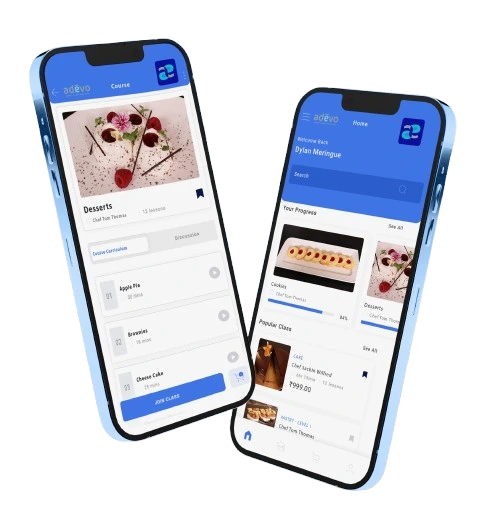
Ready to build a culturally fluent hospitality team? Adevo’s hospitality management courses include cultural sensitivity modules designed specifically for Indian hotel and restaurant teams. Our online skill development courses deliver multilingual training that reaches every member of your staff, from front desk to kitchen.