
Introduction
Peak season is coming. Hotels across India are gearing up—booking more rooms, planning bigger events, preparing for the surge. And with that surge comes a familiar challenge: hiring 30, 50, sometimes 100 temporary staff members to handle the volume.
Here’s the uncomfortable truth: most properties don’t train seasonal staff properly. They’re hired on Monday, thrown into service on Wednesday, and by week three, half have quit. Guests complain. Standards slip. Compliance gaps widen. And you’re left scrambling.
The cost matters: guest complaints spike, regulatory compliance becomes a headache, and you’ve wasted time and money on staff who never made it past their second week. But it doesn’t have to be this way. With a structured onboarding framework, clear SOPs, and the right training approach, you can turn seasonal workers from a liability into an asset. Explore how soft skills training courses designed for temporary staff can accelerate competency and reduce first-week failures. This guide shares the exact framework hospitality operators across India use to train temporary staff quickly, without sacrificing standards or compliance.
Why Seasonal Staff Fail in Indian Hospitality (And How Training Prevents It)
Seasonal hiring isn’t the problem. Seasonal undertraining is.
When you bring in 50 temporary housekeeping staff for a wedding season, you can’t afford to spend three weeks training them. But you also can’t afford to put untrained staff in front of guests or in your kitchen.
The real challenge is the compounding cost of poor onboarding. Think about a weekend reception at a 60-room hotel in Bangalore:
- Housekeeping: A new seasonal staff member doesn’t know your property’s room turnover standards. Guests complain about dusty corners, missing amenities.
- Front desk: A temporary receptionist doesn’t understand your check-in process. Guest experience suffers.
- Kitchen prep: New seasonal staff don’t know FSSAI compliance steps. You’re exposed to health violations.
- F&B Service: A temporary server delivers food incorrectly, doesn’t upsell, misses guest requests.
Each failure isn’t just a guest complaint—it’s a reputation hit, a potential compliance violation, and lost revenue from upsell opportunities. Trained seasonal staff stick around longer, perform better, and maintain service consistency.
Language Barriers and Cultural Onboarding
Here’s another gap many properties ignore: language. Your temporary kitchen staff may speak Kannada or Tamil. Your housekeeping staff might have limited English. But your guest-facing standards are in English. Your SOPs are in English. Your safety protocols are in English.
When you don’t address this gap, you get compliance failures, service inconsistencies, and safety risks. India-first hospitality training solves this by delivering instruction in local languages, so staff understand, not just listen.
5-Step Framework for Rapid Seasonal Staff Onboarding
You don’t have weeks to train seasonal staff. You have days. This framework compresses onboarding into a practical timeline without cutting corners.
Step 1: Pre-Arrival Assessment and Role-Specific Skill Mapping
Before your seasonal staff member arrives, do your homework.
Send a simple form asking basic questions: previous hospitality experience, language proficiency, physical ability (for housekeeping, kitchen roles), availability through the entire season. This takes 10 minutes but saves hours of misalignment later.
What you’re mapping: core skills they bring, gaps you’ll need to fill fast, and special training needs (if any). For a housekeeping staff member with no hotel experience, you’re starting from zero. For someone with 2 years of hotel housekeeping, you’re fine-tuning and updating property-specific SOPs. This step prevents wasting time training on skills they already have.
Step 2: Day 1 Immersion—SOPs, Safety, Guest Service Fundamentals
Day 1 isn’t a gradual ramp-up. It’s immersion.
Morning (3 hours)
- Property tour (30 mins)
- Safety protocols (45 mins)
- Company culture and values (30 mins)
- Guest-facing etiquette (45 mins)
Afternoon (3 hours)
- Role-specific overview (1 hour)
- Documentation and compliance (1 hour)
- Introduction to buddy/supervisor (30 mins)
- Q&A and role clarity (30 mins)
By end of Day 1, your seasonal staff member knows your property, the safety basics, what their job entails, and who to ask if lost.
Step 3: Role-Specific Technical Training (F&B Service, Housekeeping, Kitchen)
This is where the real skill-building happens. And it varies by role.
For Housekeeping Staff:
- Room turnover standards
- Amenity placement and stock levels
- Deep-cleaning protocols
- Complaint handling
Timeline: 5–7 days of 4-hour daily training plus 3-day shadowing. Total: approximately 10 days to competency.
For F&B Service Staff:
- Service sequence
- Wine/beverage knowledge basics
- Guest interaction scripts
- POS system basics
Timeline: 4–5 days of classroom plus 5 days of floor shadowing. Total: approximately 10 days.
For Kitchen Prep Staff:
- Food safety and FSSAI compliance (critical)
- Station-specific prep
- Quality standards and plating
- Waste and hygiene protocols
Timeline: 3 days of theory plus 7 days of hands-on training. Total: approximately 10 days. Pro tip: compress this using multilingual training modules. If your kitchen staff learns food safety in their preferred language, they absorb it faster and comply better.
Step 4: Buddy System and Continuous Feedback Loops
Classroom training only goes so far. Real learning happens on the job.
Assign each seasonal staff member a “buddy”—an experienced staff member who shadows them and provides daily feedback. Daily feedback format takes just 5 minutes: one thing they did well, one thing to improve, action for tomorrow. This isn’t formal review. It’s real-time coaching. It prevents bad habits from forming and keeps staff engaged.
Step 5: Pre-Service Quality Checks and Guest-Facing Readiness
Before your seasonal staff goes full-service, they’re evaluated.
Housekeeping: Supervisor inspects 3 rooms cleaned by trainee. All 15 quality points met? If no, retrain and recheck.
F&B Service: Supervisor watches trainee execute full service sequence. Is service timing correct? Guest interaction natural? Upselling attempted? If yes, cleared for service. If no, additional floor training.
Kitchen Prep: Food safety checklist, prep quality check, and FSSAI-critical task sign-off required.
Once they pass this gate, they’re ready for guests. This prevents the “trained but not verified” trap many properties fall into.
Templates and Tools for Seasonal Staff Training
You don’t have to build this from scratch. Here are the tools that work.
Seasonal Onboarding Checklist (Role-Specific)
Housekeeping Seasonal Onboarding Checklist
- [ ] Pre-arrival: Skill assessment form completed
- [ ] Day 1: Property orientation, safety, culture (6 hours)
- [ ] Days 2–7: Daily 4-hour room turnover training and inspection
- [ ] Days 8–10: Shadowing, buddy feedback (daily)
- [ ] Day 10: Supervisor quality check (3 rooms)
- [ ] Week 3: First guest-facing shift
- [ ] Week 4: Performance review and ongoing development plan
F&B Service Seasonal Onboarding Checklist
- [ ] Pre-arrival: Experience and language assessment
- [ ] Day 1: Property orientation, safety (6 hours)
- [ ] Days 2–6: Classroom training (service sequence, wine knowledge, guest interaction scripts)
- [ ] Days 7–11: Floor shadowing, buddy feedback
- [ ] Day 11: Supervisor service observation and sign-off
- [ ] Week 3: First guest-facing service
- [ ] Week 4: Performance feedback and coaching
Kitchen Prep Seasonal Onboarding Checklist
- [ ] Pre-arrival: Physical capability and language assessment
- [ ] Day 1: Property, safety, FSSAI basics (6 hours)
- [ ] Days 2–4: Food safety certification, station-specific prep training
- [ ] Days 5–11: Hands-on training with senior cook, daily feedback
- [ ] Day 11: Food safety knowledge check, prep quality audit
- [ ] Week 3: Independent prep shifts under supervision
- [ ] Week 4: FSSAI compliance verification, performance review
2-Week Training Timeline (Peak Season Adapted)
For properties with extreme time pressure, here’s a compressed 2-week timeline:
Week 1
- Days 1–2: Full immersion (property, safety, culture, role overview)
- Days 3–5: Intensive role-specific training (16 hours total)
- Days 6–7: Buddy shadowing, feedback loops begin
Week 2
- Days 8–10: Trainee leads with buddy observation
- Day 10: Quality gate check (supervisor sign-off)
- Days 11–14: Guest-facing service under supervision
By end of Week 2, your seasonal staff is ready for supervised service. This isn’t ideal, but it’s workable for peak season when hiring happens with short lead time. Better practice: hire seasonal staff 4 weeks before peak season. This gives you the full 4-week training framework instead of the compressed timeline.
Multilingual Training Modules for Non-English Speakers
Here’s where many Indian properties fall short: they assume everyone speaks English. They don’t.
Solution: deliver critical training in local languages. Instead of a housekeeping supervisor explaining room standards in English to staff who speak Tamil, use mobile-first training modules with video and local language subtitles, bite-sized lessons, visual demonstrations, and multilingual SOPs printed in local languages.
Topics that absolutely need multilingual delivery: food safety and FSSAI compliance, fire safety and emergency protocols, guest service fundamentals, and harassment prevention training. According to FSSAI guidelines, all food handlers must be trained in hygiene and food safety regardless of language background. Using food and beverage training programmes with multilingual content reduces onboarding time and improves compliance understanding.
Compliance and Safety: Non-Negotiables for Temporary Staff
Seasonal staff often mean temporary compliance oversight. That’s a mistake and an exposure.
FSSAI Compliance for Kitchen Staff
If your seasonal staff touches food, FSSAI compliance is non-negotiable.
Core training (mandatory for all kitchen staff):
- Food handling hygiene (handwashing, hair nets, aprons)
- Cross-contamination prevention (separate boards, color-coded utensils)
- Temperature logging (refrigeration checks, cooking temps)
- Pest control protocols
- Waste management
Documentation: keep records of who trained whom, dates, and sign-offs. If there’s ever an inspection or incident, this protects your property. FSSAI requires documented training records for all food handlers on premises.
Verification: before a seasonal kitchen staff member touches food, supervisor must sign off on FSSAI understanding.
Labor Code Requirements (Wage, Working Hours, Safety)
India’s labor codes apply to seasonal workers the same as permanent staff. Seasonal workers are entitled to documented wage agreement, wage payment on time, safe working conditions, injury compensation (if applicable), and gratuity (if employed over 90 days).
Common gaps properties miss: no wage clarity (disputes at season end), no safety documentation (liability if injury occurs), no written contract (labor code violations). According to Ministry of Labour & Employment guidelines, all temporary workers must be covered under wage payment acts.
Best practice: provide written employment contract before Day 1, outlining wage, working hours, benefits (if any), and season end date. Have the staff member sign in their preferred language.
Documentation and Record-Keeping for Seasonal Workers
Keep records of hiring (application, skill assessment, wage agreement), training (topics, dates, sign-offs), attendance (daily check-ins, hours worked), performance (quality checks, supervisor feedback), compliance (safety training, FSSAI sign-off if kitchen), and departure (exit date, final wage payment confirmation).
This documentation protects your property legally and provides evidence of compliance if ever questioned.
Technology: Digital Training for Seasonal Staff
Classroom training has limits. You can’t train 50 staff members simultaneously. You can’t refresh training instantly. You can’t track who learned what.
Technology solves this when done right.
Mobile LMS Advantages
What’s a Learning Management System? It’s where training modules live online and staff access via smartphone.
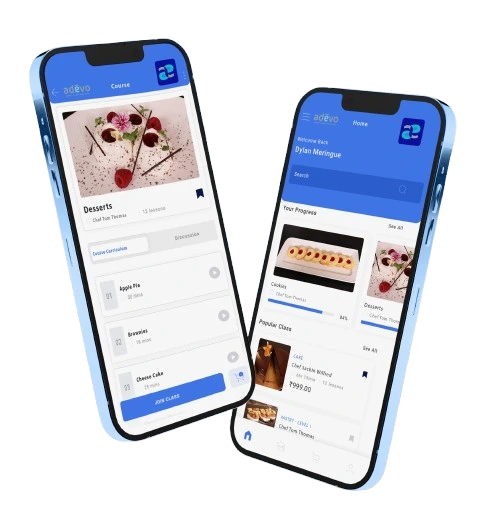
Why mobile matters for seasonal staff: staff can learn during downtime, no need to gather everyone in a classroom, multilingual content delivers training in their preferred language, tracking shows who completed which modules and if they passed assessments, and flexibility allows staff to retake modules as refreshers.
Example: instead of a 3-hour classroom session on room turnover standards, break it into 5-min video (“How to clean a guest room”), 3-min checklist (“Room inspection points”), 2-min quiz. Staff completes it on their phone in 15 minutes, on their schedule.
Micro-Learning Modules vs. Classroom Training
Classroom training (traditional): interactive and real-time Q&A, but requires everyone in one place at one time and difficult for non-native speakers.
Micro-learning (mobile modules): flexible timing, multilingual, trackable, repeatable, and mobile-first, but requires some digital literacy and no live interaction.
Best practice: use hybrid approach. Use classroom for orientation and role overview. Use micro-learning modules for technical skill-building (F&B service steps, housekeeping standards, food safety).
Real-Time Tracking and Performance Monitoring
An LMS tracks module completion, assessment scores, skill gaps, and compliance verification. This data lets supervisors identify staff who need additional support early, verify compliance before peak season, and document training for regulatory audits. When scaling training across multiple locations, Multilingual Training for Diverse Workforce provides proven frameworks for consistency and effectiveness.
Bringing It All Together: Your Seasonal Workforce Training Roadmap
Here’s the end-to-end timeline for a property that hires seasonal staff 3-4 weeks before peak season (the ideal scenario):
Week 1 (Hiring Window)
- Recruit seasonal staff (all roles)
- Send pre-arrival skill assessment
Week 2 (Onboarding Week)
- Day 1: Full orientation (6 hours)
- Days 2–4: Role-specific training (classroom or micro-learning modules)
Week 3 (Skills Development)
- Days 5–10: Buddy shadowing, daily feedback loops
- Day 10: Quality gate check (supervisor sign-off)
Week 4 (Verification)
- Days 11–14: Guest-facing service under supervision
- End of Week 4: Performance review, coaching plan for rest of season
Peak Season (Ongoing)
- Weekly check-ins with supervisor
- Monthly refresher training for new staff joining mid-season
- Continuous feedback loops
This timeline ensures your seasonal staff can handle peak season service without being a compliance liability. They’ll still make mistakes. New people always do. But they’ll have the foundation to perform with confidence.
Practical Implementation: What to Do Right Now
If you’re hiring seasonal staff this year, here’s your action plan:
This Month
- Identify your seasonal hiring timeline (when do you need staff?)
- Map out your 4-week training plan (what will you train on, and how?)
- If multilingual staff exist, set up a mobile LMS platform
- Create role-specific onboarding checklists (use the templates above)
Next Month (Hiring Window)
- Recruit using a skill assessment form
- Schedule Day 1 orientation for all new hires
- Assign buddies to each seasonal staff member
- Track training completion in your LMS
During Peak Season
- Conduct weekly supervisor check-ins
- Use buddy feedback to adjust coaching
- Keep compliance documentation updated
- Celebrate wins (staff hitting 90 days, quality metrics improving)
The Bottom Line
Seasonal staff training isn’t an afterthought. It’s the difference between a successful peak season and a chaotic one.
Properties that invest in structured onboarding see measurable improvements in staff consistency, compliance scores, and operational smoothness. The framework is simple: pre-arrival assessment → Day 1 immersion → role-specific training → buddy shadowing → quality gate → guest-facing service.
The tools are available. The only question is: will you implement it? Peak season is predictable. Your seasonal staff performance shouldn’t be random.
Frequently Asked Questions (FAQ)
How long does it take to train seasonal staff before they serve guests?
The ideal timeline is 3–4 weeks: one week for pre-arrival assessment and recruitment, one week for orientation and foundational training, one week of technical skill-building plus buddy shadowing, and one week of guest-facing service under supervision. If you’re on a tight schedule, a compressed 2-week timeline works for peak season, though it’s less ideal. The key is completing the 5-step framework—assessment, Day 1 immersion, role-specific training, buddy system, and quality gate check—before guests interact with seasonal staff.
What’s the ROI of investing in seasonal staff training?
Properties report 35–40% reduction in first-month staff turnover, 20–25% fewer guest complaints from inadequately trained staff, and 15% faster competency compared to minimal onboarding. If you’re hiring 30 seasonal staff and investing ₹2,000 per person (₹60,000 total), you recoup this through reduced training rework, fewer guest complaints, and longer staff retention across the season. Most properties see positive ROI within the first month of peak season.
Can temporary staff be trained effectively, or should we expect higher failure rates?
Temporary staff can be trained as effectively as permanent staff if the framework is structured and incentives are clear. The difference isn’t capability; it’s clarity. Seasonal workers need to understand their role, expectations, and duration upfront. When training is structured (as outlined in this guide), compliance is verified, and buddy feedback is consistent, seasonal staff perform comparably to permanent staff. The key is treating their onboarding as seriously as permanent hires, not as an afterthought.
What are the FSSAI food safety requirements for temporary kitchen staff?
All food handlers, temporary or permanent, must be trained in food safety and hygiene before handling food. FSSAI requires documented training on handwashing, cross-contamination prevention, temperature logging, pest control, and waste management. Keep records of who trained whom, dates, and sign-offs. Before any seasonal kitchen staff touches food, a supervisor must verify they understand FSSAI protocols and sign off. Failure to document this training exposes your property to health code violations.
How do you handle language barriers when seasonal staff speak different regional languages?
Use multilingual training modules delivered in the staff member’s preferred language. Instead of delivering a 3-hour English classroom session, break content into short mobile videos with local language subtitles, visual demonstrations, and checklists printed in local languages. This is especially critical for food safety (FSSAI), fire safety, and guest service fundamentals. Many properties skip this step and wonder why seasonal staff struggle. Addressing language upfront reduces onboarding time and improves compliance understanding.
What’s the difference between a seasonal staff member and a casual hire?
A seasonal staff member is hired for a defined period (peak season, wedding season, specific event). A casual hire may be engaged on short notice for irregular shifts. Legally, both must be covered under India’s wage payment and labor codes. Seasonal staff deserve the same documentation (wage agreement, safety training, FSSAI sign-off if applicable) as permanent staff. The training framework in this guide applies to both, though the timeline may be compressed for casual hires.
Should seasonal staff get the same benefits as permanent staff?
Legally, no. Temporary workers are entitled to documented wage payment, safe working conditions, and gratuity only if employed over 90 days continuously. What’s best practice: provide clear wage transparency, on-time payment, safe working conditions, and a positive experience. This encourages staff to return in future seasons and refer friends. Many properties fail to do this, creating a revolving door of seasonal staff every year.