English service is a formal style of restaurant service in which the waiter brings food to the table on platters and the host portions it or lets the waiter serve it. It is also called host service, and it suits family-style formal dinners and private dining rooms. Adevo’s food and beverage training courses cover it alongside the other classic styles, and this guide shows how it works on an Indian floor.
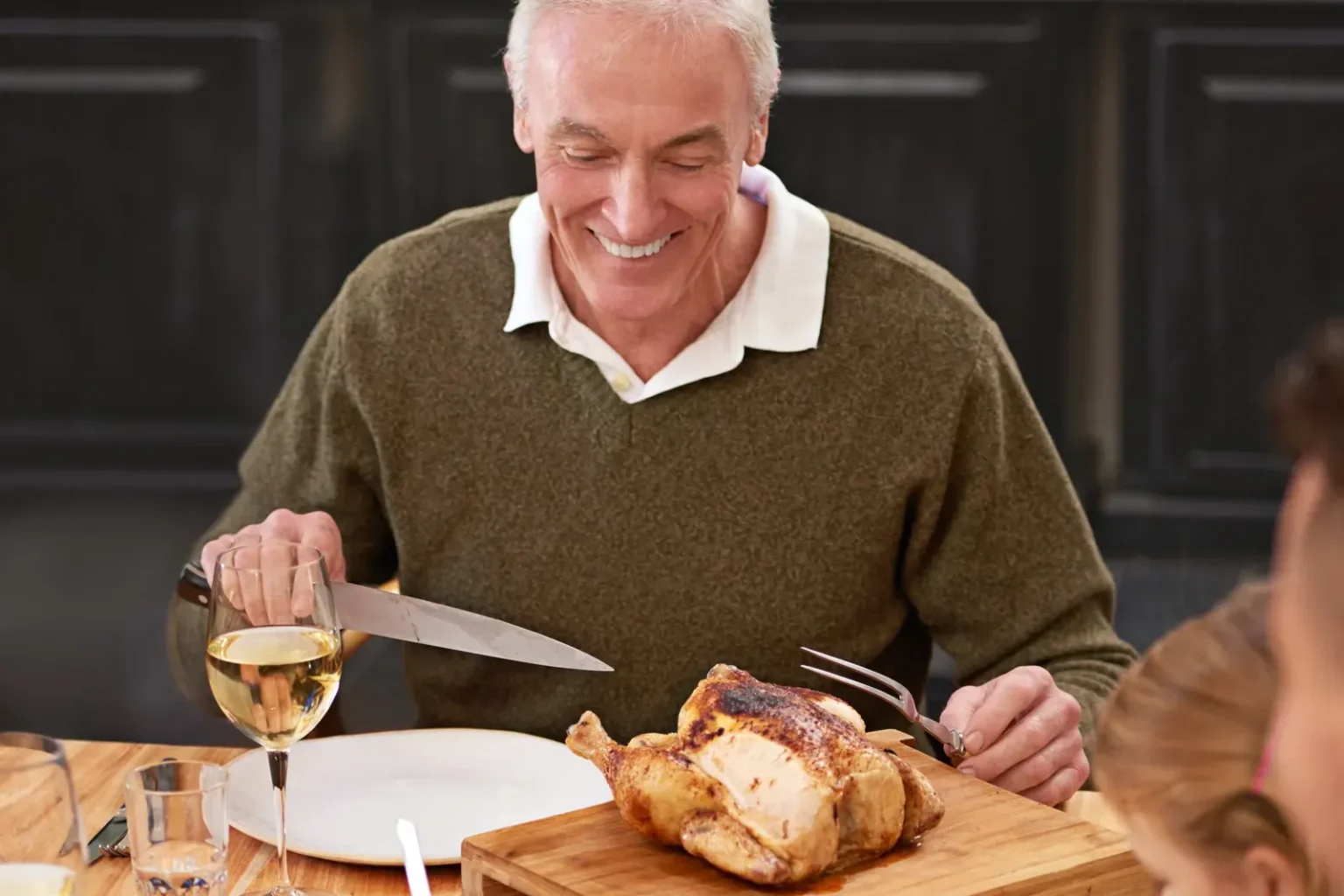
Imagine Farhan, a trainee at a members’ club in Kolkata. A family booked the private room for a milestone birthday. The father wanted to carve and serve his own table. The waiters brought the platters, stood back and let him do it. He spent the evening serving his mother, his children and his grandchildren. The staff barely spoke, and the family said it was the best dinner they had had in years.
Key Takeaways
- English service puts the host in charge: the waiter brings the platters and the host portions the food.
- It suits private dining, family occasions and formal dinners where the host wants a personal role.
- It needs less skill than French or Russian service, but staff must read the table well.
- Outlets should agree on one definition, because textbooks use the name for slightly different methods.
What Is English Service in F&B?
This style is a table-service style in which the host plays an active part in serving. The waiter carries platters of food to the table, shows them to the host for approval and places them on the table or on a sideboard. The host then portions food onto each guest’s plate, or portions it and lets the waiter serve it.
Study material from SCERT Kerala calls it host service for exactly this reason: the host plays an important role. That small shift in who serves is what separates it from the other styles.
Some textbooks use the name more loosely and link it with silver or butler service. Check what your outlet means before you train anyone.
How Does English Service Work Step by Step?
The sequence is short, and it gives the host the spotlight. Teach it in this order.
- Set the table: lay the plates, cutlery and glassware, and prepare a sideboard if the party is large.
- Prepare the platters: the kitchen loads each dish hot on a platter with serving tools.
- Bring the platters: carry them to the table and show each to the host.
- Hand over to the host: the host portions food onto guests’ plates, or portions it and passes the plates to the waiter.
- Serve the plates: the waiter places each plate in front of the guest.
- Offer second helpings: take the platter around again when the menu allows.
- Clear the course: remove plates and platters together before the next course.
New staff can build the floor presence this requires through our online skill development courses before they work a private dining room.
What Are the Key Characteristics of English Service?
This style has a few defining features that make it easy to spot on a floor.
- Host-led: the host decides how food is portioned and shared.
- Platter-based: dishes arrive on platters and stay on the table or sideboard.
- Relaxed formality: the pace is slower and more conversational than plated service.
- Light staffing: fewer waiters are needed than for Russian or French service.
- Visible food: guests see the whole dish before it is served.
These features explain where the style fits. It works when the group knows each other, or when a host wants a personal role in the meal.
Where Is English Service Used in India?
This style is used in private dining rooms, club dinners, family celebrations and small formal gatherings in hotels. It is less common in busy restaurants, where the host-led pace would slow tables.
Wedding functions sometimes use a version of it. A family elder serves the first round of dishes at a head table while waiters bring platters, and the rest of the room is plated. The mix of host and staff roles keeps the occasion personal without overloading the team.
What Are the Advantages and Limits of English Service?
The main advantage is warmth. Guests share food from platters, the host feels in control and the table stays social. The style also needs fewer skilled waiters than Russian or French service.
It has limits:
- Slower pace: the host serving each plate takes time.
- Host dependence: a shy or hesitant host can stall the table.
- Less control: portions vary because the host decides them.
- Space: the table needs room for platters.
Waiters can solve most of these by reading the table. If the host looks unsure, step in with a quiet offer to serve. The skill is knowing when to help and when to stay back. Our guide to the food and beverage department explains how roles are split between captains, waiters and hosts in a hotel.
How Does English Service Differ From Other Styles?
English service differs from the others in who portions the food. The host does it, rather than the kitchen or a skilled waiter.
| Style | Who portions the food | Skill need |
|---|---|---|
| American | Kitchen | Low |
| English | Host, or waiter on request | Medium |
| French | Waiter, beside the table | High |
| Russian | Waiter, from the platter | High |
Silver service and the host-led style are closely linked in many textbooks, and some use the names interchangeably. If your outlet uses both, define each one clearly in your service manual so trainees do not mix them up.
What Mistakes Do New Waiters Make in English Service?
New waiters often take over from the host too early. They reach for the platter before the host has had a chance to serve. That removes the point of the style and can feel pushy.
Other common slips:
- Cold platters: food sitting too long before it reaches the table.
- No serving tools: leaving the host to struggle with spoons and forks.
- Wrong order: serving the host before the guests of honour.
- Crowded table: too many platters, so guests cannot reach their plates.
Hold a short pre-service huddle. Agree who serves first, where platters go and how to signal the host. Five minutes of planning keeps the evening smooth.
How Do You Train Staff in English Service?
Train this style in three steps: platter handling, table reading and clearing. Start with an empty platter and practise carrying it, presenting it and setting it down without a sound. Add a role-play where one trainee plays a hesitant host and another learns to offer help gracefully.
Pair each trainee with a senior waiter for the first private dinner. Our guide to the types of restaurant service sets out the order in which to train each style, so supervisors can track what each trainee has mastered.
Want your private dining team ready for host-led service? Ask about Adevo’s F&B training for private dining teams built around your outlet.
Conclusion
English service puts the host at the centre of the meal. It is warm, social and lighter on staff than Russian or French service, which makes it a good fit for private dining and family occasions.
Define the style clearly for your team, teach platter handling and table reading, and let the host lead. Adevo’s F&B programmes help your staff build each of those skills.
Frequently Asked Questions: English Service
Q: What is English service in F&B?
A: English service is a formal style in which the waiter brings food on platters and the host portions it onto guests’ plates, or portions it and lets the waiter serve. It is also called host service.
Q: Why is English service called host service?
A: It is called host service because the host plays an active role in serving the food. The waiter brings the platters, and the host decides how the food is portioned and shared.
Q: What are the advantages of English service?
A: It is warm and social, needs fewer skilled staff than Russian or French service, and lets the host feel in control. The food is also visible to every guest before it is served.
Q: Is English service the same as silver service?
A: They are closely related, and many textbooks link them. English service stresses the host’s role. Silver service stresses the waiter’s technique with a spoon and fork. Define both in your service manual.
Q: Where is English service used in India?
A: It is used in private dining rooms, club dinners, family celebrations and small formal gatherings. Busy restaurants use plated service instead because host-led pace is slower.