What is buffet service? It is a style of food service where dishes are displayed on a table or counter and guests collect their own food, or ask a server behind the counter to plate it, instead of being served at the table. Hotels, banquet halls and restaurants across India use it for breakfasts, weddings and corporate events because one team can feed many guests quickly. This guide explains the types of buffet, a step-by-step setup and the staff standards that keep the line moving, with context from Adevo’s F&B training programmes for service teams.
Key Takeaways
- Buffet service lets guests serve themselves from a display, which suits large groups and time-limited meals.
- The main types are sit-down, standing, fork and finger buffets, and each needs a different layout and staffing plan.
- A good buffet depends on setup order, food labels, hygiene and staff who replenish before a dish runs out.
- Training runners, station attendants and the buffet host to clear standards matters more than the size of the spread.
What Is Buffet Service in a Hotel or Restaurant?
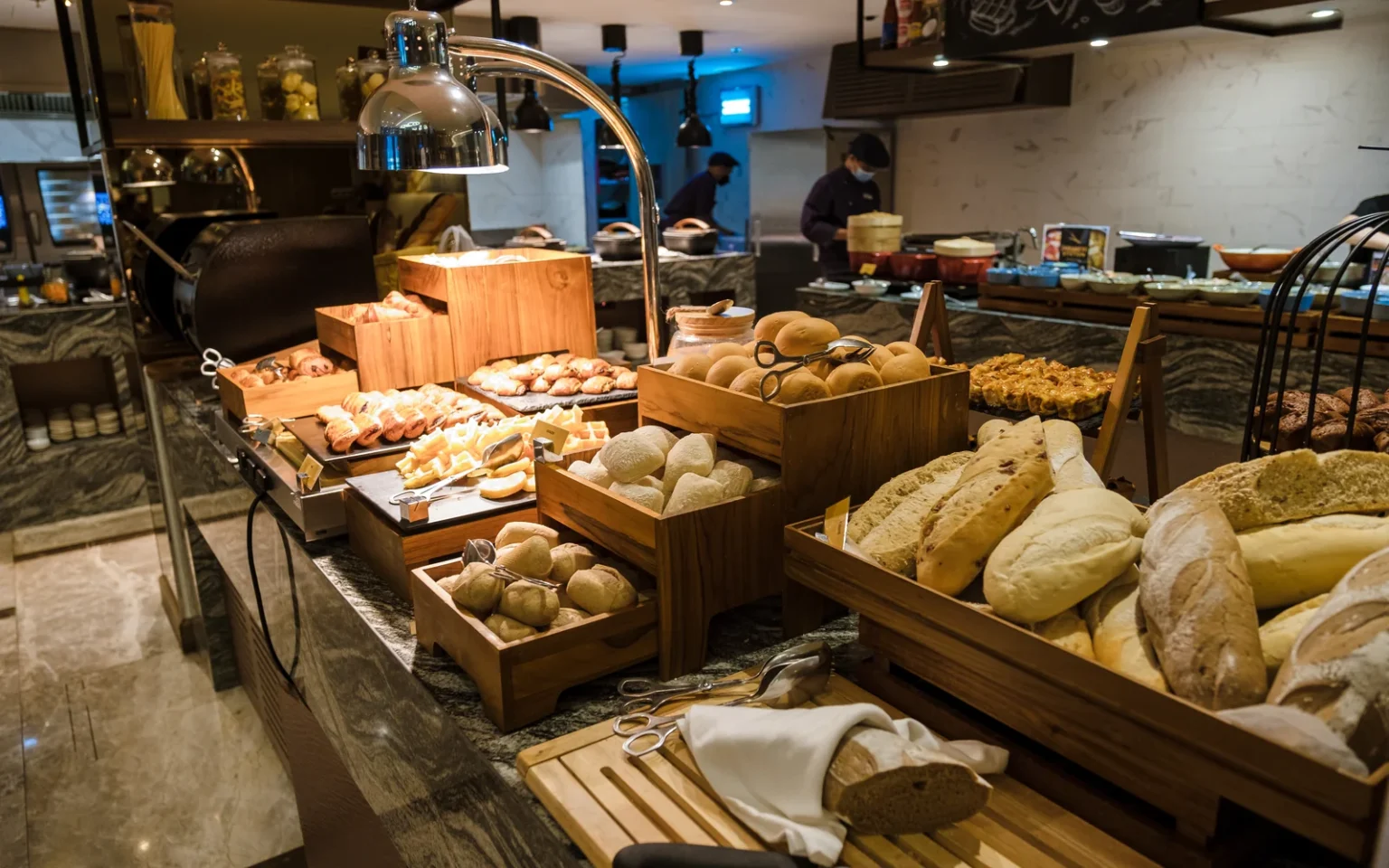
So, what is buffet service in daily practice? Guests pick up a plate from a stack, walk along a counter where food sits in large dishes and platters kept warm over burners, and either help themselves or ask the server behind the table to serve them. In a sit-down buffet, tables near the counter are laid with crockery and cutlery so that guests can eat and return for more. This description matches how a state university’s hospitality study material, published by CSJM University, sets out buffet service.
The idea looks simple, but the work behind it is not. Someone plans the menu, sets up the stations, keeps food hot and safe, clears plates and refills dishes. Knowing what is buffet service also means knowing that most of the effort happens before the first guest arrives.
What Are the Main Types of Buffet?
The types of buffet differ in seating, cutlery and how much staff help the guest. Anyone asking what is buffet service soon meets these types, because the format changes the whole plan. Here are the formats Indian hotels and caterers use most often:
- Sit-down buffet: guests sit at laid tables and visit the counter for food, as in a hotel breakfast or a wedding lunch.
- Standing buffet: guests eat on their feet with small plates, common at cocktail evenings and conferences.
- Fork buffet: food is easy to eat with one fork, so guests need no knife and can hold the plate in one hand.
- Finger buffet: bite-sized items are eaten by hand, usually with drinks at receptions.
- Live-station buffet: a chef cooks or finishes dishes at the counter, such as dosa, chaat or pasta.
- Assisted buffet: staff portion the food for guests, which controls waste and suits premium events.
Pick the type according to the event length, the guest count and how formal the occasion is. A two-hour corporate lunch for 200 asks for a different layout than a family brunch for 40.
Teams that run many events a year often pair floor practice with soft skills training courses in Bangalore style sessions on guest handling, tone and teamwork, because guests judge the smile at the counter as much as the food. Staff who learn to read a queue and speak clearly under pressure handle a rush with far less stress.
What Is Buffet Service Setup? Follow This Order
Setup decides whether the line moves smoothly. Follow this order every time:
- Confirm the menu and guest count: check dietary needs, including vegetarian, Jain and allergy requests.
- Plan the flow: place plates at the start, mains in the middle and desserts and cutlery at the end, with room for two lines if the crowd is large.
- Dress the tables: lay clean linen, skirting and risers so that dishes sit at different heights.
- Bring in the equipment: chafing dishes, burners, serving spoons, tongs, ladles and sneeze guards where used.
- Add labels: name every dish and mark vegetarian and non-vegetarian items clearly.
- Heat and fill: start the heat early, then fill dishes just before service so food stays fresh.
- Do a final walk-through: check spoons, plates, napkins, water and the path guests will take.
Ritika, a banquet captain in Jaipur, once saw the fuel run out under two chafing dishes halfway through a wedding lunch. The paneer went cold and guests began to queue at the one working station. After that, she added a fuel check to her setup list and put a runner in charge of burners, and the problem did not return.
Which Staff Roles Does Buffet Service Need?
A buffet looks self-service, but what is buffet service without its team? A row of cold dishes. It runs on people. Each person owns a task so that nothing is left to chance:
- Buffet host or captain: greets guests, directs the line and watches the whole counter.
- Station attendants: portion food, answer questions and keep their station tidy.
- Runners: bring fresh trays from the kitchen and take empty ones away.
- Table staff: clear used plates, refill water and reset tables in a sit-down buffet.
Small outlets may combine roles, but the tasks stay the same. Teams that practise these roles together handle a busy morning better, and many hotels pair floor practice with short sessions on guest handling, tone and teamwork.
What Staff Standards Apply During Buffet Service?
Standards turn a good setup into a good experience, and they are the next part of the answer to what is buffet service done well. Staff should follow these during every service:
- Hygiene first: wash hands often, use clean tongs and spoons for each dish, and never let serving spoons touch other food.
- Temperature control: keep hot food hot and cold food cold, and remove dishes that sit too long.
- Clear labels: show ingredients and allergens so that guests with allergies can choose safely.
- Replenish early: refill a dish when it is about a third full, not when it is empty.
- Clear quickly: take away used plates without crowding guests or disturbing those eating.
- Stay polite: greet guests, explain dishes simply and handle complaints calmly.
For how buffet sits next to other service styles, see the guide to types of food and beverage service, which explains how hotels and restaurants choose between them.
Imran, an F&B manager at a Mumbai hotel, noticed that the omelette station caused the longest breakfast queue. He moved it away from the main counter, added a second cook at peak hour and asked guests to place orders at the start of the line. The wait dropped, and fewer guests complained at checkout.
What Is Buffet Service Compared With Table Service?
Each style has strengths. To see what is buffet service next to table service, compare the main differences below:
| Factor | Buffet service | Table service |
|---|---|---|
| Staff needed | Fewer servers per guest | More servers per guest |
| Speed | Fast for large groups | Slower, more personal |
| Guest choice | High, guests pick portions | Set by the menu and order |
| Wastage risk | Higher without control | Lower with order-based cooking |
The choice often comes down to guest count, time and budget.
Which Mistakes Spoil a Buffet, and How Do You Avoid Them?
Most buffet complaints come from a short list of repeated errors. Check these before every event:
- Overfilling dishes: food loses heat and quality, so fill smaller pans and refill often.
- Missing labels: guests stop to ask staff, which slows the line.
- One long line: use two lines or a double-sided counter for large crowds.
- Understaffed clearing: used plates pile up on tables and guests lose patience.
- Ignoring allergy needs: keep separate spoons and a plan for vegetarian, Jain and allergy requests.
Want your buffet team trained to one standard? Talk to us about a short programme built around your own outlet and event style.
What Is Buffet Service at Banquets and Weddings?
At banquets and weddings, what is buffet service really about? Scale. Hundreds of guests arrive within minutes, and the buffet must be ready, labelled and replenished without gaps. Layout, counter spacing and staff positions matter more here than in a restaurant.
The banquet captain should walk the hall before guests enter, confirm each station and agree on who refills which dish. For guidance on laying out the hall around the buffet, see the guide to banquet setup types, which shows how seating styles affect traffic flow.
How Should You Train Staff in Buffet Service?
Start every new hire with one question: what is buffet service, and which task in it is mine? Then train buffet skills through short practice sessions, not long lectures. Walk the team through a mock setup, let them serve each other, and time a refill drill. Review mistakes the same day while they are fresh.
Give each person a one-page card with their role, tasks and the three standards that matter most for their station. Rotate roles so that runners, attendants and hosts all understand the full buffet. New staff should shadow a senior for at least one full service before they work alone. Anyone who can explain what is buffet service and run one station well is ready for the next step.
Conclusion
What is buffet service? It is a fast, flexible way to feed many guests, and it works only when setup, labels, hygiene and replenishment are planned in advance. Choose the buffet type that fits the event, assign clear roles, and train the team to refill early and clear quickly. Good buffet service looks effortless to guests because the staff did the hard work before they arrived.
Ready to build a stronger buffet and banquet team? Ask Adevo about F&B service training for your outlet built around your menu and your guests.
Frequently Asked Questions: What Is Buffet Service
Q: What is buffet service in simple words?
A: Buffet service is a way of serving food where dishes are displayed on a counter and guests help themselves or ask a server to plate for them. It suits large groups and time-limited meals.
Q: What are the types of buffet?
A: The common types are sit-down, standing, fork, finger, live-station and assisted buffets. The right one depends on the guest count, the event length and how formal the occasion is.
Q: What are the advantages of buffet service?
A: It serves many guests quickly with fewer staff and gives guests choice and control over portions. It also lets hosts show a wide menu. The main risks are food waste and slow lines if setup is poor.
Q: What is buffet service at a wedding, and how is it different?
A: What is buffet service at a wedding? It is the same display-and-collect style, scaled up for hundreds of guests at once. It needs more stations, a clear counter layout, extra runners and a captain who tracks every dish.
Q: What staff does a buffet need?
A: Most buffets need a host or captain, station attendants, runners and table staff. Small outlets may combine roles, but each task still needs a named owner.
Q: How can a restaurant keep buffet food safe?
A: Keep hot food hot and cold food cold, use clean serving spoons for each dish and remove dishes that have sat too long. Label ingredients and allergens, and train staff to wash hands often.