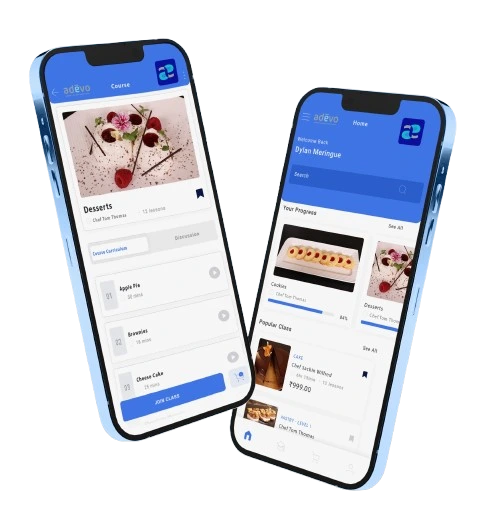
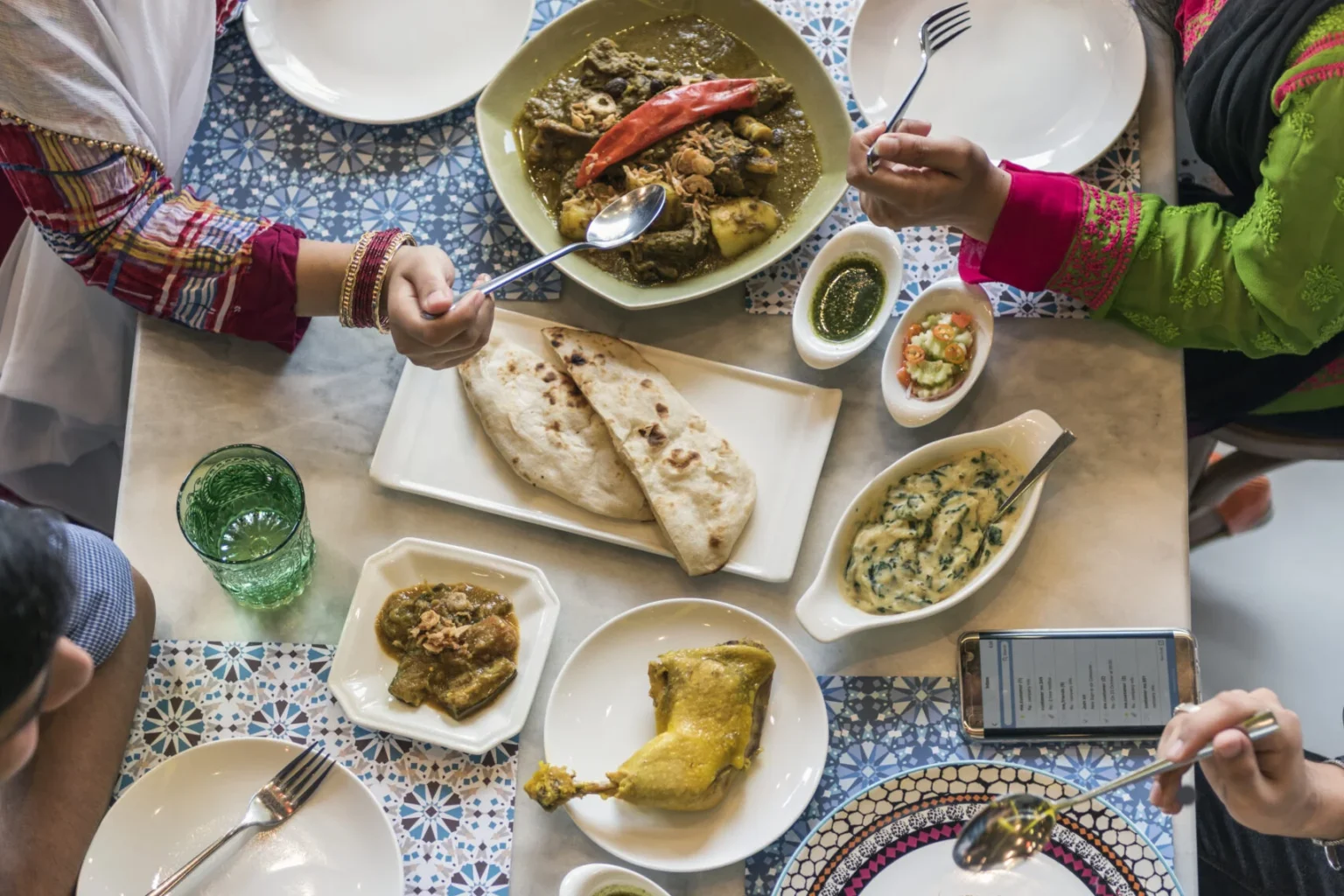
The restaurant chains in India are the single largest source of structured, branded F&B employment in the country. More people build their hospitality careers inside a chain restaurant than in a standalone outlet, a hotel, or a catering company — because chains have systems, promotion tracks, and training programs that standalone operators rarely do. What they look for, however, is specific. The entry bar is lower than a five-star hotel, but the pace is higher, and the skills that separate a six-month employee from a three-year one are not accidental. Understanding types of F&B service practiced across different formats — from QSR counters to casual dining tables — is the first thing that differentiates candidates at the interview stage. Adevo’s food and beverage training courses help F&B teams build these skills on the job.
Consider Pooja, 23, from Hyderabad. She had applied to three standalone restaurants without a callback. After completing a focused service training program and reapplying to the structured HR intake at a major casual dining chain in the city, she received two interview calls within two weeks. The difference was not her resume. It was that she now understood the service framework those chains were screening for.
Key Takeaways
– Restaurant chains in India cover four distinct formats: QSR, casual dining, polished casual, and fine dining chains — and each has a different career trajectory.
– The largest chains (Jubilant FoodWorks, Hardcastle Restaurants, Devyani International) run thousands of outlets and promote from within consistently.
– Indian chains now employ at a scale comparable to international brands, and domestic options like Barbeque Nation, Wow! Momo, and Speciality Restaurants are genuine career platforms.
– The fastest route to a Supervisor role at a restaurant chain in India is structured training, a food safety credential, and a verified service internship.
Why Restaurant Chains in India Are the Most Accessible F&B Career Entry
India’s tourism and hospitality sector supports more than 46.5 million jobs nationally, and runs largely on the food service industry, and a significant share of that employment is inside branded restaurant chains. The reason restaurant chains in India have become the default entry point for F&B professionals is simple: they have the hiring volumes, the training infrastructure, and the promotion clarity that makes a career trajectory legible.
Taking up hospitality management courses early in your career gives you the service vocabulary and food safety knowledge that chains use to screen candidates. Most chain restaurants filter applicants at the first HR round based on whether the candidate understands basic service protocols, portion control principles, and allergen awareness. These are teachable in structured training but rarely absorbed at an unbranded outlet.
Restaurant chains in India also hire across tiers simultaneously. Jubilant FoodWorks (which operates Domino’s and Popeyes in India) is managing openings from entry-level Order Taker to Area Manager at any given time. That range means someone with one year of experience can find a relevant opening without competing against candidates with five.
Consider Suresh, 26, from Coimbatore. He joined Domino’s as a delivery associate straight after school. Within three years he had moved to in-store Shift Supervisor, completed Jubilant’s internal certification, and was fielding a lateral offer from a competing casual dining chain at a Senior Captain level. He never left the restaurant chains in India employment ecosystem; he simply moved up within it.
International QSR and Casual Dining Chains in India
The international restaurant chains in India offer something no domestic brand currently matches: a globally standardised operating manual. The career implication is that an F&B professional trained in a McDonald’s or KFC India outlet has operational knowledge that transfers to that brand’s properties in other countries.
McDonald’s India operates through two separate entities: Hardcastle Restaurants (West and South India) and Connaught Plaza Restaurants (North and East). This split matters because the hiring and training structures are managed independently. The brand runs its own crew training modules that cover food safety, customer interaction, and station management with a consistency that rivals hotel training programs.
Domino’s India, operated entirely by Jubilant FoodWorks, is the largest chain restaurant employer in the country by outlet count. The scale here is significant — Jubilant manages thousands of outlets and runs a structured team leader and area coach progression track that has produced many of the sector’s current mid-level managers.
KFC India (operated by Devyani International and Sapphire Foods) sits in the same QSR tier with a larger casual dining aspiration. Their service training modules are more elaborate than Domino’s, reflecting the table-service hybrid model of most KFC India outlets.
Subway India is notable for one specific reason: it is among the few international restaurant chains in India where an F&B professional runs a full micro-outlet operation — inventory, labour, service, and product quality — at a very small team size. For someone who wants general management experience early, it teaches breadth that a high-volume QSR does not.
Pizza Hut India and other casual dining chains (TGI Fridays, Johnny Rockets) operate a more traditional table-service model, which means the F&B skills required — upselling, beverage pairing, tableside etiquette — are more hospitality-adjacent and transfer more naturally into hotels and standalone restaurants.
India’s Home-Grown Restaurant Chains
The domestic restaurant chains in India have expanded dramatically over the past decade and now offer career tracks that match the depth of international brands in several respects.
Haldiram’s is the most widely recognised Indian food brand in the country, with operations spanning quick service, sitdown restaurants, and packaged retail. The career environment here is family-business in character but large enough to offer structured roles. For professionals who want to stay in the Indian food space specifically, Haldiram’s is one of the few restaurant chains in India operating at both the manufacturing and service layers simultaneously.
Barbeque Nation stands out among the home-grown chains for one practical reason: their live grill format requires F&B staff to manage both kitchen-adjacent cooking activity and full table service simultaneously. Barbeque Nation is also one of the most aggressively expanding casual dining groups in the country, which means consistent new property openings and a corresponding demand for trained F&B staff.
Wow! Momo began in Kolkata and is now one of the fastest-growing quick service brands in India. What makes it notable from a career perspective is that its growth is relatively recent, which means the management layer is thin and promotions happen faster than at more established chains.
Speciality Restaurants (the parent of Mainland China, Oh! Calcutta, and Asia Kitchen) is the strongest option among restaurant chains in India for professionals aiming at the fine dining or regional cuisine track. The training here is more formal than a typical casual dining chain and the service standards are closer to a five-star hotel than a Barbeque Nation.
Café Coffee Day (CCD) built India’s first national café culture and still operates one of the largest outlet networks in the country. For F&B professionals interested in the café and beverage space specifically, CCD offers both the scale of a QSR and the product depth of a specialty coffee concept.
Consider Ananya, 29, from Pune. She spent two years managing a standalone café before joining CCD as a Team Lead. Her observation, shared in a hospitality forum, was precise: at the standalone outlet, she ran everything and learned nothing formally. At CCD she had a training module for every process, a clear promotion calendar, and a peer cohort she could benchmark against. Restaurant chains in India, she noted, were not just employers. They were finishing schools for professionals who had not had structured hospitality training the first time.
What Restaurant Chains in India Actually Hire For
The role structure across restaurant chains in India follows a consistent ladder regardless of brand. Entry is at Order Taker, Counter Staff, or Waiter depending on the format. From there, the progression runs through Captain, Shift Supervisor, Restaurant Manager, Area Manager, and eventually Regional F&B Director.
The skills that separate promoted staff from plateau staff:
– Consistency under volume: Restaurant chains in India run hundreds of covers in a single shift. The staff who get promoted are those who maintain service standards at peak times, not only when the outlet is quiet.
– Inventory and wastage basics: Even at the Supervisor level, most chains expect staff to understand basic food cost management. Someone who can articulate how yield affects margins gets noticed.
– Customer complaint handling: Every chain has a formal complaint resolution script. Staff who follow it precisely and de-escalate without manager involvement are the most promotable.
– Training others: The quickest signal to a Restaurant Manager that a Captain is ready for Supervisor is whether they are already informally coaching new joiners.
Most restaurant chains in India run internal certification programs. Jubilant’s Team Leader program, McDonald’s internal crew certification, and Barbeque Nation’s in-house F&B training modules all lead to formal recognition that appears on the employee’s record and directly influences promotion timing.
How to Build a Chain-Ready F&B Career in India
The entry qualification bar for most restaurant chains in India is a 10+2 minimum, a basic food safety credential, and demonstrable knowledge of service protocols. The differentiation happens at the next stage.
Chains screen entry-level candidates in under ten minutes. In that window, they are checking for three things: whether the candidate understands the basics of the service format (QSR vs. table service vs. café), whether they have a food safety certification (FOSTAC, FoSTaC, or equivalent), and whether their internship or previous work was in a branded environment. An internship at a hotel F&B outlet or a chain restaurant carries more weight than two years at a standalone local café.
For mid-level roles (Shift Supervisor and above), restaurant chains in India additionally screen for basic numeracy (daily sales reconciliation, stock variance reports) and team management experience. A candidate who can describe how they handled a peak shift, a complaint, or a new joiner training session will move through the interview faster than one who cannot.
Adevo’s leadership and management training programs are built around exactly this transition. The critical gap at the Supervisor-to-Manager stage is not technical F&B skill. It is structured thinking, communication under pressure, and the ability to translate operational data into team behaviour.
Want your restaurant team trained to chain-level standards? Ask about Adevo’s F&B training built around your team and your guests.
Conclusion
The restaurant chains in India are not a stepping stone on the way to a hotel career or a solo business. For most F&B professionals in India, they are the career itself, a long-form platform with brand standards, promotion tracks, and peer cohorts that standalone hospitality cannot replicate. The brands that are worth targeting are the ones that invest in structured training: Domino’s through Jubilant, McDonald’s through Hardcastle, Barbeque Nation’s own programs, and Speciality Restaurants in the fine dining category. The restaurant chains in India hire at every level, in every city, through every season. The question is whether you walk in with the credential and the service knowledge to get through the first HR filter. Explore Adevo’s leadership and management training programs to build exactly that foundation.
FAQ
Which restaurant chains in India hire the most F&B staff?
Jubilant FoodWorks (Domino’s, Popeyes), Hardcastle Restaurants (McDonald’s West and South India), and Devyani International (KFC, Pizza Hut) are consistently the largest volume employers among restaurant chains in India. Among domestic brands, Barbeque Nation and Haldiram’s have the broadest geographic coverage.
What qualifications do restaurant chains in India require for entry-level roles?
Most restaurant chains in India require 10+2 minimum education, a basic food safety certification (FOSTAC or equivalent), and some prior service experience or a relevant internship. A hospitality diploma from a recognised IHM-affiliated institute significantly improves shortlisting odds.
Do restaurant chains in India promote internally or always hire from outside?
Internal promotion is the norm at most large restaurant chains in India. Jubilant FoodWorks, McDonald’s India, and Barbeque Nation all have documented internal promotion tracks from crew to Shift Supervisor to Manager. Entry-level staff with consistent performance and a relevant certification are typically the first candidates considered for Supervisor openings.
How is the career path different at a QSR chain versus a casual dining chain in India?
QSR chains (Domino’s, McDonald’s, KFC) promote faster because of higher staff turnover and volume-driven needs. Casual dining chains (Barbeque Nation, Speciality Restaurants, Farzi Café) offer broader skill development — tableside service, beverage knowledge, upselling — which transfers more naturally to hotel F&B roles. Both are legitimate tracks, but restaurant chains in India that offer table service build a more versatile F&B professional.
Are international restaurant chains in India better employers than domestic chains?
Neither is strictly better. International restaurant chains in India (Marriott-branded restaurants are a separate category) offer globally standardised training and cross-border transfer potential. Indian chains like Speciality Restaurants and Barbeque Nation offer deeper immersion in regional cuisine formats and domestic hospitality norms. The right choice depends on whether you are aiming at an international career or a domestic one.
Which cities have the most openings at restaurant chains in India?
Mumbai, Delhi-NCR, Bengaluru, Hyderabad, and Pune have the densest concentration of chain restaurant outlets and therefore the most consistent hiring activity. Tier 2 cities (Jaipur, Indore, Nagpur, Kochi) are where growth is fastest right now, which often means faster promotion timelines at restaurant chains in India that are expanding into new markets.