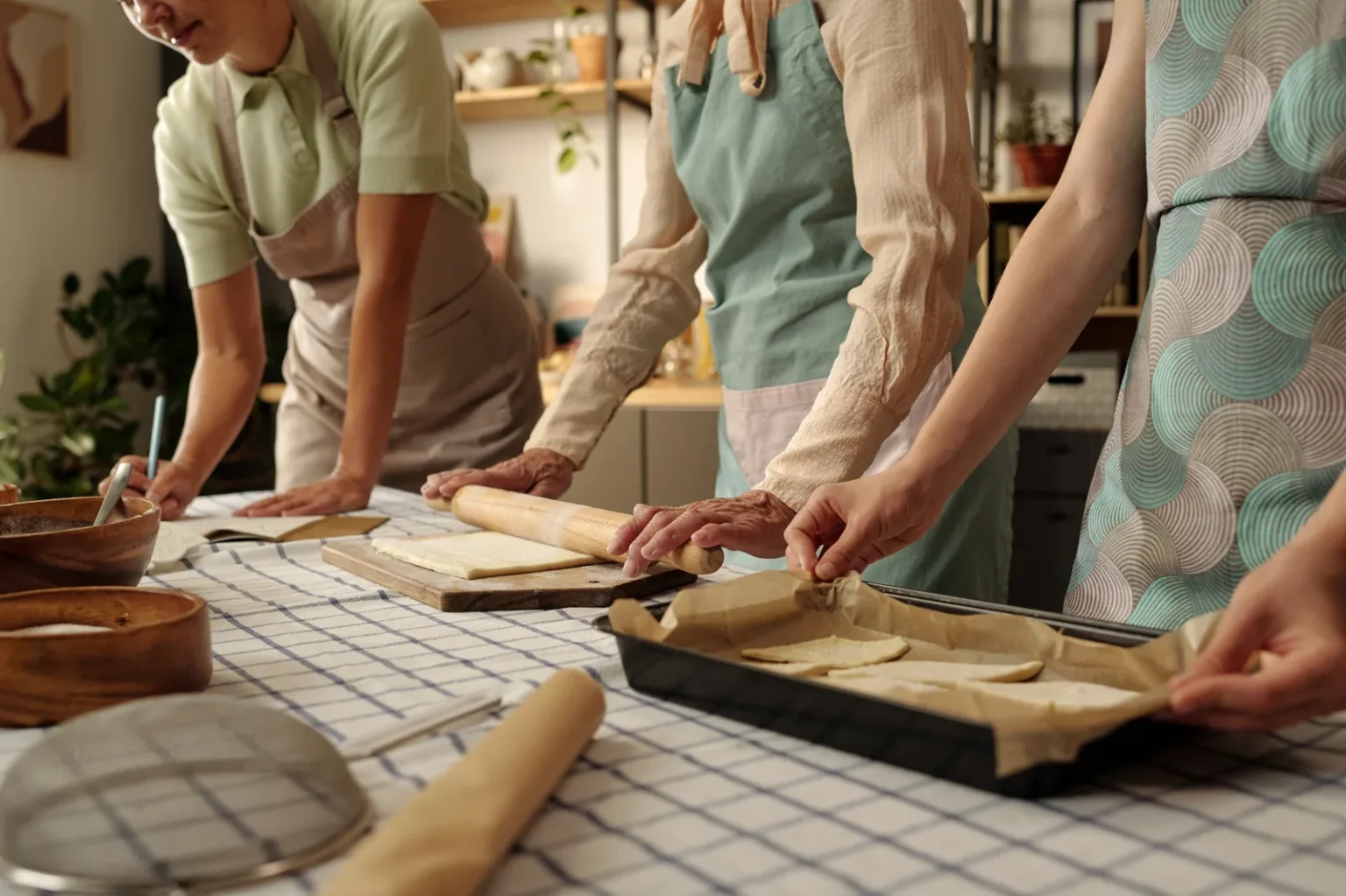
Weekend baking courses Bangalore residents can fit around a full-time job solve a real problem. You don’t need to quit your job to learn to bake seriously. Adevo’s hospitality management courses are there for when you’re ready to go further.
Key Takeaways
– Weekend workshops build real, focused skill in one product category, typically over 4 to 8 sessions.
– Fees range from around ₹4,000 for a single masterclass to over ₹1,75,000 for an extended, certified multi-weekend programme.
– A weekend format builds interest and foundational skill, but professional hiring generally still requires a certificate or diploma.
What Can You Realistically Learn in a Weekend Workshop?
You can build solid skill in one product category per workshop series. Think bread, layer cakes, or basic pastry. Weekend formats run over several sessions spread across several weekends. You get real hands-on hours without the full-time commitment of a diploma. What you won’t get is breadth. A diploma covers multiple product categories. It also builds the volume-production speed that commercial kitchens expect from paid staff.
What Types of Weekend Baking Courses Are Available in Bangalore?
Bread-Focused
Bread-focused workshops cover fermentation basics, shaping, and oven technique across a handful of core bread styles. These suit people who want practical, repeatable skill rather than broad exposure. They’re often the cheapest entry point too. Bread needs less specialised equipment than pastry or cake decoration.
Pastry & Cake-Focused
Cake and pastry-focused workshops cover sponge technique, buttercream and ganache work, and basic decoration. These often run across 8 or more weekend sessions for deeper skill-building. Two types of people usually sign up: hobbyists building a home-cake side business, and career-curious beginners testing interest before committing to a full diploma.
How Much Do Weekend Baking Courses Bangalore Programmes Cost?
Fees for weekend baking courses Bangalore programmes offer range widely. It depends on session count and hands-on hours. A single masterclass starts around ₹4,000. An extended multi-week programme with heavy practical hours can run over ₹1,75,000. Shorter, single-session workshops sit at the low end. Multi-weekend programmes with certification sit at the high end.
| Workshop Type | Typical Duration | Typical Cost |
|---|---|---|
| Single masterclass | One session | ₹4,000 |
| Multi-weekend series | 4–8 weekends | ₹35,000–₹70,000 |
| Extended weekend programme | 8+ weekends | Up to ₹1,75,000 |
Specialty and Seasonal Workshops
Bangalore also runs a smaller circuit of specialty workshops timed around festivals and seasons. Think Christmas plum cake, Diwali dry-fruit sweets with a baking twist, or artisan sourdough. These are usually one-off or two-session formats, priced closer to a masterclass than a multi-weekend series. They suit people who want one specific, occasion-driven skill, not an ongoing product category.
What Should You Ask Before Booking a Weekend Workshop?
Confirm the batch size before paying. A workshop capped at 8 to 10 participants gives you far more individual oven and mixer time than one running 20 or more people. Also ask whether ingredients and take-home product are included in the fee, or billed separately. This varies a lot between studios and can change the real cost by a noticeable margin.
Finally, check the instructor’s background. Is this a working or formerly working bakery professional, or a hobbyist teaching part-time? That answer shapes how much troubleshooting depth you get when a technique doesn’t work the first time. Recent reviews that mention batch size and instructor responsiveness, not just star ratings, usually surface this faster than asking the studio directly.
Weekend Baking Courses Bangalore vs Full-Time Course: When Should You Upgrade?
If a weekend workshop leaves you wanting to go professional, the next step is a structured certification mapped to the entry-level competencies THSC defines nationally. The Bakery Products Maker course under Paschim Banga Society for Skill Development runs 480 total hours, well beyond what any weekend series covers. Weekend workshops are a genuine skill-building step. They’re not a shortcut around the practical hours a real qualification requires. Our pillar guide on the pastry chef career path in India lays out the full picture.
Sources
- Bakery Products Maker course, Paschim Banga Society for Skill Development, retrieved 2026-09-07
- Pastry/Bakery Commis Qualification Pack, THSC, retrieved 2026-09-07
Conclusion
Weekend baking courses Bangalore residents can access are a legitimate way to build real skill without quitting your job, as long as you pick a format matched to your actual goal. If a workshop turns into a genuine career interest, Adevo’s Leadership & Management training covers what it takes to build a team around a new specialisation like bakery.
Frequently Asked Questions: Weekend Baking Workshops
Q: How many weekends does it take to learn baking properly?
A: Most workshop series run 4 to 8 weekends for meaningful skill in one product category, such as bread or cakes. Deeper, more advanced programmes may extend beyond 8 sessions.
Q: Are weekend baking courses Bangalore offers enough to start a bakery career?
A: Not on their own. They build real foundational skill, but professional roles generally require a certificate or diploma with industrial training for full hiring recognition.
Q: How much do weekend baking workshops cost in Bangalore?
A: Costs range from around ₹4,000 for a single masterclass to over ₹1,75,000 for an extended, multi-weekend programme with high practical hours. Mid-range multi-weekend series typically cost ₹35,000 to ₹70,000.
Q: What’s the difference between a weekend workshop and a full diploma?
A: A weekend workshop covers one product category over a handful of sessions, while a full diploma covers the complete bakery curriculum with industrial training over 6 months to 1.5 years. Workshops build interest and basic skill; diplomas build employable competency.
Q: What batch size should a good weekend baking workshop have?
A: Look for batches capped around 8 to 10 participants, since this gives meaningfully more individual equipment time than larger groups of 20 or more. A smaller batch size is usually a better predictor of hands-on learning quality than the studio’s marketing or price point.