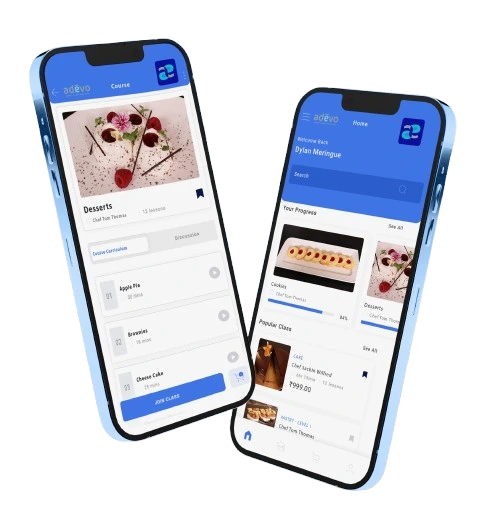

An LMS hospitality training platform swaps out scattered classroom sessions for one digital system that any hotel team can reach on-shift, and it tracks who did what, and when.
India’s hospitality sector will need 3 million additional trained workers by 2028, according to THSC research, and behind that gap sits a problem most hotel and restaurant owners know first-hand: how do you get steady, compliant service from a team that speaks five languages, works rotating shifts, and quits faster than the kitchen roster turns over, and a learning system built for hospitality is the real answer here, not a repurposed office tool. If you already run soft skills training courses in Bangalore and wonder whether an LMS fits your operation, here is the straightforward, honest version of what you need to know.
Key Takeaways – A hospitality LMS only works if it is built for India’s realities: many languages, shift-based schedules, FSSAI rules, and phone-first access – Generic corporate LMS platforms assume staff have work email, a fixed desk, and fluent English; most Indian frontline staff have none of these – The right LMS cuts FSSAI audit risk later, shrinks onboarding span for seasonal staff, and gives multi-property owners one clear view of roster readiness – A small pilot in one department beats a chain-wide launch every time
What Makes an LMS Hospitality Training Platform Different From a Generic LMS?
An LMS, short for learning management system, is a digital platform that gathers training content in one place, tracks who finished what, and manages proof of compliance for hotel and restaurant staff. In India, it matters for one plain reason: manual training breaks down once you scale past a few dozen staff.
A 200-room site with front desk, housekeeping, F&B, kitchen, and maintenance teams cannot run steady training off printed manuals and WhatsApp forwards, and THSC research points to 3 million more trained hospitality workers needed by 2028, while formal training today barely scratches the surface, and the properties that close that gap fastest in their own teams are the ones that build a real training system, rather than treating each new hire’s onboarding as a one-off event.
An LMS is that setup. It is not e-learning software, and it is not a nice add-on. It is the backbone that makes training repeat, track, and hold up under an audit, whether you manage one property or twenty.
Why Won’t a Generic Corporate LMS Work for Your Hotel Team?
A hospitality LMS differs from an office LMS on four fronts: staff work shifts and have no fixed desk, staff have no company email, teams speak many languages (Hindi, Tamil, Telugu, Kannada), and FSSAI tracking is mandatory. Generic platforms assume office staff with a fixed desk and fluent English, and most Indian frontline resort workers have neither.
| Feature | Generic Corporate LMS | India Hospitality LMS |
|---|---|---|
| Device access | Desktop / laptop | Smartphone-first, offline capable |
| Language support | English only | Native-language content (Hindi, Tamil, Telugu, Kannada) |
| Compliance tracking | HR certifications | FSSAI + THSC audit trail |
| Login method | Company email | Phone number / OTP |
| Shift scheduling | Fixed working day | Role and shift mapped |
Here is what each gap means on the ground.
Phone-first with offline access
Staff train on their phone during shift changes, not at a desk. The setup must load fast on a mid-range Android phone, and it must work with no internet in basements, banquet halls, and back-of-house corridors. Weak signal is real in most Indian hotels.
Content in many languages, not just a translated menu
A Bangalore resort team may hold crew who speak Kannada, Tamil, Telugu, Hindi, and English, all on one floor. A system that only speaks English quietly shuts out most of your frontline crew. Real native-language lessons differ a great deal from just translating the app’s menu screen.
FSSAI and THSC compliance logging
F&B and kitchen hands need food safety training under FSSAI rules, with a clean trail an inspector can check, and your LMS should log who passed and when, flag renewals coming due, and spit out a report your FSSAI inspector can review on the spot. This is a legal must, not a nice extra.
Role-based learning paths
A front desk clerk does not require kitchen hygiene lessons. A head chef does not require front-desk software drills. Paths designed by role keep completion rates high, since workers are not stuck sitting through content that has nothing to do with their job.
Manager dashboards for multi-property owners
Run more than one property? You need one screen that shows training status across every site. A dashboard that flags weak spots by department saves you a string of calls to each GM every time a deadline nears.
For housekeeping squads, an LMS works best next to a structured Leadership and Management Skills training that spells out what gets taught through the platform.
How Do You Evaluate an LMS Before You Sign Anything?
Answer these three questions before you speak to any vendor, since the answers rule out weak platforms before you waste an afternoon on demos.
- How will staff actually reach the instruction? Phone-only teams with patchy signal want offline mode as a baseline, not a bonus feature. Test it on a genuine budget phone under genuine 4G at your property before you sign anything.
- Which compliance requirements apply to your operation? FSSAI demands food safety records for F&B and kitchen employees. Your platform must map lessons to the right norms and spit out auditor-ready records, not just a bare completion percentage.
- What coaching content do you already own? The most common LMS failure has nothing to do with the software itself. Hotels sign the contract, then find out they have no real content to load onto it. Check your material stock alongside the tech, not after you buy.
How Do You Roll Out an LMS Without Disrupting Operations?
- Phase 1, Pilot (Weeks 1-4): Pick one department, housekeeping or F&B works well, and one property. Run it with 8-12 employees on real material. Track completion, gather feedback, and flag poor signal spots and login snags before you scale anything further.
- Phase 2, Content Build (Weeks 4-10, alongside the pilot): Build or buy content for the rest of your departments while the pilot runs. Content takes longer than most owners guess, so do not wait on the pilot to finish before you start this.
- Phase 3, Full Rollout (Weeks 10-16): Roll out one unit at a time, never the whole property at once, and each division head owns their own team’s numbers. Wire in FSSAI modules here, and by the time rollout wraps, every food-service and kitchen worker should hold a live digital certificate.
- Ongoing: Run quarterly checks on completion rates, refresh info whenever an SOP changes, and review the manager dashboard to catch a slipping department before it turns into a service or compliance mess.
What Is Not Having an LMS Actually Costing Your Hotel?
- Time lost to retraining. Every new hire at a high-turnover property repeats the same induction, since nothing sits on record anywhere. A trained room attendant quits, a replacement shows up, and your senior housekeeper spends hours walking through it all again. An LMS turns onboarding self-guided, so senior employees stay on the floor where they belong.
- FSSAI inspection risk. A training record that lives nowhere might as well not exist in an inspector’s eyes. An LMS spits out a dated, named record on its own, one that shields you in an audit or simply is not there at all.
- Uneven service across properties. With no system, training quality hinges on whichever trainer happens to operate it, not on a fixed process. A guest who gets sharp service at your flagship and poor service at your second site posts that gap straight to Google. A real system is what makes the standard follow the business, not the person running it that day.
Conclusion
An LMS hospitality training platform is real backbone for Indian hotels, not a tech experiment on the side. The right tool runs phone-first, speaks many languages, tracks FSSAI, and fits how Indian hotel and restaurant teams actually work day to day. It should feel simple and sound out of the gate, not clunky. Skip the myths and shortcuts vendors like to pitch, and build a routine your own team can actually stick to. Ready to put that solid, proper, trusted backbone in place? Book a free demo of Adevo’s hospitality training LMS and we will walk you through how it fits your business.
Frequently Asked Questions: LMS Hospitality Training
Q: What is an LMS for hospitality training? A: An LMS, or learning management system, for hospitality is a digital platform that delivers, tracks, and manages training for hotel and restaurant staff, and it swaps out printed manuals and one-off sessions for a single system where info sits by role, completion tracks itself, and compliance records stay audit-ready.
Q: Can an LMS handle FSSAI compliance training for Indian restaurants and hotels? A: Yes, so long as the LMS is set up for Indian rules. A hospitality LMS should let you map FSSAI-mandated food safety lessons to F&B and kitchen roles, log completion dates, flag expiry before renewal falls due, and print reports an FSSAI inspector can check on-site. Generic platforms without this mapping cannot promise audit readiness.
Q: How long does it take to implement a hospitality LMS? A: A realistic timeline for a phased rollout runs 12 to 16 weeks from picking a platform to full use across your first property. Pilot testing in one department takes 4 weeks, while details build and further rollout run side by side. A multi-property rollout stretches the timeline but keeps the same phased shape.
Q: What is the difference between a generic LMS and one designed for hospitality? A: A generic corporate LMS assumes desk-bound staff with company email and fluent English. A hospitality LMS is built for shift-based, multilingual staff on their own phones. The gap shows up in offline access, lessons in many languages, paths built by role (front desk, housekeeping, F&B, kitchen), and built-in logging for rules like FSSAI.
Q: Does our team need internet access to use a hospitality LMS? A: Not for taking lessons, so long as the LMS runs offline mode. Staff pull modules down over WiFi during downtime, then finish them mid-shift. Data syncs once signal returns. Back-of-house spots in most Indian properties carry weak phone signal, so offline mode is not optional, it is core.
Q: How do we know which LMS features we actually need versus what a vendor is upselling? A: Ask how staff will reach the training, which rules apply to your operation, and what details you already hold. Any feature outside those three is likely optional. Offline access, many-language material, role-based paths, and FSSAI tracking are the non-negotiables for Indian hospitality.
An LMS hospitality training platform gives venue and restaurant teams one place for structured courses, compliance tracking, and performance data, swapping ad-hoc classroom sessions for one repeatable digital workflow that scales with the property.