
India needs soft skills trainers. Right now, there are not enough of them. Hotels, restaurants, and hospitality chains across the country are hiring trainers who can improve their team’s communication, emotional intelligence, and guest handling. Most people who want this career have no clear path to follow, no sense of the pay, and no sense of what the day-to-day work is really like. If you have hospitality experience and a knack for teaching, structured soft skills training courses in Bangalore and across India can turn your floor experience into a training career. Pause first, though, before you spend on certificates or hand in your notice.
This guide covers how to become a soft skills trainer in India, step by step, from industry professional to in-demand specialist in the hospitality sector.
| Path | Stability | Earning Potential | Variety |
|---|---|---|---|
| In-house corporate trainer | High (fixed salary) | Rs. 4-15 lakh/year | Low (one brand) |
| Freelance/independent trainer | Low (first 2 years) | Rs. 15K-50K/session | High (multiple clients) |
| Training academy instructor | Medium | Rs. 6-12 lakh/year | Medium (multiple properties) |
Key Takeaways – Demand outpaces supply: the Ministry of Tourism signed MoUs between 8 leading hospitality groups and its Central Institutes of Hotel Management to bridge the trainer gap (Ministry of Tourism, 2024) – To become a soft skills trainer: build 3-5 years of floor experience, train informally, then certify through AHLEI or an NSDC Train-the-Trainer programme – Entry-level trainers earn Rs. 4-7 lakh a year; experienced and freelance trainers reach Rs. 8-25 lakh
What Does a Soft Skills Trainer Actually Do?
- Assesses skill gaps across departments through observation and guest feedback analysis
- Designs training curricula tailored to hospitality-specific communication and service applications
- Runs interactive workshops, role-play scenarios, live service observation, complaint-handling practice
- Measures outcomes through guest satisfaction scores and post-training performance data
- Works with staff who speak multiple regional languages and come from varied educational backgrounds
- Makes soft skills practical and repeatable on the floor, not theoretical in a classroom
Understanding the specific soft skills for hospitality staff that hotels most often overlook helps trainers design curricula that target real gaps rather than generic modules.
What Qualifications Do You Need to Become a Soft Skills Trainer?
There is no single required degree for this job. Not one. But the trainers who get hired share one thing in common.
Industry Experience Matters More Than Academic Credentials
Hotels want trainers who have worked the floor. Real shifts. Real guests. A trainer who spent five years as a front office manager at an Oberoi property earns more trust from staff than someone with a training degree but no time on the floor at all.
That said, a diploma from a good school still helps, especially one tied to NCHMCT or an IHM, and it gives you a base to build on, though the best candidates pair that base with real floor time, because what a hiring manager wants most is proof, not paper.
Certifications That Add Value
No certification is required by law. But these tell an employer you are serious:
| Certification | Issuing Body | Why It Matters |
|---|---|---|
| Certified Hospitality Trainer | AHLEI (India chapters) | Globally recognised, hospitality-specific |
| Train the Trainer (ToT) | NSDC-affiliated SSCs | Aligned with Skill India framework |
| NLP Practitioner | Various accredited bodies | Adds behavioural coaching depth |
The NSDC runs Sector Skill Councils for Tourism and Hospitality, and these bodies offer Train the Trainer programs tied to India’s National Skills Qualification Framework, which is worth a look if you plan to work with government-backed skill drives, since many hotel groups now favour candidates whose papers match that framework.
Skills You Need Before You Train Others
You cannot teach guests to smile, calm down, or fix a bad moment at the front desk if you have never done that job yourself on a busy night with a manager watching. Be honest here. Look hard at your own communication, empathy, and patience under stress before you call yourself a trainer. Strong presentation skills help too. So does the patience to sit with staff who learn at different speeds.
How Do Soft Skill Trainer Jobs in India Actually Look?
Soft skill trainer jobs fall into three broad types. Pick the wrong one and you will feel stuck fast. Knowing which one fits you helps you plan your next move.
In-House Corporate Trainer
Large hotel chains like Taj, ITC, and Lemon Tree keep full-time L&D teams with soft skills trainers on staff, which means stable pay, one brand, and deep roots in that brand’s culture and standards.
The catch is limited range. You train the same staff on the same rules, year after year, and most people on this path move up, not out, toward roles like L&D Manager or Head of Training.
Freelance or Independent Trainer
Many experienced trainers work on their own, taking on several properties as clients. More variety. Often more pay per session. Your own style, not someone else’s script.
The catch is uneven income, especially in year one and two, when word of mouth has not spread yet and your name means little on its own, so you need real results and real referrals before the work turns steady, and that can take a while.
Training Academy Instructor
Hospitality academies hire instructors to run programs across many client properties. Steady work. Varied settings. Understanding the range of methods academies use, from classroom sessions to on-site coaching, helps you see if this fits your style.
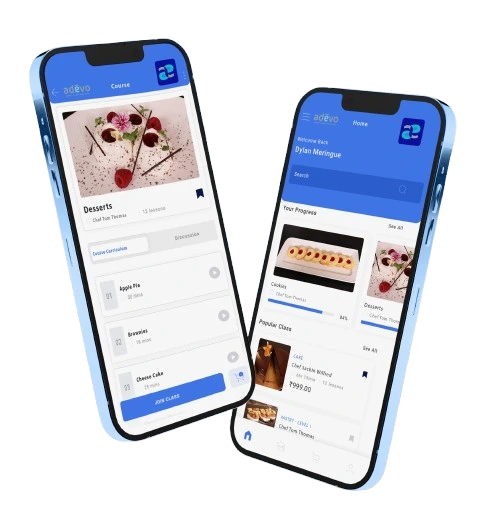
If you are aiming for an academy or a freelance path, Adevo’s bakery and confectionery training programs show the kind of depth hospitality trainers need to understand, and in time, teach themselves.
How Much Can You Earn Once You Become a training professional in India?
Pay here varies a lot. No two trainers earn the same. City, experience, and job type all play a part.
Entry-level trainers, one to three years in, working in-house at mid-range chains in Bangalore, Pune, or Hyderabad typically earn Rs. 4-7 lakh a year, while trainers with five or more years at premium chains in metro cities can earn Rs. 8-15 lakh a year, and senior L&D roles at large chains reach Rs. 18-25 lakh.
Freelance trainers charge Rs. 15,000-50,000 per session, based on the client size and how long the program runs, and top independent trainers who work with luxury hotel brands earn well past that, though it takes years to build a client list that big.
Location matters a lot, since Bangalore, Mumbai, Delhi NCR, and Goa hold most of the roles today, while smaller cities like Jaipur, Udaipur, and Kochi are only now catching up. That shift means fresh demand for trainers who already know those local markets well.
How to Become a corporate trainer: Steps to Take Right Now
- Build 3–5 years of floor experience first. Front office, F&B service, and guest relations are the best departments, and you cannot teach what you have not done yourself.
- Train informally before you get certified. Lead team briefings. Run induction sessions. Walk staff through SOP refreshers. This builds your portfolio and gives you real stories for interviews.
- Choose a certification that fits your path. AHLEI suits hotel chains. NSDC-aligned Train the Trainer suits government programs. Neither beats the other , it depends on where you want to work.
- Write down every session you run. Topic, group size, method, results. Hotels want proof of outcomes, not a list of workshops you sat through.
- Specialise in hospitality-specific work. Guest recovery. Cross-department communication. Multilingual service. Specialists earn more and get shortlisted faster than generalists do.
- Build your network on purpose. Go to FHRAI events. Talk to L&D heads at hotel chains. Get to know training academies. Referrals win more work than job boards ever will.
Conclusion
The demand is real, and it keeps growing, but getting hired takes real work, not just interest, and most trainers who made it followed the same route: years on the floor first, then informal teaching, then a certificate, then a clear specialty, each step built on the one before it, with no real shortcut to becoming someone staff will actually trust. Start with floor experience. Build your teaching skills informally. Get certified. Specialise. Network within the industry.
Ready for the first step? Get real floor time, get certified, and specialise in what Indian hotel and restaurant teams actually need from a trainer.
If you are ready to move into training, speak with Adevo’s team about hospitality L&D pathways.
Frequently Asked Questions: skills development trainer Career in India
Q: What is the meaning of a soft skill trainer? A: A soft skill trainer is someone who builds and runs programs that grow people skills like talking, listening, empathy, teamwork, and the ability to adapt. In hospitality, this job is about how staff treat guests and each other. The trainer finds the gaps, builds hands-on exercises, and checks progress through feedback and real performance numbers.
Q: Are workplace trainer jobs growing in India? A: Yes. The Ministry of Tourism signed MoUs with 8 major hospitality groups to partner with its Central Institutes of Hotel Management and close the skills gap (Ministry of Tourism, 2024). Hotel chains now see that technical training alone does not raise guest satisfaction scores. Demand for trainers who teach these skills is growing fast in Bangalore, Mumbai, Delhi NCR, and newer hubs like Goa and Rajasthan.
Q: Do I need a degree to become a training professional? A: No specific degree is required by law. That said, a hospitality management qualification paired with real floor time makes you a much stronger hire. Certifications like AHLEI’s Certified Hospitality Trainer or NSDC’s Train the Trainer add weight to your name. What employers care about most is a track record of making teams better.
Q: Can I become a freelance corporate trainer in hospitality? A: Yes, but expect a slow start. Most trainers who now freelance in India spent 3-5 years working in-house first. Start building your client list and your referral network while you are still employed.
Q: What is the salary range for L&D professionals in Indian hotels? A: Entry-level trainers earn Rs. 4-7 lakh a year at mid-range properties. Trainers at premium hotel chains earn Rs. 8-15 lakh, and senior L&D roles reach Rs. 18-25 lakh. Freelance trainers charge Rs. 15,000-50,000 per session, depending on the client and how big the program is.