Gamification in Hospitality Training: Boost Engagement & Staff Retention

Gamification in Hospitality Training: Boost Engagement & Staff Retention

Table Of Content

    Introduction

    Picture a Tuesday afternoon training session at a 60-room hotel in Indore. The supervisor reads from a manual. Half the housekeeping team stares at the wall. Two staff members scroll their phones under the table. One person is asleep. Nobody remembers what was covered by dinner service. Sound familiar?

    Now picture the same hotel, three months later. The housekeeping team clusters around a whiteboard, arguing over who scored highest on the weekly room-quality checklist. A front desk agent high-fives a colleague after clearing Level 3 on the guest complaint resolution game. The kitchen team huddles over a WhatsApp food safety quiz, racing to answer first. Everyone is laughing. Everyone is learning. That shift happened because the hotel introduced gamification into its training. If your team needs soft skills training courses that actually hold attention, gamification is the method worth understanding.

    What Is Gamification (And Why It Works)?

    Adding Game Elements to Non-Game Activities

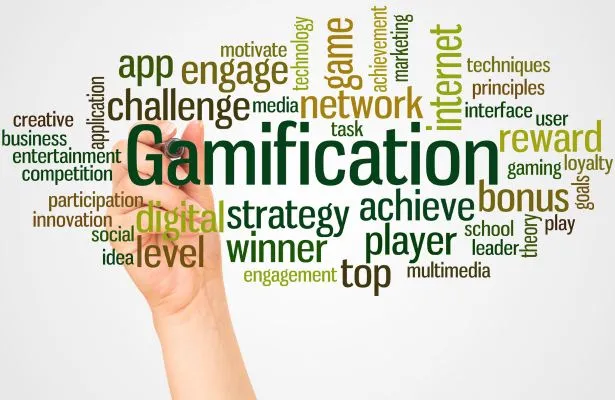
    Gamification means applying game mechanics — points, scores, levels, rewards, competition — to activities that are not games. In hospitality training, it means turning a fire safety module or a guest service refresher into something staff want to participate in, not something they endure.

    This is not about making work “fun for fun’s sake.” It is about using proven psychological triggers — achievement, recognition, progress, competition — to drive engagement with training content that staff genuinely need to absorb.

    The Science Behind It

    Games activate the brain’s reward system. When a staff member earns a badge or climbs a leaderboard, dopamine is released. That neurological response creates positive associations with the training content. The result: staff pay attention longer, recall information better, and return for more.

    Research cited across Harvard Business Review and e-learning industry studies confirms that gamified training increases engagement by 50% compared to traditional lecture-based methods. Information retention is also 50% higher when game elements are used. These are not small improvements. For a high-turnover industry like hospitality, they are transformational.

    Why Hospitality Needs This

    Indian hospitality faces a retention crisis. According to FHRAI data, staff turnover in hotels and restaurants runs between 25% and 30% annually. Training that feels like punishment accelerates that problem. Staff who dread training sessions are more likely to disengage, underperform, and leave.

    Gamification addresses the root cause: disengagement. Globally, Hilton reduced training time by 30% after introducing gamified learning elements. Over 70% of staff prefer engaging, interactive training over passive lectures. When training becomes something staff look forward to, retention improves — both knowledge retention and employee retention.

    The Case for Gamification in Indian Hospitality

    The Problem You Already Know

    Your training sessions are probably one of these: a PowerPoint read aloud by a supervisor, a manual handed to new hires on day one, or a monthly meeting where nobody takes notes. Staff see training as time away from tips. Supervisors see it as time away from operations. The result? Low knowledge retention, repeated mistakes, frustrated guests, and staff who leave within six months.

    Meena, a housekeeping supervisor at a heritage hotel in Jaipur, described the problem clearly. “We used to do monthly classroom training. Staff came because they had to. They forgot everything by the next week. When I introduced a simple quality competition with a ₹500 prize, suddenly everyone wanted to learn the checklist. They remembered it because they wanted to win.”

    The Opportunity

    Gamification does not require expensive software or technology investments. A whiteboard, some creativity, and a small rewards budget can transform training engagement. The investment is small. The return — measured in reduced turnover, fewer guest complaints, and better compliance — is significant.

    A Reality Check

    Gamification will not fix wage issues, poor management, or toxic work culture. If staff are underpaid and overworked, a leaderboard will not keep them. But when paired with fair wages and decent working conditions, gamification makes training effective and makes staff feel valued. It is one powerful tool in a larger toolkit.

    5 Types of Gamification for Hospitality Training

    Type 1: Leaderboards and Competition

    How it works: Rank staff by training quiz scores, quality check results, or performance metrics. Display rankings where everyone can see them.

    Example: A 40-room hotel in Udaipur posts a monthly “Housekeeping Quality Leaderboard” in the staff room. Each perfect room inspection earns 2 points. Top scorer wins ₹1,000. The team with the most collective points gets a lunch treat.

    Cost: Free. A whiteboard or printed sheet is all you need.

    Watch out for: Unhealthy competition. Balance individual leaderboards with team-based ones so staff collaborate, not sabotage.

    Type 2: Points, Badges, and Rewards

    How it works: Staff earn points for completing training modules, answering quiz questions correctly, maintaining accident-free streaks, or demonstrating specific skills.

    Example: “Earn 100 training points this month. 100 points = ₹500 voucher.” Or: “Complete all food safety modules = Safety Champion Badge + salary increment eligibility.”

    Cost: ₹5,000 to ₹10,000 per month for a rewards budget, depending on team size.

    Watch out for: Points that never convert to meaningful rewards. If badges are purely symbolic and never lead to real benefits, staff lose interest fast. Mix small cash rewards with public recognition.

    Type 3: Role-Play and Simulation Games

    How it works: Staff act out real scenarios — handling an angry guest, responding to a fire alarm, managing a food allergy complaint. A supervisor or manager judges performance.

    Example: Ravi, an F&B manager at a restaurant chain in Pune, runs quarterly “Guest Service Tournaments.” Staff compete in handling ten real complaint scenarios. The top three performers advance to an inter-outlet competition. “Our guest satisfaction scores went up noticeably after we started this,” Ravi says. “Staff practise handling complaints because they want to win, not because I told them to.”

    Cost: Free if the trainer facilitates. Up to ₹20,000 if you hire professional role-play actors for high-impact sessions.

    Best for: Guest service, complaint handling, safety drills. This method delivers the highest learning retention because staff practise under pressure.

    Type 4: Quiz Games and Knowledge Competitions

    How it works: Run team-based or individual quiz competitions on hotel policies, food safety, guest service standards, or compliance topics.

    Example: A budget hotel in Coimbatore runs a weekly 5-question food safety quiz via WhatsApp. Kitchen staff are split into two teams. Correct answer = 1 point. Fastest answer = bonus point. Winning team picks the next week’s staff meal menu item. Within two months, 90% of kitchen staff passed their food safety certification — up from 60%.

    Cost: Free to ₹5,000 for small prizes.

    Best for semi-literate staff: Use image-based questions. Show a photo and ask “What is wrong in this picture?” instead of text-heavy questions. This makes quizzes accessible to staff with limited reading ability.

    Type 5: Progress Tracking and Leveling

    How it works: Staff progress through clearly defined levels — Trainee, Assistant, Advanced, Expert — based on training completion, months employed, performance scores, and incident-free records.

    Example: “Complete 3 months accident-free + all safety training modules = Expert Level. Expert Level = ₹500 monthly bonus + priority for senior role openings + responsibility to train new hires.”

    Cost: Free with a tracking spreadsheet. Up to ₹10,000 for a simple app-based system.

    Why it works: It creates a visible career path. Staff can see exactly what they need to do to advance. In an industry where career progression often feels unclear, this clarity is a powerful motivator. Display levels visibly — a certificate on the locker, a badge on the uniform — so the achievement is public.

    Implementing Gamification: A 5-Week Plan

    Week 1: Choose Your Topic and Game Type

    Start with one training topic. Do not gamify everything at once. Pick the area with the biggest gap — food safety compliance, housekeeping quality, or guest service. Then choose one game type: leaderboard, points and badges, quiz, or role-play.

    Keep it simple. Complex systems with 15 levels and 100 point types confuse staff and create administrative burden.

    Week 2: Design the Game

    Define your goal: what behaviour or knowledge do you want to improve? Set clear rules: how do staff earn points, win, or level up? Design rewards that motivate your specific team. Ask them what they value — sometimes a half-day off matters more than ₹500.

    Week 3: Pilot with One Department

    Test with a small group. Run the game with one department — say, housekeeping — for a week. Collect feedback. What works? What is confusing? What feels unfair? Adjust the rules, scoring, and rewards based on real feedback before expanding.

    Week 4: Full Rollout

    Announce the game to all participating staff. Explain the rules clearly. Start tracking scores. Update the leaderboard. Award points. Celebrate the first winners publicly — in a team meeting, on a notice board, or in the staff WhatsApp group.

    Week 5 and Ongoing: Refresh and Iterate

    Review monthly: is participation up? Are quality metrics improving? Is turnover declining? Rotate topics so games stay fresh. A quiz on the same topic for six months straight will lose its impact. Introduce new game types each quarter. Celebrate winners consistently.

    5 Proven Gamification Examples for Indian Hotels

    Example 1: Housekeeping Quality Leaderboard (Zero Software)

    A heritage hotel in Jaipur introduced a weekly 8-point room quality checklist. Each perfect room = 2 points. Scores are printed and posted in the staff area every Monday. Top scorer each month wins ₹500. The team with the most collective points gets a lunch treat from management. Within three months, room quality complaints dropped by 35%.

    Example 2: Food Safety Quiz via WhatsApp

    A restaurant group in Chennai sends a weekly 5-question food safety quiz to kitchen staff via WhatsApp. Teams compete for points. The winning team picks the next staff meal menu. Certification pass rates climbed from 60% to 90% in two months.

    Example 3: Guest Service Role-Play Tournament

    A mid-scale hotel chain runs quarterly “Complaint Resolution Tournaments.” Staff handle scenarios — angry guest, special dietary request, lost luggage. A panel of managers scores performance. Top three performers receive recognition certificates and priority for promotion consideration.

    Example 4: Safety Culture Points System

    A resort property near Goa awards points for safety behaviours: reporting a near-miss (+5 points), fire drill participation (+3), zero-injury month (+10). Points convert to lunch vouchers, priority leave dates, and positive notes in personnel files. Safety incident rates dropped within the first quarter.

    Example 5: Skill Leveling System

    A hotel group operating across Karnataka implemented three training levels: Trainee, Advanced, and Expert. Requirements include training module completion, months of employment, performance scores, and zero safety incidents. Expert-level staff earn a ₹500 monthly bonus, get first preference for senior roles, and are assigned to mentor new hires. Average staff tenure increased measurably after the system was introduced.

    Low-Cost Gamification for Budget-Conscious Properties

    You do not need software to gamify training. Here are options that work on minimal budgets.

    Whiteboard Leaderboard (₹500 one-time cost): Buy a whiteboard. Update it weekly with staff names and scores. Simple, visible, effective. Requires only manual updates.

    WhatsApp Quiz (₹0): Use your existing staff WhatsApp group. Post quiz questions weekly. Track scores manually. Accessible because most staff already use WhatsApp daily.

    Picture-Based Games (₹1,000 for printing): For semi-literate staff, create visual badge charts and sticker-based progress trackers. Print laminated charts. Staff place stickers when they complete training milestones. Visual, clear, engaging — no reading required.

    In-House Quiz Nights (₹0): Monthly 30-minute gatherings where teams compete on current training topics. The supervisor facilitates. No technology needed. Builds team camaraderie alongside knowledge.

    Addressing Low-Literacy Staff

    Many Indian hotel teams include staff who are not comfortable reading English or Hindi text. Gamification must account for this. Use images instead of text in quizzes. Create symbol-based badges rather than written certificates. Run verbal quiz games rather than written ones. Use colour-coded progress charts. The goal is inclusion — every staff member should be able to participate regardless of literacy level.

    Common Gamification Mistakes (And How to Avoid Them)

    Mistake 1: Overcomplication. Do not build a system with 15 levels, 100 point categories, and rules nobody can remember. Start with one leaderboard and one reward. Add complexity only when the basics are working.

    Mistake 2: Meaningless rewards. Points that never convert to anything valuable kill motivation. If you award badges but they never lead to a bonus, a voucher, or recognition, staff will stop caring. Make rewards tangible — ₹500 vouchers, a lunch treat, priority leave.

    Mistake 3: Forced participation. Do not shame or penalise staff who do not participate initially. Encourage, celebrate participants, and let results speak. When non-participants see colleagues winning rewards and having fun, most will join voluntarily.

    Mistake 4: Game fatigue. Running the same quiz for 12 months gets boring. Rotate topics monthly. Introduce a new game format each quarter. Keep the element of novelty alive.

    Mistake 5: Unfair competition. Do not pit housekeeping against the F&B team — their roles and metrics are too different for fair comparison. Use individual leaderboards within departments or create balanced cross-functional teams.

    Cost Breakdown: Gamification for Indian Hotels

    Investment Level

    What You Get

    Monthly Cost

    No-Cost

    Whiteboard leaderboard, WhatsApp quiz, verbal quiz nights

    ₹0

    Low-Cost

    Printed badges, sticker charts, small monthly prizes (₹500 vouchers)

    ₹2,000–5,000

    Medium-Cost

    Google Forms-based quizzes, structured prize budget, printed materials

    ₹10,000–15,000

    Higher-Cost

    Dedicated gamification software (Kahoot, Drimify), full reward system

    ₹25,000–50,000

    Recommendation for small and mid-size hotels: Start with no-cost or low-cost options. A whiteboard leaderboard and ₹2,000–5,000 per month in small prizes is enough to see meaningful results within 60 days. Invest in software only after you have validated that gamification works for your specific team.

    Measuring Gamification Success

    Track these five metrics to know if your gamification efforts are working.

    Engagement Level: What percentage of staff actively participate? Target 80% or higher within the first month.

    Knowledge Retention: Compare quiz scores and post-training assessment results before and after gamification. Target a 20% improvement over traditional training methods.

    Behavioural Change: Are incident rates dropping? Are quality checklist scores improving? Are guest complaints decreasing? Target a 25% improvement in measurable behaviours.

    Staff Retention: Is turnover declining among staff who participate in gamified training? Target a 10–15% reduction in turnover.

    Staff Satisfaction: Survey your team: “Do you find gamified training more engaging than traditional training?” Target 70% or more responding positively.

    Integrate Gamification with Structured Training

    Gamification is not a replacement for structured training. It is a reinforcement layer. The most effective approach combines solid hospitality management courses with gamification elements that drive ongoing engagement. Use games for knowledge retention after formal training sessions. Link game progress to learning paths so staff see how each quiz, badge, and level connects to their professional growth.

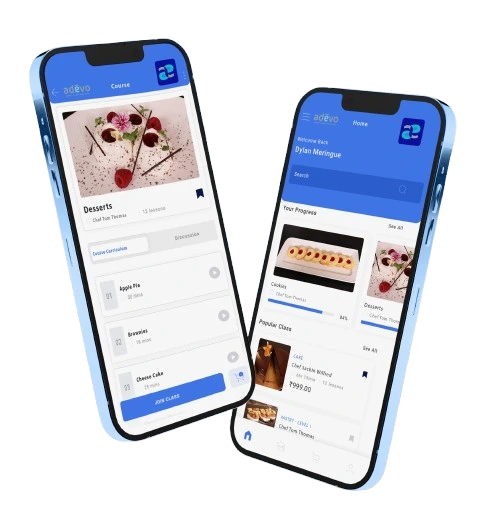
    Adevo’s mobile learning for hotel staff guide provides a delivery model for the structured foundation. Layer gamification on top — quizzes that reinforce module content, leaderboards that track course completion, and leveling systems that align with Adevo’s learning paths. The combination delivers both depth and engagement.

    Start Small, Start Now

    You do not need a budget committee approval or a technology investment to start gamifying your training. Buy a whiteboard. Create a five-question quiz. Offer a ₹500 reward. See what happens.

    Gamification works because it taps into something fundamental about human nature — we want to achieve, compete, and be recognised. Your staff are no different. Give them a reason to engage with training, and they will.

    The hotels that figure this out will retain more staff, deliver better guest experiences, and spend less on constant rehiring. The ones that don’t will keep reading from manuals to rooms full of people scrolling their phones.

    Want to build a training programme that staff actually want to attend? Explore Adevo’s L&D outsourcing services to design gamified, multilingual training tailored to your property. Or start with our soft skills training courses and see how structured learning combined with gamification drives real results. Book a free consultation to assess your current training gaps.

    Section I: Fundamental Modules

    Section IV: Supervisory Skills

    Section III: Menu Knowledge

    Section II: The Service Cycle

    Section I: Fundamental Modules

    Brendon Pereira leads the areas of Business & Finance, Technology, and Strategic Consulting. With three decades of diverse experience, Brendon has worked in financial planning, corporate finance, and strategic management across various industries.
    Prior to co-founding Adevo, he founded Brenridge Consulting, where he provided expertise in strategic planning, corporate finance, HR planning, and performance management. His prior roles include Consulting Chief Financial Officer at Kapston Facilities Management and Vice President – Corporate Planning & IT at Dusters Total Solution Services Private Limited, where he managed business planning, M&A, and IT & automation. Brendon also brings valuable operational experience from his time as Operations Manager at Reliance Industries Ltd (Petroleum Business) and earlier in hospitality as Unit Manager at TGI Fridays, and F&B Manager roles at Le Meridien, The Orchid Ecotel, and Hotel Marine Plaza.
    Brendon’s educational background includes a Post Graduate Executive Management Program (MBA) from S.P. Jain Institute of Management & Research, an MDP in Mergers, Acquisitions & Restructuring from the Indian Institute of Management Ahmedabad, a BA in Political Science from the University of Mumbai, and a Hotel Management degree from the Institute of Hotel Management, Bangalore. He has also completed Level 1 of the CFA Charter from the CFA Institute, USA.
    Krishna Shantakumar, oversees content development, consulting, product development, and HR. With a career spanning three decades in the hospitality industry, Krishna’s journey began after graduating from the Institute of Hotel Management in Bangalore in 1995. An unyielding passion for food prompted him to boldly trade a traditional engineering path for his true calling, to forge a career in hospitality
    Krishna’s extensive experience includes setting up a Hotel Management Institute in Chennai, a management trainee role with Ramanashree Group, pioneers in the budget business hotel segment, and successfully transforming Hotel Priyadarshini in Hospet. He then spent 21 years with the Aswati Group, where he played a pivotal role in expanding restaurants like EBONY, conceptualizing and designing multi-award-winning establishments such as The 13th Floor, ASEAN On The Edge, The Legend of Sikandar, Sindbad, Ebony Bistro, Dancing Wok, Katpadi Junction, and Panda House. Beyond this, Krishna has consulted on, executed, and operated four cafes and bake-houses, two hotels with multiple food and beverage outlets, two fine dining restaurants, and an exclusive cocktail bar.
    His educational background includes a Diploma in Hotel Management from the Institute of Hotel Management, Bangalore and a Bachelor’s degree in Economics from Osmania University, Hyderabad.
    Rashmi Koppar spearheads the organization’s marketing, pedagogy, and academic functions. With over 27 years of extensive experience in the hospitality industry and academia, Rashmi is a passionate hotelier and educator who has worked with leading names such as The Taj and Oberoi group of hotels. Her career also includes significant tenures at M. S. Ramaiah University of Applied Sciences, where she held roles as Deputy Registrar and Academic Registrar, contributing to infrastructure development, policy implementation, curriculum design, and faculty training.
    Driven by her belief that hospitality education should be universally accessible, transcending geographical, economic, and time barriers, Rashmi co-founded Adevo, dedicating it to transforming learners into skilled hospitality professionals. Her educational foundation includes a Post Graduate Diploma in Human Resources Management from the All India Institute for Management Studies, a Housekeeping Management Training Program from the Oberoi Centre for Learning and Development, and diploma in Hotel Management from the Institute of Hotel Management, Bangalore