
Food and beverage jobs in India fall into a few families: restaurant service, bar, kitchen support, banquets and management. Each family has its own entry point. If you are choosing a track, Adevo’s food and beverage training programmes are built around these same floor roles.
You already know how a vacancy post reads: “F&B Associate, immediate joiner.” This guide explains what sits behind that title, what pay data exists for food and beverage jobs, and the steps that get a fresher or an experienced hand hired. Read it as a map of the whole job market, then go deeper into the role you want.
Key Takeaways
- Food and beverage jobs in India sit in five families: restaurant service, bar, kitchen support, banquets and management.
- Pay data for food and beverage jobs is thin and varies widely, so treat any salary figure as indicative and compare it with the actual offer.
- Freshers are often judged on attitude, grooming, communication and basic hygiene sense, not on a perfect CV.
- FoSTaC, the FSSAI food safety training scheme, is a real hiring advantage for supervisor-level roles, so check what each posting asks for.
What Food and Beverage Jobs Exist in India?
Food and beverage jobs in India cover everything between the kitchen pass and the guest’s table, plus the bar, banquet hall and the management office above them. Hotels, standalone restaurants, QSR chains, cafes, cloud kitchens, airlines and catering firms all hire into the same families.
| Family | Typical roles | Where you work |
|---|---|---|
| Restaurant service | Steward, Captain, Hostess | Hotels, restaurants, cafes |
| Bar and beverage | Bar-back, Bartender, Barista | Bars, lounges, cafes |
| Kitchen support | Commis, Kitchen Steward | Hotel and restaurant kitchens |
| Banquets and events | Banquet Associate, Coordinator | Hotels, venues, caterers |
| Management | Supervisor, Executive, Manager | Every outlet type |
How the ladder works in service
The service department of a hotel or restaurant is the easiest to read on paper. INFLIBNET lists positions such as Food & Beverage Manager, Restaurant Manager and Head Waiter in the food and beverage service department. Those titles describe a ladder: you start serving, you lead a section, then you run the outlet.
Consider Divya, a hotel management graduate in Mysuru. She applied to every food and beverage vacancy she saw and got three callbacks in a month, all for banquet service, a role she had never considered. Six months in, she was running a section at weddings, and then she asked to move to the restaurant side. The title she started with mattered less than the skills she picked up on the floor.
Not every ladder is this tidy. In a small cafe, one person may serve, bill and close in the same shift, so the same job title can carry very different duties from one outlet to the next. Read the duties, not the label, and ask who you would report to on day one.
Whichever rung you start on, communication and team handling help you move up. If you can attend in person, Adevo’s soft skills training courses in Bangalore are one option for building that side of the job.
Which family suits you
Which family suits you depends on what you enjoy on a busy shift. Guests and speed point to service, craft and precision to the bar or kitchen, and planning and people to banquets and management.
Here is how the families feel day to day, since food and beverage jobs look similar on a vacancy board and very different on a shift:
- Restaurant service means constant guest contact, so order accuracy and speed at peak hours decide how you are judged.
- In the bar, drink knowledge matters, and so do cash and stock discipline, with late nights as part of the deal.
- Kitchen support is prep, hygiene and station routine, done under heat and pressure.
- Banquets put large crowds on strict timing, which makes teamwork the main skill on event days.
- Management is rosters, cost and compliance, plus the guest escalations that reach you last.
None of these is a lesser track. Banquet work can be a quicker way to show leadership, because event days test timing and teamwork harder than a quiet shift does, though that is a pattern to watch, not a rule. Pick the family where you can see yourself still learning in two years, not the one with the shiniest title.
Can Freshers Get Food and Beverage Jobs in India?
Yes, freshers can apply for entry-level service and bar-back roles, and you can learn the rest on the floor. Requirements differ by employer and outlet type: some ask for a hospitality certificate, diploma or degree, while others hire on a trial shift.
What hiring managers watch
What separates the fresher who lands food and beverage jobs from the one who does not is rarely marks. Hiring managers tend to watch four things:
- Grooming: a clean, uniform-ready look and calm posture.
- Spoken communication: clear English or the local language, polite phrasing and eye contact.
- Shift willingness: split shifts, weekends and festival rushes are normal in this work.
- Hygiene sense: clean hands and food contact surfaces left untouched.
None of the four needs a certificate to show. You can practise them at home, in a college canteen or at a family event, and an interviewer will notice the difference within minutes.
Trial shifts and qualifications
Take Imran, a fresher who walked into a 60-cover restaurant in Hyderabad with no certificate and a good attitude. The owner gave him a trial shift. He cleared tables fast, asked what each station needed and kept notes on regular guests. He was kept on as a steward, and the owner later sent him for a hygiene course.
A hospitality diploma can open more doors where HR screens by qualification first, while some restaurants decide on a trial shift alone. If you want a structured start before your first trial, Adevo’s food and beverage training programmes are one place to practise service routines.
What Do Food and Beverage Jobs Pay in India?
Pay for food and beverage jobs in India depends on outlet type, city, grade and experience, so one headline number never fits. Treat any figure as a prompt for questions, not a promise.
One sourced anchor point
For one anchor point, PayScale shows an average of ₹606,782 a year for a Food and Beverage Manager in India. Base salary on that page runs from about ₹196k to ₹1m, based on 26 salary profiles last updated in March 2025. That is a small sample with a wide spread. Read it as an indicative figure for the manager grade, never as a market rate.
For entry and mid-level roles, no sourced figure is used here. The honest way to judge an offer is to compare these factors:
- Grade: Steward, Captain, Supervisor and Manager sit at different bands even in one outlet.
- Outlet type: Five-star hotels, standalone fine dining, QSR chains and cafes pay differently.
- City: Metro outlets usually pay more and also cost more to live in.
- Benefits: Meals, uniform, accommodation, tips and service charge change the real take-home.
- Growth path: A lower offer with a clear route to supervisor can beat a higher offer with none.
Questions to ask before you accept
Ask three questions before you accept any of the food and beverage jobs you are offered. Is the service charge shared, and how often is it paid out? Are shift hours written in the offer letter? Does the outlet promote from inside?
A written answer to each tells you more about real pay than a headline number. Some employers explain their grade structure to new joiners, while others never do. Ask early and ask politely, and if an answer stays vague after two tries, treat that as information about the workplace too.
If you want to know who hires at scale before you compare offers, read our guide to the top F&B employers in India. Employer type tells you more about likely pay and growth than a job title does.
How Do Food and Beverage Manager Jobs Differ from Supervisor and Executive Roles?
Food and beverage manager jobs cover the whole outlet or department: budgets, purchasing, staffing, compliance and guest outcomes. A supervisor runs a shift or a section, and an executive sits between the two, owning daily operations and reporting upward.
The three grades side by side
Think of the ladder this way. A supervisor runs the shift, checks the setup before doors open and handles every guest escalation on the floor. An executive coordinates sections, rosters, stock and training for the team. A manager owns cost, quality, compliance and the team’s results, which is a different kind of responsibility, not just a bigger version of the first two.
Food and beverage manager jobs also bring compliance duties, from licence displays to hygiene audits.
Smaller outlets compress the grades
Smaller restaurants compress these grades. The owner’s right hand might cover manager, supervisor and captain duties in the same week. Do not let that put you off. Ask what decisions the role owns, what number it is judged on and who it reports to, then compare food and beverage jobs on those answers.
Food and beverage manager jobs usually ask for years of operating experience, so the sooner you start owning a number such as covers, wastage or guest feedback, the sooner you look like a manager on paper.
Where careers stall
The jump from supervisor to manager is where many careers stall, and the cause is often numbers, not people skills. A supervisor can be excellent with guests and still struggle to read a food cost sheet, plan a month’s roster or defend a budget request. Managers get asked the same questions again and again: where did the cost go, why did the guest complain, and who is ready for the next grade? If you can answer those with evidence, you are already doing the job.
Karthik, a captain at a business hotel in Chennai, saw this gap clearly. He ran a good section but could not explain food cost or rosters when his manager asked. He started tracking wastage and drafting the weekly roster, and within a year the hotel considered him for an F&B executive opening. The step up was a new set of skills, not longer hours.
Role guides for each grade
Each grade in this series has its own guide, so pick the one that matches the job you are applying for:
| Grade | What the guide covers | Read it |
|---|---|---|
| Associate | Floor duties, setup and hygiene routines | F&B associate |
| Supervisor | Running a shift or section and escalations | F&B supervisor |
| Executive | Coordinating sections, rosters, stock and training | F&B executive job description |
How Do You Get Hired for Food and Beverage Jobs?
You get hired for food and beverage jobs by matching the right family to your skills, building a short and honest CV, and showing up ready for a trial. Reading food and beverage vacancies by role family, not by title, saves weeks of wrong applications.
The six steps
Follow this sequence:
- Pick one family first: Applying to service, bar and banquets at once dilutes your pitch.
- Build a one-page CV for food and beverage jobs: List outlets, shift types, languages and any hygiene or service course.
- Read food and beverage vacancies carefully: “Associate” can mean service, kitchen support or bar-back, so check the duties.
- Apply direct as well as online: Ask outlets near you whether they run trial shifts.
- Prepare for a trial shift: Expect to carry plates, take an order and greet a guest.
- Ask what the next grade needs: Employers notice people who plan their growth.
Getting the CV and the trial right
A short CV beats a long one here. Put your most recent outlet first, state the kind of service you handled, and name any language you can use with guests. If you have no outlet experience, list the hygiene or service course and one example of working under time pressure, such as college events.
For the trial shift, arrive early, dress as the staff dress and ask one useful question about the station before you start. Owners and captains often remember how a candidate behaved when the floor got busy. That memory can count for more than a line on the CV, so treat every minute of the trial as part of the interview.
Do Food and Beverage Jobs Need FoSTaC Certification?
Not for every entry role, but certification helps for supervisor-level food and beverage jobs. FoSTaC is the FSSAI training scheme for food safety supervisors, and employers in licensed food businesses often ask for it in supervisor postings.
The exact number of certified supervisors a licence needs depends on the licence category and the size of the team, so no figure is quoted here. Confirm the current rule with FSSAI or your employer before you plan around it.
For a job seeker, the point is simple. A certified candidate saves the employer a compliance task, which can put you ahead of an equally good applicant without it. Supervisors and aspiring managers should treat the course as part of the career plan.
How Does Adevo Help With Food and Beverage Jobs?
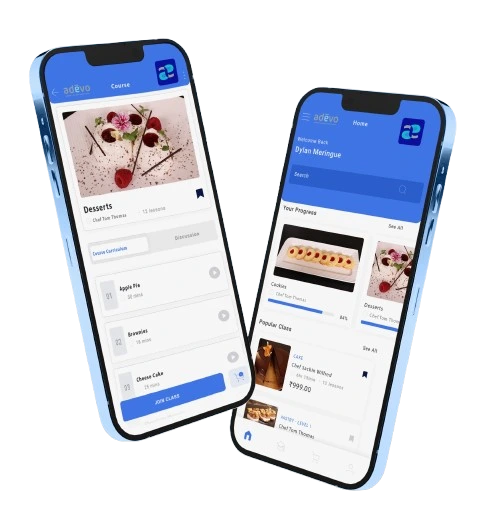
Adevo, a name taken from Atithi Devo Bhava, is an integrated skill development platform for hospitality, and it helps both the people chasing food and beverage jobs and the teams that hire them. Hotels, restaurants, caterers, clubs and healthcare and corporate groups use Adevo to upskill staff at scale, through online courses on its learning platform, on-site training at their own property and consulting on SOPs and learning plans. Students, freshers and working professionals use the same courses and certifications to build job-ready skills for roles like the ones in this guide. The co-founders bring more than 80 years of combined experience, including years at the Taj and Oberoi hotel groups, in running F&B outlets and in teaching hotel management. That experience shapes training that fits Indian floors, in Hindi, Kannada, Tamil, Telugu and English.
Conclusion
Food and beverage jobs in India reward people who pick a family, learn one grade at a time and keep a record of what they own. Titles on vacancy boards blur the picture, but the ladder from steward to supervisor to manager stays recognisable across hotels, restaurants and chains.
Start with the family of food and beverage jobs that fits you, read each vacancy for duties, and build the skills the next grade asks for. Then open the role guide for your grade in the table above.
Ready to move from applying to getting hired? Ask Adevo about food and beverage training programmes built around your outlet.
Frequently Asked Questions: Food and Beverage Jobs
Q: What is the work of a food and beverage department?
A: A food and beverage department plans, produces and serves food and drink to guests. It covers restaurants, bars, room service, banquets and the kitchen support behind them, and in hotels it is typically led by an F&B Manager.
Q: What do food and beverage jobs pay in India?
A: Pay varies widely by grade, outlet and city. PayScale lists an average of ₹606,782 a year for a Food and Beverage Manager, but on only 26 profiles, so treat it as indicative and compare the actual offer.
Q: Can freshers get food and beverage jobs in India?
A: Yes, freshers can apply for entry-level roles such as steward or bar-back, though it varies by employer. Grooming, communication and a willingness to work shifts are commonly weighed alongside any certificate.
Q: What does a food and beverage associate do?
A: A food and beverage associate supports service on the floor. Duties usually include setting up stations, taking orders, serving guests, clearing tables and following hygiene routines. Exact duties differ by outlet.
Q: Which course is best for food and beverage jobs?
A: A hospitality certificate, diploma or hotel management degree is one common route into food and beverage jobs, and some people start on the floor instead. Choose a programme with practical floor training, since qualification is only part of what employers weigh.
Q: Do food and beverage jobs need FoSTaC certification?
A: Entry roles often do not, but supervisor roles often benefit from it. FoSTaC is the FSSAI food safety training scheme, so holding it strengthens your application for supervisor and manager roles.