
Introduction
Meera Sharma stood behind the front desk of her 60-room hotel in Jaipur on the second night of Diwali last October. Occupancy had hit 97%. Twelve of her staff were seasonal hires who had joined barely ten days ago. Two guests were arguing with a new receptionist about a booking mix-up. The housekeeping supervisor called to say three rooms were not ready. A family complained that the festival dinner service was chaotic. Meera had managed Diwali seasons for six years, but this one felt different. She had hired enough people. She just had not trained them. If your hotel faces similar chaos every festival season, you need a structured peak preparation plan. Providers of soft skills training courses like Adevo help hospitality teams build the readiness that prevents exactly this kind of breakdown.
Festival season is the Indian hospitality industry’s biggest revenue window and its biggest training challenge. This guide gives you a practical, week-by-week framework to prepare your team for peak demand across Diwali, Holi, Navratri, and New Year.
Why Standard Training Fails During Festival Season
Most hotels train staff for normal operations. But festival season is not normal. Guest volumes spike, expectations rise, and your team operates under sustained pressure for weeks. Standard training does not prepare staff for any of this.
The Numbers: 15-20% Occupancy Spike During Diwali
Hotel bookings rise 15-20% during the Diwali season, according to industry reports published by Business Standard. For a property running at 75% occupancy year-round, that means hitting 90-95% during peak weeks. Every department feels the strain. Front office handles more check-ins per hour. Housekeeping turns rooms faster. F&B serves more covers per shift.
This is not a gradual increase. It hits fast and stays intense for three to six weeks depending on the festival cluster.
Your Staffing Challenge: Understaffed Year-Round, Crisis During Peak
Indian hotels already operate 10-15% below ideal staffing levels in normal months. During festival season, hospitality hiring increases by 20-25%, according to FHRAI seasonal workforce data. Yet only 40% of Indian hotels formally train these seasonal hires before putting them on the floor. The result: untrained staff serving your most demanding guests during your highest-revenue period.
Quality Risk: New Staff Plus Fatigue Equals Service Failure
Rajiv, a restaurant manager at a heritage hotel in Udaipur, recalls Diwali 2024. He hired eight temporary servers for the festival buffet. They received a one-hour orientation. By day three, guest complaints had tripled. Two servers did not know the menu. One argued with a guest about table assignments. Rajiv spent more time fixing problems than managing the restaurant.
This pattern repeats across India every festival season. New staff without adequate training plus exhausted permanent staff equals inconsistent service.
Turnover Risk: Peak Period Burns Out Staff
Staff turnover spikes 30-35% in the months following peak season, higher than the already challenging 25-30% annual hospitality attrition rate. Staff work 12-14 hour days, six or seven days a week, for weeks straight. Without burnout prevention strategies, your best people leave after the season ends.
The Festival Calendar: When to Prepare for What
India’s festival calendar creates multiple peak windows. Each requires distinct preparation.
Diwali Peak (October-November): India’s Biggest Travel Season
Diwali drives the largest sustained occupancy spike. Domestic families, couples, and some international travellers fill hotels across India. Guests expect festive decorations, cultural experiences, and elevated service. Start recruitment and training by September 1. You need a full eight weeks before the peak hits.
Navratri and Durga Puja (September-October): East and North India
This regional peak is strongest in Kolkata, Gujarat, and parts of North India. Religious tourists and families dominate the guest profile. Cultural sensitivity matters here: vegetarian dining options, awareness of fasting schedules, and respect for religious practices. Start training by August 1.
New Year Period (December-January): Metros and Resorts
Metro hotels and resort properties see 20-25% occupancy spikes. The guest profile skews towards couples and groups in a celebratory mood. Staff need training in event management, special dining service, and managing late-night operations. Start training by November 15.
Holi Secondary Peak (February-March): North India Focus
Holi brings a secondary spike of 10-15%, concentrated in North India. Younger travellers and families seek regional cuisine and cultural events. Training should begin by January 15 with a focus on outdoor event management and cultural programming.
Regional Festivals: Pongal, Baisakhi, Onam
Properties in Tamil Nadu, Punjab, and Kerala face additional regional peaks. Local knowledge matters most here. Staff must understand regional customs, festival-specific cuisine, and guest expectations unique to each celebration.
Pre-Peak Training Strategy: The 8-Week Framework
This is the core of your festival season preparation. Start eight weeks before your expected peak. Each phase builds on the previous one.
Phase 1 (Weeks 1-2): Assess and Plan
Begin by reviewing last year’s peak performance. Pull guest feedback, staff incident reports, and occupancy data. Identify exactly where service failed and where it held strong.
Action items:
- Calculate staffing needs: current headcount plus seasonal requirement per department
- A 50-room hotel typically needs 12-18 additional staff for Diwali, roughly a 30% increase
- Set training budget for seasonal hires (expect Rs 6,000-15,000 per person depending on role)
- Identify which permanent staff will serve as trainers and mentors
- Map the specific festival offerings your property will run (special menus, cultural events, decorations)
Phase 2 (Weeks 3-4): Recruit and Begin Onboarding
Recruit seasonal staff from local labour markets, hospitality institutes, and previous seasonal pools. Early onboarding covers the basics every staff member needs regardless of department.
Week 3 onboarding covers:
- Property layout, emergency exits, fire safety procedures
- Brand standards: appearance, communication basics, guest interaction rules
- Service philosophy: why quality during peak determines your reputation all year
Week 4 onboarding covers:
- Department assignment and initial role exposure
- Introduction to team leads and permanent staff
- Basic systems training (PMS for front office, order systems for F&B)
Anita Desai, HR head at a boutique hotel group in Goa, restructured onboarding in 2024. She moved from a single-day orientation to a two-week staged programme. Seasonal staff retention through the full peak period improved from 70% to 92%. The investment: one extra week of structured onboarding.
Phase 3 (Weeks 5-6): Role-Specific and Cultural Training
This phase gets granular. Each department receives targeted training.
Front Office: Reservation system mastery, check-in efficiency under pressure, handling booking conflicts, upselling festival packages.
Housekeeping: Quality checklists for rapid room turnovers, shortcuts to avoid (skipping deep-clean steps under time pressure), festival-specific room setup (welcome amenities, decorations).
F&B: Festival menu knowledge, special dietary requirements during festivals (fasting, vegetarian preferences during Navratri), service style for buffets versus plated dinners, managing high-volume service.
Cultural Training for All Staff: This is where most hotels fall short. Guests during festivals expect cultural authenticity. Staff should understand the significance of the festival, regional customs, appropriate greetings, and how to create a festive atmosphere. A server who can explain the significance of a traditional Diwali sweet on the menu creates a memorable guest experience.
Adevo’s hospitality management courses include modules on cultural sensitivity and festival-specific service that help properties deliver authentic guest experiences during peak seasons.
Phase 4 (Weeks 7-8): Mock Peak and Quality Checks
Simulate peak conditions before the actual peak arrives.
Mock peak activities:
- Run a full-occupancy drill: every department operates as if at 95% capacity
- Pressure-test service flow: Can housekeeping turn 40 rooms before 3 PM? Can F&B handle 120 covers at dinner?
- Mock complaint scenarios: assign staff to play difficult guests and test response quality
- Competency assessment: identify who is ready and who needs additional support
Quality gate: Any seasonal staff member who does not meet minimum competency standards after Phase 4 gets reassigned to a support role with continued mentoring. Do not put unprepared staff in guest-facing positions during your highest-revenue period.
Training During Peak: Keeping Quality Up When Operations Take Over
Once the peak begins, formal training sessions become nearly impossible. Operations consume every hour. But training cannot stop entirely.
Solution 1: The Buddy System
Pair every new seasonal staff member with an experienced permanent team member. The buddy answers questions in real time, corrects mistakes before they reach the guest, and provides on-the-spot coaching. This costs nothing except intentional scheduling.
Solution 2: Micro-Learning Sessions
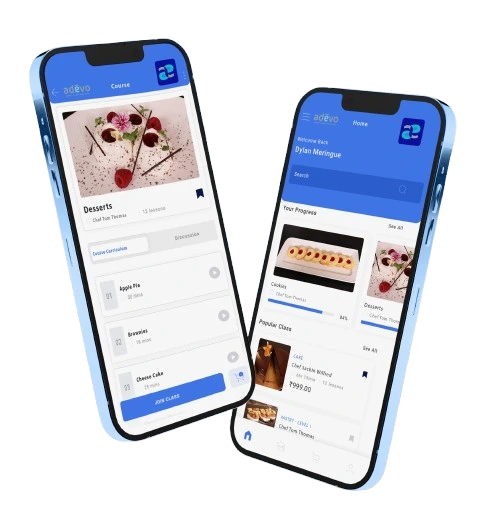
Replace full training sessions with 15-minute daily debriefs. Hold them during shift changes. Cover one topic: yesterday’s top guest complaint, a service skill to focus on today, or a quick refresher on a specific procedure. A practical mobile learning for hotel staff guide can help you run this kind of bite-sized learning through a multilingual LMS that staff can access on their phones between shifts.
Solution 3: Real-Time Guest Feedback Loops
Do not wait for post-stay reviews to discover service gaps. Collect guest feedback daily during peak. A simple question at checkout or a brief in-room survey card gives you actionable data within hours. Share findings at the daily debrief. When guests flag the same issue twice, you know where to focus training energy.
Quality Assurance Checklist During Peak
- Daily 15-minute manager briefing to recap issues and reinforce standards
- Mystery guest checks twice per week to maintain objectivity
- Department-level quality scores tracked daily (room readiness time, F&B service speed, complaint count)
- Immediate correction: address service failures within two hours, not next week
Seasonal Staff Retention: Preventing Mid-Season Burnout
Losing staff mid-peak is a disaster. A seasonal hire who quits during Diwali week leaves a gap you cannot fill. Prevention starts before the season begins.
Why Staff Leave Mid-Peak
The reasons are predictable. Exhaustion from 12-14 hour days with no days off. Low pay relative to the work intensity. No sense of future beyond the temporary contract. And a lack of recognition during the chaos when managers are too busy to notice good work.
Retention Strategies That Work
Set expectations honestly. During onboarding, tell seasonal staff exactly what the peak period demands. “This will be intense for six to eight weeks. Here is how we will support you through it.” Transparency builds trust.
Schedule humanely. Rotate rest days even during peak. No staff member should work more than six consecutive days. Build in meal breaks that are actually protected. Fatigue causes mistakes, and mistakes during peak cost more than a rest day.
Recognise daily. Devote ten minutes at the start of each shift to acknowledge specific contributions. “Sunil handled that difficult guest at checkout brilliantly yesterday.” Public recognition in front of peers costs nothing and builds loyalty.
Offer completion incentives. A bonus for completing the full season, priority rehiring for next year, and a strong reference letter motivate seasonal staff to stay. One hotel group in Jaipur implemented a completion bonus of Rs 5,000 per seasonal staff member. Mid-season turnover dropped to zero.
Provide a growth path. The best seasonal hires become permanent staff. Make this pathway visible. “Three of our current full-time front office team started as Diwali seasonal hires.” This transforms a temporary job into an audition for a career.
Core Training Modules for Peak Season Staff
Structure your seasonal training around four modules that every hire completes.
Module 1: Property Standards (All Staff, Day 1-3)
Brand standards for appearance, communication, and behaviour. Safety procedures including fire exits and emergency protocols. The “why” behind quality: how peak season performance determines your property’s reputation and online ratings for the entire year.
Module 2: Role-Specific Skills (Day 4-10)
Department-level training. Front office staff learn the reservation system, check-in and check-out procedures, and guest communication scripts. Housekeeping learns quality checklists and time-efficient room turnovers. F&B staff master the menu, service procedures, and festival-specific dishes.
Module 3: Peak-Season Resilience (Day 11-12)
Managing fatigue and recognising burnout symptoms. Why cutting corners creates bigger problems (a skipped room inspection leads to a guest complaint that takes 30 minutes to resolve). Working as a team when everyone is stretched thin. This module is where L&D outsourcing services add the most value because burnout prevention and team resilience are specialised training areas that most hotel managers lack time to design and deliver.
Module 4: Festival-Specific Cultural Training (Day 13-14)
What guests expect during Diwali: the significance of rangoli, traditional sweets, lighting, and puja arrangements. Holi-specific knowledge: managing colour play areas, protecting property, creating safe celebration spaces. Navratri awareness: fasting preferences, garba night logistics, vegetarian menu requirements. Religious sensitivity across festivals: prayer times, ritual accommodations, appropriate greetings.
Cost Breakdown: Peak Season Training Investment
Understanding the numbers helps you budget and justify the investment.
Per Seasonal Staff Member
- Recruitment (local labour market or agency): Rs 1,000-2,000
- Onboarding (materials, documents, trainer time): Rs 2,000-5,000
- Role-specific and cultural training: Rs 3,000-8,000
- Total per person: Rs 6,000-15,000 depending on role complexity
Total for a 50-Room Property Adding 15 Seasonal Staff
- Staff training: Rs 90,000-2,25,000
- External trainer for specialised modules (optional): Rs 25,000-50,000
- Training materials and uniforms: Rs 20,000-40,000
- Total investment: Rs 1,35,000-3,15,000
Compare this to the cost of poor peak performance: negative reviews that reduce bookings for months, guest complaints that consume manager time, and staff turnover that forces you to recruit and retrain again next season.
Post-Peak: Learning and Building for Next Year
The season after peak is when smart hotels build lasting advantage.
The Post-Peak Debrief
Within two weeks of peak ending, conduct a structured review.
- Guest feedback analysis: What did guests praise? What did they complain about? Look for patterns across the full season, not just individual incidents.
- Staff feedback: Ask seasonal and permanent staff what worked and what did not. They see operational gaps that managers miss.
- Data review: Compare this season’s guest satisfaction scores, complaint rates, and revenue against previous years.
- Document everything: Update your training materials, SOPs, and preparation checklists based on real learnings.
Retaining Your Best Seasonal Staff
Evaluate every seasonal hire. Your top performers should receive a strong reference letter immediately, priority consideration for permanent roles, and a confirmed invitation for next season. Some hotel groups across Rajasthan and Goa hire the same seasonal staff every year. This builds consistency, reduces training time, and creates a reliable seasonal workforce that already knows your property and standards.
The Ministry of Tourism, India has emphasised skill development and seasonal workforce planning as key priorities for strengthening India’s hospitality sector. Properties that invest in structured peak-season training align with this national vision.
Start Your Peak Preparation Now
Festival season rewards the prepared and punishes the reactive. The difference between a profitable peak and a chaotic one is not luck. It is training.
Here is your immediate action plan:
- Identify your next peak window and count eight weeks back. That is your training start date.
- Review last season’s performance. Pull guest feedback and staff data. Know where you failed.
- Build your 4-phase plan. Assess, recruit, train, simulate. Follow the framework in this guide.
- Budget for training. Rs 1,35,000-3,15,000 for a 50-room property is a fraction of your peak revenue.
- Invest in retention. Completion bonuses, recognition, and growth paths keep seasonal staff through the full peak.
Ready to build a peak-season training programme for your property? Adevo’s soft skills training courses include festival-specific hospitality modules, rapid onboarding frameworks, and multilingual digital learning that gets seasonal staff ready fast. Talk to our team about designing a peak preparation plan tailored to your property’s size, location, and festival calendar.
Your next Diwali does not have to look like Meera’s. Start preparing now.