Introduction
Food and Beverage (F&B) service is no longer just about delivering food to a table. In modern hospitality, it defines the guest experience, shapes brand perception, and directly influences repeat business and online reputation. Guests may forget what they ordered, but they rarely forget how they were treated.
Yet many restaurants and hotels struggle with inconsistent service standards. Staff turnover, inadequate training, and unclear expectations often result in uneven guest experiences. Effective soft skills training courses address these foundational gaps. One server may provide exceptional attention, while another delivers mechanical service that feels impersonal. Over time, this inconsistency erodes guest loyalty.
Effective F&B service training solves this challenge. It transforms service from a task-based activity into an experience-driven interaction. When staff understand service principles, communication techniques, and guest psychology, dining becomes memorable rather than routine.
This guide explores how structured F&B service training creates exceptional dining experiences, improves operational efficiency, and builds long-term guest relationships.
Why F&B Service Training Matters
The quality of food alone no longer guarantees success. 94% of diners read online reviews before choosing a restaurant, evaluating dining experiences holistically — including service speed, staff attitude, communication, and attention to detail.
Well-trained F&B teams contribute to:
Higher guest satisfaction through consistent service standards.
Increased average spend through confident recommendations and upselling.
Stronger online reviews and brand reputation.
Reduced guest complaints and service recovery situations.
Improved team confidence and lower staff turnover.
Untrained service staff often rely on improvisation. This leads to inconsistent greetings, incorrect order handling, delayed service, and poor communication between kitchen and service teams. Training replaces guesswork with clarity and confidence.
The Foundations of Exceptional Dining Service
Exceptional service is built on a combination of technical skills and human interaction. Training programs must address both equally.
Service Awareness
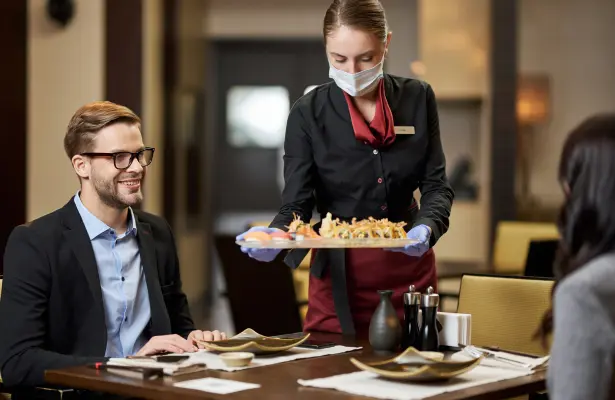
Service begins before guests are seated. Staff must be trained to observe guest behavior, anticipate needs, and respond proactively rather than reactively. Recognizing cues such as guests looking around for assistance or slowing their pace during meals allows staff to intervene appropriately.
Communication Skills
Clear and professional communication defines service quality. Staff must learn how to speak confidently, listen actively, and respond politely under pressure. Tone, body language, and eye contact often matter more than words themselves.
Training should include greeting standards, menu explanations, handling guest questions, and managing complaints calmly and respectfully.
Product Knowledge
Servers cannot create exceptional experiences without understanding what they serve. Training should include detailed knowledge of menu ingredients, preparation methods, dietary considerations, and pairing suggestions.
When staff confidently describe dishes and make recommendations, guests trust their expertise and are more likely to try new items or premium options.
Attention to Detail
Small details create lasting impressions. Proper table setup, timely water refills, clearing plates discreetly, and maintaining cleanliness throughout service contribute to perceived quality. Training ensures these details become habitual rather than occasional.
Core Components of F&B Service Training
Effective F&B training programs typically focus on five essential areas.
1. Service Standards and Sequence of Service
Every dining establishment should define a clear service sequence, from guest arrival to departure. Staff must understand when and how each step occurs.
This includes greeting guests within a defined time, presenting menus correctly, taking orders efficiently, serving food from the correct side, checking satisfaction during meals, and closing service professionally.
Consistency across all staff ensures guests receive the same experience regardless of who serves them.
2. Guest Interaction and Hospitality Mindset
Hospitality is emotional. Guests want to feel welcomed, respected, and valued.
Training should emphasize empathy, personalization, and positive language. Instead of saying, “That’s not available,” staff can say, “May I recommend a similar option that guests really enjoy?” Small language adjustments significantly improve guest perception.
Staff should also learn how to adapt service styles for different guests, such as business diners, families, or leisure travelers.
3. Upselling and Revenue Enhancement
Upselling is often misunderstood as pushing expensive items. In reality, it is about enhancing guest experience through informed recommendations.
Training teaches staff how to suggest appetizers, beverage pairings, or desserts naturally within conversation. When done correctly, guests appreciate guidance rather than feeling pressured.
This approach increases revenue while improving satisfaction.
4. Handling Complaints and Service Recovery
Even well-run operations face service failures. The difference between average and exceptional establishments lies in how problems are handled.
Staff should be trained to listen without interruption, acknowledge the issue, apologize sincerely, and offer solutions quickly. Effective service recovery can turn dissatisfied guests into loyal customers.
5. Team Coordination and Communication
F&B service relies heavily on coordination between kitchen, service staff, and management. Training must include communication protocols, order accuracy procedures, and escalation processes.
Clear communication reduces delays, prevents errors, and improves overall efficiency.
Building Confidence Through Practical Training
Classroom learning alone is insufficient for service roles. Practical training ensures skills translate into real-world performance.
Role-playing exercises help staff practice greeting guests, explaining menus, and handling difficult situations. Mock service sessions allow teams to rehearse service flow without operational pressure.
Shadowing experienced staff accelerates learning and builds confidence among new hires. Continuous feedback during service helps reinforce correct behaviors.
When staff feel confident, their interactions become natural rather than scripted.
The Role of Soft Skills in Dining Experiences
Technical competence ensures efficiency, but soft skills create emotional connections.
Key soft skills in F&B service include:
- Emotional intelligence to understand guest moods and expectations.
- Active listening to accurately interpret requests.
- Stress management during peak service hours.
- Team collaboration to maintain smooth operations.
- Adaptability when unexpected situations arise.
Training programs that integrate soft skills consistently produce stronger guest engagement and better team morale.
Standardization Without Losing Personalization
One of the biggest challenges in F&B training is balancing consistency with authenticity. SOPs and service standards provide structure, but service should never feel robotic.
Training should encourage staff to personalize interactions while maintaining service guidelines. Using guest names, remembering preferences, or adapting communication style adds warmth without compromising consistency.
Guests appreciate service that feels genuine rather than rehearsed.
Technology and Modern F&B Training
Technology increasingly supports service training and performance improvement.
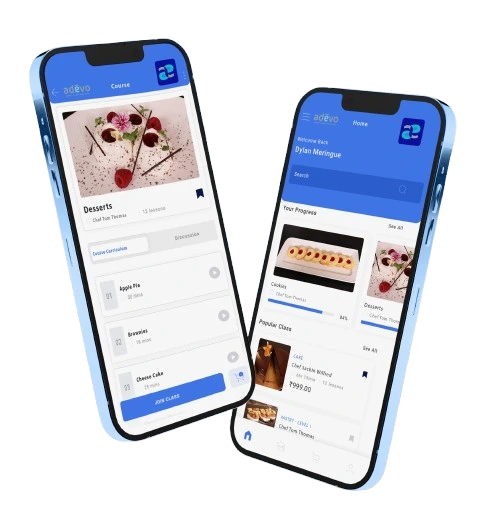
Digital learning platforms allow staff to revisit training modules, menu updates, and service standards anytime. Video demonstrations help visualize correct techniques. Mobile-based learning supports continuous development without disrupting operations.
Performance tracking tools also help managers identify skill gaps and provide targeted coaching.
Technology does not replace human training but enhances consistency and scalability.
Measuring the Impact of F&B Service Training
Training effectiveness should be measured through operational and guest-focused metrics.
Guest satisfaction scores and online reviews often show immediate improvement after structured training implementation. Average check value increases when staff confidently recommend items. Complaint frequency decreases as service consistency improves.
Internal metrics such as order accuracy, service speed, and staff retention also reflect training success.
Regular assessment ensures training remains relevant and aligned with business goals.
Creating a Continuous Training Culture
F&B training should not be a one-time event during onboarding. Dining trends, guest expectations, and menus evolve constantly.
Successful organizations implement continuous learning through refresher sessions, pre-service briefings, and monthly skill workshops. Managers play a crucial role in reinforcing standards daily through observation and coaching.
Online skill development courses help managers build coaching and feedback competencies. When training becomes part of workplace culture, service quality improves naturally over time.
Conclusion
Exceptional dining experiences are created by people, not processes alone. Well-trained F&B teams understand that every interaction contributes to guest perception, loyalty, and brand reputation.
Investing in structured F&B service training improves consistency, increases revenue opportunities, and builds confident teams capable of delivering memorable experiences. More importantly, it transforms service from routine execution into genuine hospitality.
Restaurants and hotels that prioritize service training stand out in competitive markets because guests return not only for food, but for how they are made to feel.
The path to exceptional dining experiences begins with training your team to serve with knowledge, confidence, and care.