Customer experience training in India has quietly spread far beyond hotels. Premium private hospitals in Bengaluru have started training staff using hospitality-inspired greeting protocols. Progressive private banks run daily pre-shift briefings borrowed from hotel F&B operations. Retail chains are implementing what they call “guest experience frameworks.”
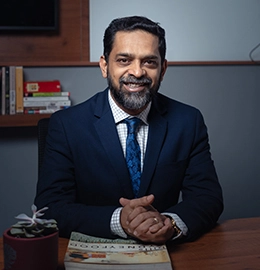
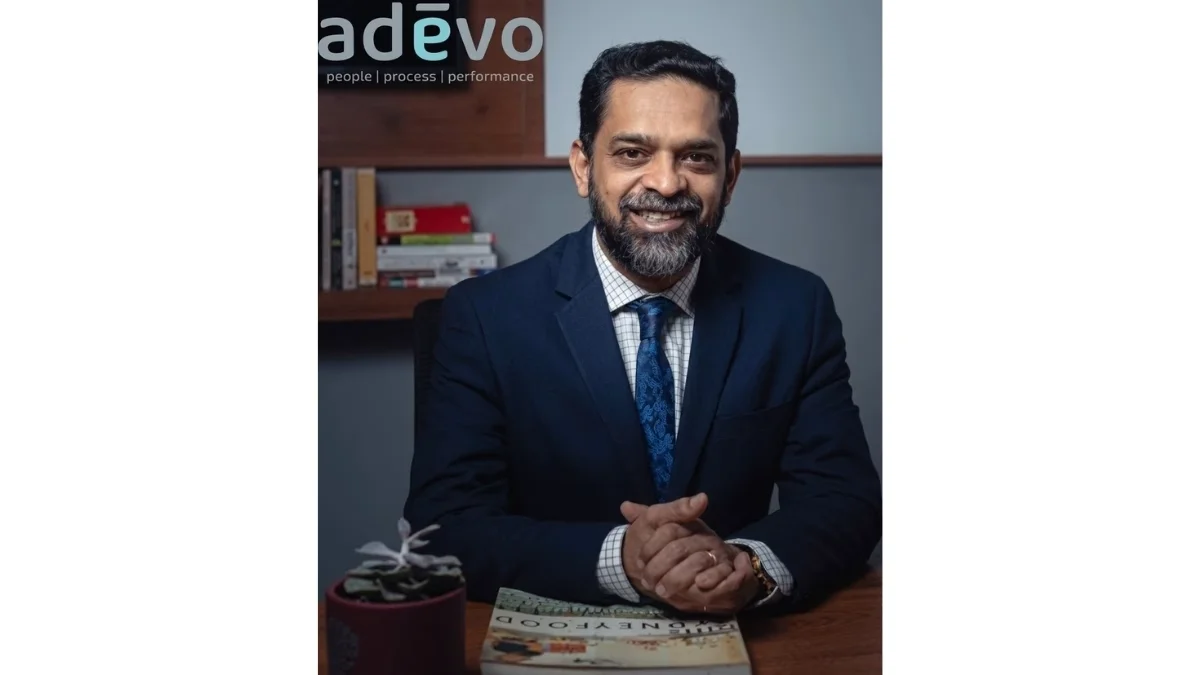
None of this is accidental. In a recent thought leadership piece for NewsX, Brendon Pereira, Co-Founder of Adevo, examines why the customer experience training India’s hotel industry refined over decades is now being adopted by organisations far outside the hotel sector — and what actually transfers versus what is being copied without the infrastructure to make it work.
Key Takeaways
– Hospitals, banks, and retail chains in India are adopting hospitality frameworks including behavioural SOPs, pre-shift briefings, and service measurement systems first refined in hotel operations.
– The transfer works when the underlying training infrastructure is built alongside the vocabulary; adopting hospitality language without a structured programme produces no lasting change.
– Adevo now delivers structured service training to client organisations across hospitality, airports, and food industry — and the competencies transfer directly to any customer-facing context.
What Is Customer Experience Training in India, and Why Are Other Industries Adopting It?
Customer experience training as hotels practise it builds a specific kind of capability: the ability to design and deliver every interaction with the same intentionality that a well-run hotel applies to a guest’s stay. That means anticipating needs before they are expressed, recovering from service failures with composure and speed, and maintaining consistent standards across every team member at every point of contact — not just in peak moments, but in routine ones.
What makes hospitality-trained service distinctive is that it is not scripted. A script handles the situations it covers. The training used in India’s best-run properties builds the instincts and judgement to handle situations no script anticipated. That is the capability hospitals, banks, and retailers are realising they need — and that their current approaches are not building.
Brendon Pereira’s NewsX piece identifies three specific elements of the hospitality model that are transferring to other industries.
Read the full NewsX feature here.
Three Hospitality Practices Adevo Has Helped Transfer Across Industries
Behavioural SOPs tied to trained instinct, not checklists: The standard operating procedure in hospitality is not a checklist you consult before interacting with a guest. It is a trained behaviour pattern that runs automatically under service pressure. Healthcare providers now have patient interaction protocols governing how staff enter a room, how discharge information is communicated, and how complaints are received — built on the same principle. A checklist produces compliance. Trained instinct produces consistent service quality through judgement rather than procedure.
Pre-service briefings as operational rhythm: Hotel F&B teams have run pre-shift briefings for decades — ten minutes before service to cover reservations, VIP guests, special requirements, staffing changes, and the service standard focus for that shift. Select Indian retail chains and a growing number of private hospitals have adopted this practice directly. It changes how teams start a shift: aligned, informed, and with a shared focus rather than each individual starting cold.
Service measurement connecting inputs to outcomes: Beyond end-of-period satisfaction surveys, organisations that have adopted hospitality thinking now track operational metrics linking specific training interventions to specific service outcomes. This closes the loop between what training delivers and what customers actually experience.
These are the competencies that cannot be built through compliance training but can be systematically developed through the right programme — which is what Adevo’s work with clients across hospitality, airports, and food service demonstrates.
How Adevo Builds These Competencies
Adevo was founded by practitioners who designed and delivered these exact frameworks in live hotel and restaurant environments before formalising them into training programmes. Brendon Pereira’s background in hotel F&B operations at Le Meridien and The Orchid Ecotel, and his subsequent CFO-level experience in NSE-listed companies, means Adevo’s service training is built from both the operational floor and the business outcome perspective.
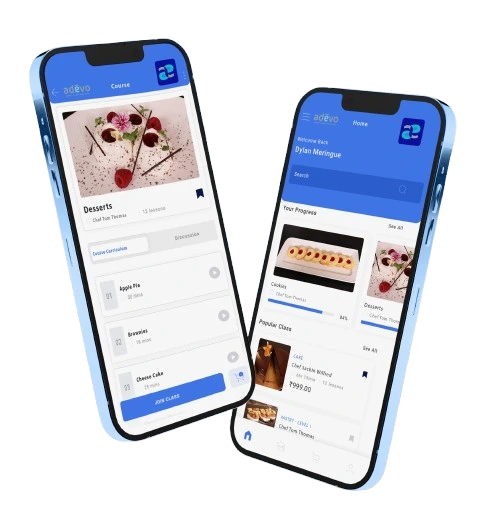
Adevo delivers customer experience training through four channels: physical academy training at its Bengaluru and Toranagallu centres, on-site training deployed at client locations and configured to the brand’s own standards, a digital LMS with 100+ modular courses, and consulting on SOP development.
General Mills India: Adevo trained staff across 6,000 bakeries nationally — a programme that required building consistent service and quality standards across a geographically distributed network of operators at varying levels of training maturity.
Kempegowda International Airport: Adevo developed passenger services SOPs, translating hotel-standard interaction frameworks into a high-volume, public-facing airport operations context.
Kling Brewery and Kitchen: Following Adevo’s service training intervention, the property holds 4.8+ Google ratings consistently — reflecting operational service consistency rather than a post-launch spike.
The kitchen operations and culinary training Adevo delivers is built from real restaurant floor experience — giving kitchen and F&B teams the applied, repetition-based learning that produces the service instincts no single training day can build.
Where the Transfer Fails — and Why Adevo’s Structured Approach Is Different
The NewsX article is clear about the failure mode. Organisations adopting hospitality vocabulary — terms like “customer experience,” “brand ambassador,” and “service excellence” — without building the supporting training infrastructure are not implementing anything. They are using the language.
Brendon Pereira’s observation is precise: “The challenge is always the absence of a structured training system.” An organisation can run one hospitality-inspired training day and see no lasting change. The same principles embedded in a structured programme — with repeated application, observed practice, and feedback cycles — produce the behavioural consistency that actually changes what customers experience.
What transfers cleanly is the behavioural layer: service recovery, anticipatory attention, composure under pressure, and consistency of standard. These are domain-neutral. A bank teller and a front office agent are solving structurally similar problems with different subject matter.
What does not transfer cleanly is operational tempo. Hotel service runs in continuous shifts with predictable peaks. A hospital ward, a bank branch, and a retail floor each have different rhythms — and a briefing cadence lifted directly from an F&B operation feels artificial in a setting it was not designed for.
The organisations Adevo works with adapt the rhythm while keeping the behavioural standard intact — which is the distinction between implementing hospitality principles and simply borrowing hospitality vocabulary.
Conclusion
The customer experience training India’s hotel industry has refined over decades extends well beyond hotel corridors. The frameworks, the practices, and the instincts that good hospitality training builds are exactly what India’s expanding service economy needs — across healthcare, banking, retail, and food service. The organisations investing in structured programmes to build these competencies are already seeing the difference in customer trust, staff retention, and service consistency.
If you are building a service training programme for a customer-facing team — in hospitality or any other sector — speak to Adevo about what a structured, operationally grounded approach looks like for your context.
Frequently Asked Questions: Customer Experience Training in India
Q: What makes hotel-style customer experience training effective in other industries?
A: Hotels have spent decades building the infrastructure to produce consistent, high-quality service across every interaction — behavioural SOPs, pre-shift briefings, and service measurement systems. These frameworks address a problem every customer-facing industry shares: maintaining consistent service standards across all team members, not just in peak moments but in routine ones.
Q: Which industries in India are adopting hospitality service frameworks?
A: Premium private hospitals in Bengaluru, progressive private banks, and retail chains are among the early adopters. Specific practices being adopted include behavioural SOPs for patient and customer interaction, pre-shift briefings modelled on hotel F&B, and service measurement systems linking training inputs to experience outcomes.
Q: Why does copying hospitality vocabulary without a training system not work?
A: Terms like “customer experience” and “brand ambassador” describe an outcome, not a method. Achieving the outcome requires building trained instincts through repeated application and feedback cycles — which means a structured programme rather than a language shift. Organisations that adopt the vocabulary without the system see no sustainable change.
Q: What role does Adevo play in taking hospitality service frameworks to other sectors?
A: Adevo’s programmes are built from operational hospitality experience and deliver the underlying competencies — communication under pressure, service recovery, anticipatory thinking, consistent standard delivery — through applied practice. These competencies transfer directly to any customer-facing context, which is why Adevo’s work now extends to airports, food industry clients, and large-scale national training programmes.
Q: What specific hospitality practices transfer most effectively to other industries?
A: The three that transfer most effectively are behavioural SOPs tied to trained instinct rather than checklists, pre-service briefings as a daily operational rhythm, and service measurement systems that connect specific training interventions to specific experience outcomes. All three require a structured training programme to function — they cannot be implemented through policy alone.