
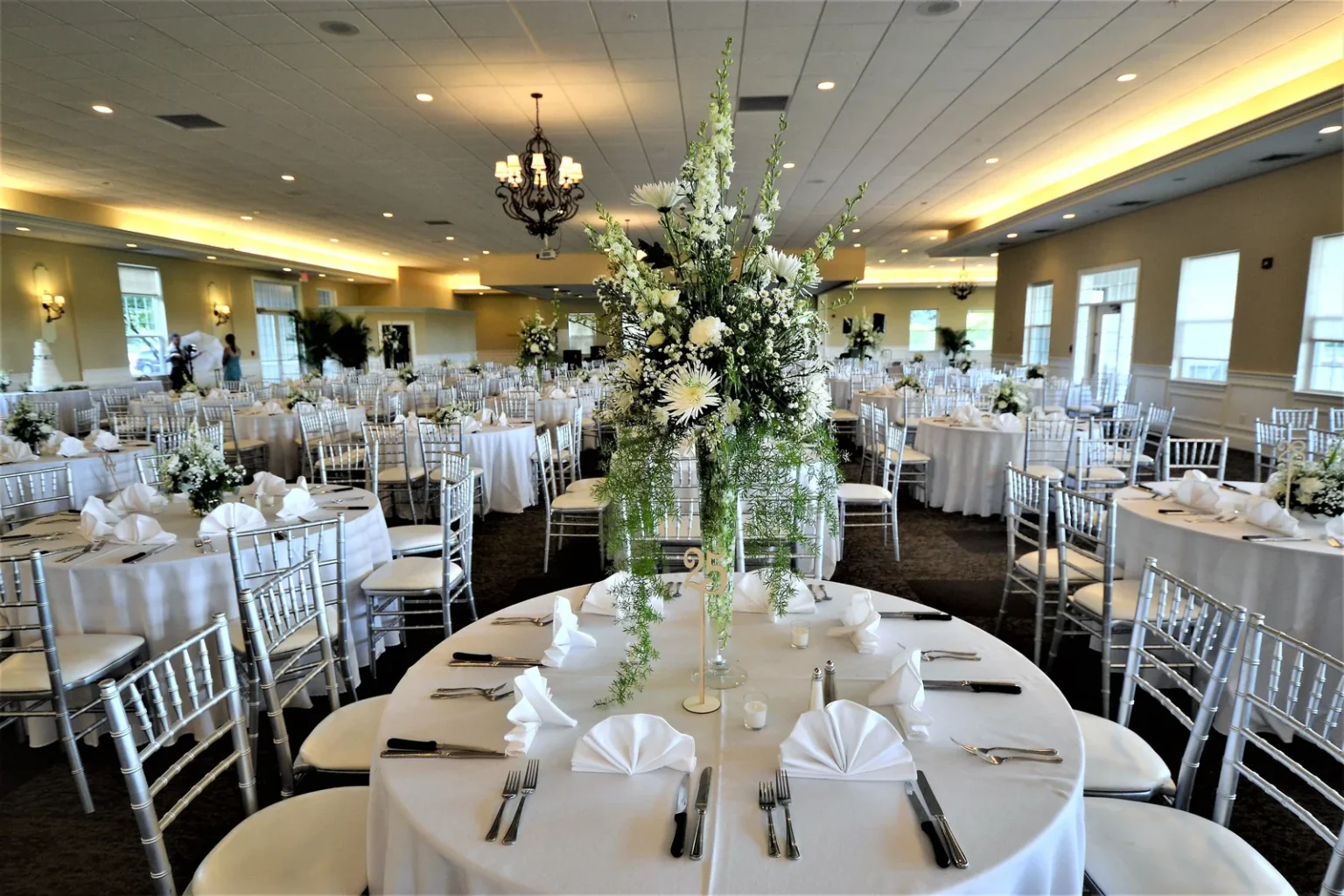
Banquet manager duties cover planning, staffing, supervising and closing every function in a hotel or banquet hall, from a 30-guest meeting to a 600-guest wedding. The banquet manager turns an event order into a smooth event: the right setup, the right team, the right food at the right time and a clean handover afterwards. This guide sets out the duties before, during and after an event, the skills the role needs and how to grow into it, with context from Adevo’s F&B training programmes for service teams.
Key Takeaways
- Banquet manager duties fall into three stages: preparing before the event, controlling service during it and closing it out afterwards.
- Staffing, setup, safety and cost control are core duties, not side tasks.
- The banquet event order is the manager’s working document, so reading it closely prevents most last-minute problems.
- Strong banquet managers grow from floor experience, so training captains early builds the next generation.
What Are the Core Banquet Manager Duties?
The core banquet manager duties are to plan each function with the sales and kitchen teams, set up the hall, brief and lead the service team, control quality and cost during the event, and close it properly. Banquets are a major source of revenue for many hotels, so mistakes here are costly.
The scope of the role is visible in how hospitality education treats banquets. The model Bachelor of Hotel Management curriculum published by the UGC lists banquet topics that include types of layouts, equipment, furniture and fixtures, menus and promotional material, types of functions and services, the number of service staff needed for each function, safety practices and cost control by reducing breakage, spoilage and pilferage. Those topics map almost directly onto the banquet manager’s daily work.
What Does a Banquet Manager Job Description Include?
A banquet manager job description usually includes the following responsibilities:
- Coordinate with sales, catering and the kitchen on every confirmed function.
- Read and follow the banquet event order for each event.
- Plan the roster and brief captains, servers and support staff.
- Supervise setup, service and breakdown of the hall.
- Act as the host’s main contact during the event.
- Control costs, stock and equipment.
- Handle complaints and make quick decisions on the floor.
- Sign off the bill and complete the event report.
Titles differ between hotels, and some properties combine banquet and conference roles. The tasks stay the same: someone must own the event from first brief to final handover. People who want to step into this role often build communication and leadership through online skill development courses alongside floor experience.
Which Banquet Manager Duties Come Before the Event?
Preparation decides how calm the day will be. Strong managers complete most of their work before guests arrive.
- Review the event order: confirm guest count, menu, timings, layout, equipment, audio-visual needs and special requests.
- Meet the kitchen: agree on food timings, plating plans and any dietary needs.
- Plan the roster: decide how many captains, servers and housemen each stage needs.
- Brief the team: explain the event, the timeline and each person’s station.
- Inspect the setup: check seating, tables, linen, cutlery, glassware and decor against the plan.
- Run safety checks: confirm exits are clear, equipment is stable and fuel for heating is safe.
Anita, a banquet manager at a Hyderabad hotel, found that the guest count on a wedding lunch had risen from 250 to 320 two days before the event. She updated the roster, asked the kitchen for a revised plan and arranged extra tables within a day. Because the event order was corrected early, no guest stood in a queue on the day.
Which Banquet Manager Duties Apply During the Event?
During the event, the manager watches the whole room and solves problems before guests notice them. The work follows the timeline in the event order.
- Welcome the host: confirm the plan, introduce the team captain and agree how to reach each other.
- Watch the flow: check that food leaves the kitchen on time and that stations are refilled.
- Support the team: step in at busy points and move staff to where they are needed.
- Handle complaints: listen, apologise and fix the issue quickly.
- Protect safety and hygiene: check food temperatures, spills, crowding and fuel safety.
- Keep the host informed: report delays honestly and offer a clear alternative.
Rohan, a banquet manager in Pune, saw the main course delayed by twenty minutes at a corporate dinner. He told the host the reason, offered an extra starter round from the bar and asked the kitchen for a new timing. The host appreciated the honesty, and the delay passed without a single complaint.
For a closer look at the document that guides every function, read the guide to the banquet event order, which shows how a good event order is written and used.
What Banquet Manager Duties Follow the Event?
Closing duties protect the next event and the hotel’s margins. They include:
- Supervise breakdown: check that tables, linen and equipment are cleared and counted.
- Record damage and breakage: note losses and report them for cost control.
- Return stock: put away par stock such as glasses, cutlery and crockery.
- Collect feedback: ask the host and a few guests how it went.
- Sign off the bill: confirm extras, overtime and any adjustments before the invoice goes out.
- Write the event report: record what worked, what failed and what to change next time.
A tidy close is not glamorous, but it separates professional teams from average ones. Notes written the same night are far more useful than memories a week later.
How Do Banquet Manager Duties Include Staffing and Cost Control?
Staffing and cost control run through the whole role. Too few staff cause slow service; too many cut margins. The manager must balance both.
| Area | What the manager controls | Sign that it works |
|---|---|---|
| Staffing | Roster, roles, briefings | Smooth service, low overtime |
| Stock | Par levels, equipment counts | Few shortages on the day |
| Breakage | Handling, storage, training | Low loss per event |
| Food waste | Guest count accuracy, portioning | Little uneaten food |
Good managers track these numbers after each event and adjust the next plan. Small improvements repeated across many events add up.
Which Skills Support Banquet Manager Duties?
Technical knowledge is only part of the job. These skills help banquet managers lead under pressure:
- Planning: turning a long event order into a clear timeline.
- Communication: briefing staff, hosts and the kitchen without confusion.
- Leadership: guiding a mixed team of permanent and casual staff.
- Problem solving: finding quick fixes when plans change.
- Calm under pressure: staying steady in front of guests.
- Numbers sense: reading costs, stock and staffing levels.
Deepak started as a banquet server in Mumbai and became a captain after two years. He learned the event order by reading every one he could, and he asked his manager why each decision was made. By the time the assistant manager role opened, he already understood the work.
Banquet managers who want to grow further often study leadership next. The guide to restaurant general manager training shows how floor leaders build the skills to run a whole outlet.
How Do You Train for Banquet Manager Duties?
Train banquet manager duties through exposure, practice and feedback. Rotate captains through setup, service and closing, so they see the full cycle. Give them real event orders to read and ask them to plan a roster on paper before the day.
Run short drills on complaint handling and delay communication. After each event, hold a ten-minute review with the team: what went well, what slowed us and what will we change. These habits build judgment faster than classroom lectures alone.
Want your banquet team trained to one standard? Talk to us about a short programme built around your own halls and event types.
Conclusion
Banquet manager duties span preparation, live control and careful closing, with staffing, safety and cost control running through all three. Read the event order closely, brief the team clearly and keep notes after every event. Managers who learn this way move up faster and run calmer events.
Ready to build a stronger banquet team? Ask Adevo about F&B service training for your outlet built around your halls and your guests.
Frequently Asked Questions: Banquet Manager Duties
Q: What are the main banquet manager duties?
A: The main banquet manager duties are planning each event, setting up the hall, leading the service team, controlling quality and cost during the event and closing it out with a report. Safety and guest communication run through every stage.
Q: What is a banquet manager job description?
A: It describes a role that coordinates with sales and the kitchen, follows the event order, plans staffing, supervises setup and service, handles complaints and controls costs. Exact titles and tasks vary by hotel.
Q: What skills does a banquet manager need?
A: A banquet manager needs planning, communication, leadership, problem solving, calm under pressure and a good sense of costs. These skills grow with experience on the floor.
Q: How does someone become a banquet manager?
A: Many start as banquet servers, move to captain, then assistant manager and manager. Hospitality training and floor experience both matter, and a good manager is usually someone who has run many events.
Q: Why is the banquet event order important for banquet manager duties?
A: The event order holds the details of the function: guest count, menu, timings, layout and special requests. Reading and following it closely prevents most last-minute problems.