Baking courses online can either be a weekend hobby or the start of a second career. For those ready to go professional, soft skills training courses in Bangalore are the next step. But most people don’t pick the right online course for their actual goal to begin with.
Key Takeaways
– Online formats teach recipe theory and product knowledge well but cannot replace hands-on lamination, tempering, and plating practice.
– Government diploma programmes build in dedicated industrial training precisely because online-only learning doesn’t translate to kitchen-ready skill.
– Match the course to your actual goal: a hobbyist and a career-switcher need very different online formats.
What Baking Courses Online Suit Beginners & Hobbyists?
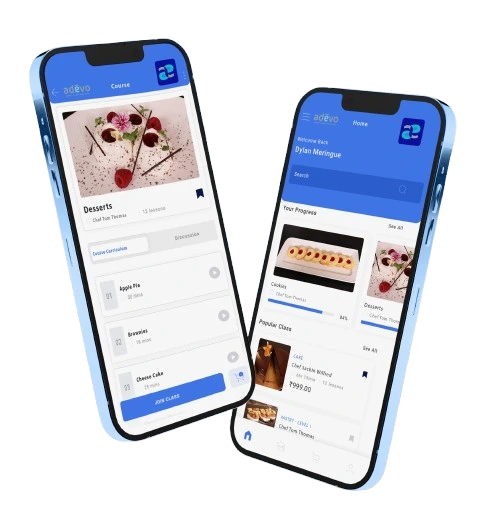
Hobbyist-focused baking courses online teach specific recipes and techniques. Sessions are recorded or live, usually priced between ₹200 and ₹15,000. These work well for building confidence with one product category, like breads, cakes, or eggless baking, without any career commitment.
What About Working Professionals Considering a Career Switch?
If you’re testing interest in a bakery career while still employed, baking courses online let you learn theory and recipe logic around a full-time schedule. Treat this as preparation, not a substitute. The practical training a Bakery & Confectionery diploma still matters. A realistic plan looks like this: six to twelve months of structured online learning to confirm genuine interest and build recipe fluency. Then a full-time diploma, once you’re ready to commit rather than just test the water.
What Can You Realistically Learn Online vs In-Person?
With baking courses online, you can learn recipe ratios, technique theory, and product knowledge. What you can’t learn is lamination feel, tempering by touch, or plating speed under real kitchen pressure. That needs hands-on practice. Anyone planning to work professionally should treat online learning as a supplement to in-person training, not a replacement.
Private diploma programmes, such as CGC Landran’s Diploma in Bakery & Confectionery, build a 24-week internship into the final phase. That’s because recipe knowledge alone doesn’t translate to kitchen-ready skill. Our pillar guide on the pastry chef career path in India covers this hands-on gap in more depth.
What Should You Check Before Paying for a Course?
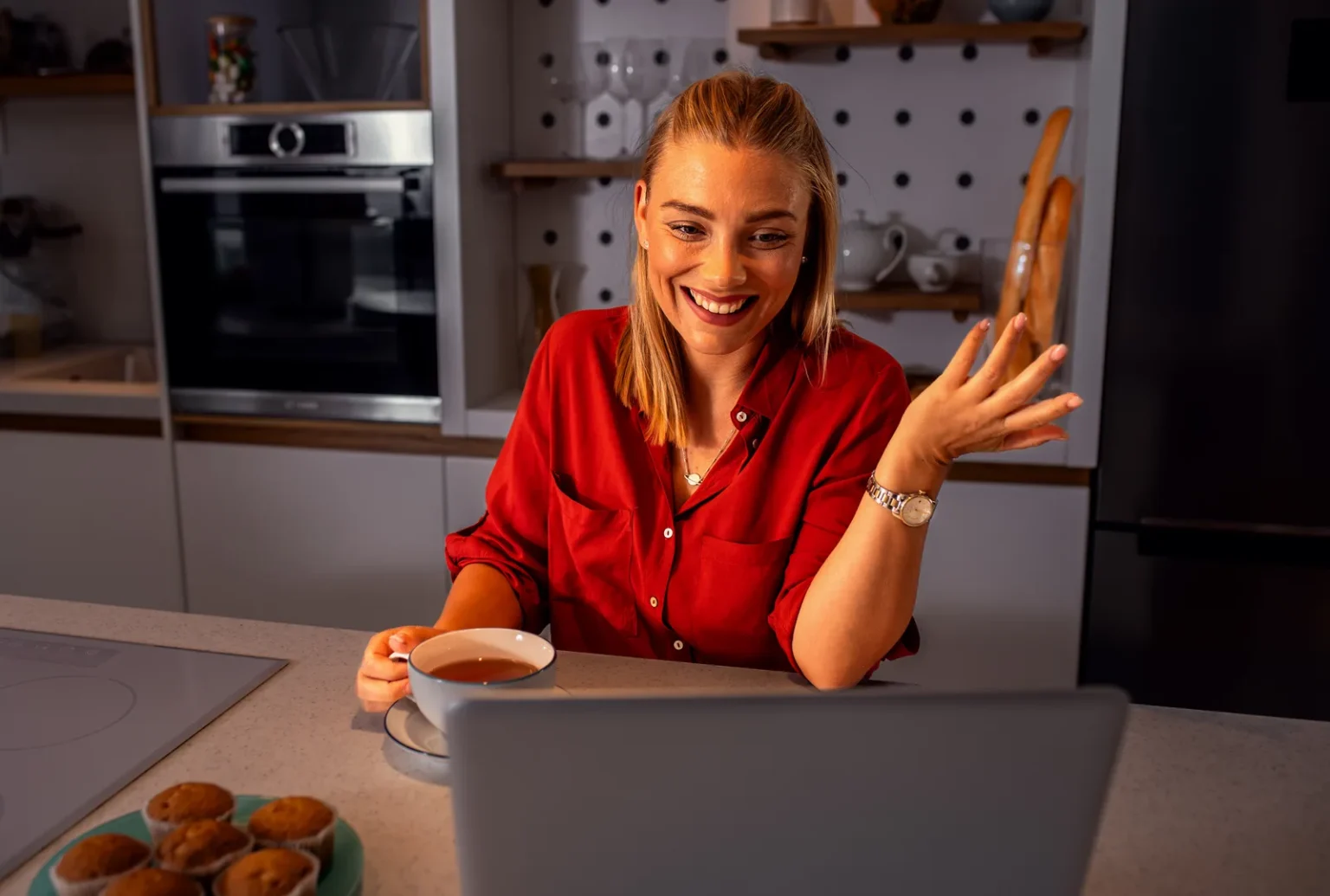
Look at whether the platform offers doubt-resolution support. A recorded video with no way to ask why your ganache split loses most of its value. That loss hits the moment you run into a real problem. Live-format baking courses online, even at a higher price point, tend to justify the premium here. An instructor can actually diagnose what went wrong from a photo or short video call. Also check the refund policy before paying in full. A large share of online course complaints in India centre on no-refund policies for content that turned out far thinner than advertised.
Do Certificates from Online Baking Courses Actually Matter?
A certificate from most online baking courses carries limited weight with hotel or bakery-chain employers on its own. It doesn’t verify hands-on competency the way a diploma’s industrial training does. It can still help build a home-bakery brand. It can also supplement a resume alongside real experience. Just treat it as a credential for personal credibility, not a hiring qualification. If the end goal is employment in a commercial kitchen, prioritise a course that pairs with an in-person practical component. It should lead directly into one.
How Should You Choose the Right Baking Courses Online?
Match the course to your actual goal, not the most popular option. A hobbyist wanting better birthday cakes needs a completely different course. Someone testing a career pivot into professional pastry work needs another entirely.
| Course Type | Format | Best For |
|---|---|---|
| Recipe-specific classes | Live or recorded | Hobbyists, specific skill gaps |
| Foundational theory courses | Recorded modules | Career-switchers preparing for in-person training |
| Certificate programmes | Structured, assessed | Building a credential alongside employment |
Sources
- Diploma in Bakery & Confectionery, CGC Landran, retrieved 2026-09-07
- Bakery hygiene and food safety training manual, FSSAI (FoSTaC), retrieved 2026-09-07
Conclusion
Baking courses online are genuinely useful, but only when matched honestly to what you’re trying to achieve. If your goal is a real bakery career, treat online learning as the first step, not the whole journey, before enrolling in a hands-on diploma.
Frequently Asked Questions: Online Baking Courses
Q: Can I become a professional baker through online courses alone?
A: Not reliably. Baking courses online build theory and recipe knowledge well, but professional kitchen skills like lamination, tempering, and plating speed require hands-on practice that only in-person training provides.
Q: Are online baking courses worth it for beginners?
A: Yes, for building foundational recipe knowledge and confidence before deciding whether to pursue a hands-on course. They’re a low-cost way to test interest before a bigger financial commitment.
Q: What’s the difference between an online baking course and an online baking diploma?
A: A course typically covers a narrow skill or recipe set, while a diploma-style online programme covers broader theory across multiple modules with structured assessment. Neither replaces the practical hours needed for professional-level skill.
Q: Which online baking courses are worth paying for in India?
A: Courses with structured modules and assessed progress, rather than a single recorded recipe video, tend to justify their fee better. Look for a syllabus that builds theory in a logical order rather than a random collection of recipes.
Q: Do online baking course certificates help with hiring?
A: Not significantly on their own, since most employers weight hands-on, industrial-training-backed diplomas far more heavily. An online certificate is more useful for building a personal brand or supplementing real kitchen experience than as a standalone hiring credential.
Q: Do home bakers need an FSSAI licence in India?
A: Yes, selling baked goods commercially from home in India requires FSSAI registration or a licence, based on annual turnover, per FSSAI’s official bakery hygiene and safety training manual. An online baking course teaches the recipes; it does not cover this compliance step, which home bakers must handle separately.