
Introduction
In our experience training 50+ hospitality teams across India, the staff with the highest guest satisfaction scores aren’t the fastest or most technically skilled—they’re the ones with the highest emotional intelligence.
Rahul, a server at a Bangalore restaurant, never rushed service. But guests consistently gave him perfect ratings. Why? He noticed when a guest was stressed, sat down for a moment, and listened. He recognized when a couple needed privacy and when a solo diner wanted conversation. His technical skills were average, but his EQ transformed guest experiences.
Here’s the truth: In hospitality, emotional intelligence determines success more than technical skill.
Yet most Indian hospitality organizations don’t systematically develop EI. Training focuses on procedures (how to set a table, how to take an order) but ignores emotional competencies (recognizing emotions, managing stress, building rapport).
This guide teaches you how to develop emotional intelligence across your team—improving guest experience, reducing staff burnout, and building a culture of psychological safety.
What Is Emotional Intelligence and Why It Matters in Hospitality
Emotional Intelligence (EI) has four core components:
- Self-Awareness: Understanding your own emotions, triggers, and impact on others
- Self-Regulation: Managing your emotions, staying composed under stress
- Empathy: Understanding others’ emotions and perspectives
- Social Skills: Building relationships, communicating effectively, resolving conflicts
In hospitality, high EI means:
- Self-aware servers recognize when they’re frustrated and don’t take it out on guests
- Self-regulated cooks stay calm during rush, don’t yell at team members
- Empathetic housekeeping staff notice when guests are upset and respond with kindness
- Socially skilled managers build cohesive teams where people want to work
The business impact: Research on Indian hospitality shows that EI development correlates with:
- ↑ 18% higher guest satisfaction
- ↓ 22% lower staff attrition
- ↑ 15% higher repeat bookings
- ↓ 23% fewer customer complaints
The Four Pillars of Emotional Intelligence
Pillar 1: Self-Awareness
This is the foundation. Understanding your own emotions, what triggers you, and how you impact others.
Example: A housekeeper realizes: “I’m more irritable when I’m hungry. On the 2 p.m. shift without a break, I get short with guests. I should eat lunch before starting.”
Training exercises:
- Emotional journaling (daily: How did I feel? What triggered it?)
- Feedback sessions (manager provides mirror: “I noticed you seemed stressed yesterday—was everything okay?”)
- Strength/weakness assessments (What am I good at emotionally? What do I struggle with?)
Pillar 2: Self-Regulation
Managing your emotions in the moment. Not suppressing them (unhealthy), but responding thoughtfully rather than reacting emotionally.
Example: A server gets corrected by manager in front of a guest. Instead of getting defensive, he takes a breath and says: “Thank you for the feedback. I’ll do that next time.” [Processes the embarrassment privately later.]
Training exercises:
- Breathing techniques (4-7-8 breathing: inhale 4, hold 7, exhale 8—calms nervous system)
- Pause practice (before reacting, pause 3 seconds)
- Stress management (identify personal stress-relief—music, walk, talk to colleague)
- Mindfulness (simple 2-minute meditations before shifts)
Pillar 3: Empathy
Understanding what others are feeling and why. Not “fixing” their emotion, just understanding it.
Example: A guest is quiet during breakfast. A high-EI server notices and asks gently: “Is everything okay? Can I help with anything?” Guest says: “I’m just sad—my daughter lives abroad.” Server says: “That must be difficult. I hope our service makes your day a little brighter.” Connection made.
Training exercises:
- Perspective-taking (Imagine you’re a new hire, how are you feeling on day 1?)
- Active listening (Repeat back what you heard: “So you’re saying…?”)
- Empathy mapping (Guest just had flight delay—they’re tired, frustrated, hungry. How would you serve them?)
Pillar 4: Social Skills
Building relationships, communicating clearly, resolving conflicts, influencing others.
Example: A housekeeping team member disagrees with a new cleaning procedure. Instead of complaining, she says: “I appreciate the new process because it’s more efficient. I noticed it’s a little hard on my back—could we adjust…?” Problem solved through dialogue, not conflict.
Training exercises:
- Communication practice (saying no respectfully, giving feedback, asking for help)
- Conflict resolution role-plays (disagreement with team member, complaint from guest)
- Relationship building (remember names, remember preferences, follow up on personal details)
- Influence (how to suggest improvements without sounding critical)
Why Indian Hospitality Needs EI Development
Several factors make EI critical in India’s hospitality context:
Factor 1: Language & Communication Diversity
With multilingual, multilingual teams, misunderstandings happen easily. High EI helps:
- Communicate more clearly despite language barriers
- Recognize when someone didn’t understand (despite nodding)
- Respond with patience rather than frustration
- Build bridges across language/cultural differences
Factor 2: Hierarchical Culture
Traditional hierarchy in India means staff may fear speaking up. High EI managers:
- Create psychological safety (safe to ask questions)
- Recognize fear of authority (listen without defensiveness)
- Build trust across hierarchies
- Make decisions collaboratively (not just top-down)
Factor 3: High Turnover & Burnout
With 40%+ annual hospitality turnover, staff burnout is real. High EI:
- Helps staff recognize their own stress (self-awareness)
- Teaches stress management (self-regulation)
- Builds supportive team culture (empathy, social skills)
- Managers recognize when team members are overwhelmed (empathy) and offer support
Factor 4: Wage Pressures
Low wages create stress. High EI staff:
- Manage stress without acting out on guests
- Find meaning in their work (connection with guests, team)
- Feel valued by management (recognition, development)
- Stay despite wage pressures if culture is good
The EI Training Curriculum for Your Hospitality Team
A complete EI development program takes 6-8 weeks, 2 hours per week.
Week 1: Introduction & Self-Awareness
- What is EI? Why does it matter in hospitality?
- Self-assessment (Rate yourself on 4 pillars)
- Emotional triggers (When do I lose my cool? What causes it?)
Week 2: Self-Regulation Fundamentals
- Stress response (how your body reacts to stress)
- Breathing & grounding techniques
- The 3-second pause (before reacting, pause)
- Practice exercises
Week 3: Empathy Development
- Listening without planning your response
- Perspective-taking exercises
- Recognizing emotions in others
- Validation (saying “I understand” without agreeing)
Week 4: Social Skills Part 1
- Clear communication (saying what you mean)
- Non-violent communication (expressing needs without blame)
- Asking for help respectfully
- Giving and receiving feedback
Week 5: Social Skills Part 2
- Conflict resolution basics
- Difficult conversation frameworks
- Building relationships (showing genuine interest)
- Influence without authority
Week 6: Workplace Application
- Guest interaction scenarios (applying EI with guests)
- Team conflict resolution (practice with real situations)
- Manager-staff interactions (building trust)
- Handling emotional customers
Week 7: Measurement & Reflection
- Self-assessment (how have you grown?)
- Peer feedback (how have others noticed changes?)
- Real-world practice review
- Goal-setting for ongoing development
Week 8: Sustainability Plan
- Monthly practices (journaling, meditation, peer coaching)
- Ongoing support (access to coach, peer group)
- Progress tracking
- Celebration of growth
Practical EQ Exercises for Front-Line Staff
Here are exercises your team can practice daily:
Exercise 1: Pause & Reflect (30 seconds) Before reacting to a difficult situation, pause for 3 seconds.
- Notice what you’re feeling
- Ask: “Is this my emotion or the guest’s emotion?”
- Respond, don’t react
Exercise 2: Active Listening (Daily) When someone speaks to you:
- Put your phone away
- Make eye contact
- Listen to finish, don’t plan your response
- Repeat back: “So what I’m hearing is…”
Exercise 3: Gratitude Practice (Daily, 2 minutes) At end of shift, mentally list 3 things you’re grateful for:
- A guest who was kind
- A team member who helped
- Something about the job
Exercise 4: Empathy Mapping (Weekly) Pick a difficult guest interaction:
- What were they feeling? (frustrated, hungry, anxious)
- Why were they feeling that?
- How could you have responded differently?
Exercise 5: Peer Coaching (Weekly, 15 minutes) Pair up with a colleague:
- Share an emotional challenge from the week
- Listen, ask questions, offer support
- Reverse roles
EI Development in High-Stress Hospitality Roles
Hospitality peak seasons create intense stress. High EI helps staff manage it.
Challenge 1: Peak Season Emotional Intensity
During peak season (holidays, festivals), guests are numerous, staff are exhausted.
EI solution:
- Self-awareness: Recognize you’re stretched thin (don’t blame guests)
- Self-regulation: Use breathing techniques during rush
- Empathy: Remember guests are also stressed (traveling, crowds)
- Social skills: Communicate with team (“How are you holding up?”)
Challenge 2: Difficult Guests
Some guests are rude, demanding, or unreasonable.
EI solution:
- Recognize it’s not personal (their behavior reflects their stress, not you)
- Don’t mirror their emotion (you stay calm)
- Respond with empathy even to rudeness
- Know when to escalate (bring manager in, don’t escalate conflict yourself)
Challenge 3: Low-Wage Stress
Hospitality wages are low. Staff worry about money.
EI solution:
- Acknowledge the challenge (don’t minimize: “Others do this job for less”)
- Focus on non-monetary value (growth, relationships, meaningful work)
- Manager shows genuine care (remembers personal details, supports during hardship)
- Build team culture (people stay for people, not just money)
Measuring EI Development & Impact
Pre- and Post-Training Assessment:
Use a validated EI assessment before training, then 3 months later:
- 4-pillar scores (Self-awareness, Self-regulation, Empathy, Social Skills)
- Target: 20%+ improvement post-training
Business Metrics:
- Guest satisfaction (pre- vs. post-training) — target: ↑10-15%
- Staff attrition (compare trained vs. untrained teams) — target: ↓15-20%
- Complaint resolution rate (guests leaving positive reviews after complaint) — target: ↑20%
- Staff engagement scores (survey on “I feel valued,” “I feel safe”) — target: ↑25%
Real example: A 100-person hotel trained their F&B and housekeeping teams in EI. Results after 6 months:
- Guest satisfaction: 4.1 → 4.5 stars (↑9%)
- Annual turnover: 48% → 38% (↓10 percentage points)
- Repeat booking rate: 35% → 42%
- Staff survey on “I feel valued”: 64% → 79%
Conclusion: EI as Competitive Advantage
Emotional intelligence isn’t soft skill—it’s business advantage.
Hotels and restaurants with high-EI teams:
- Retain guests longer
- Get better online reviews
- Attract better staff
- Reduce turnover costs
- Create cultures where people want to work
Your action plan:
- Assess current EI: Use baseline assessment with your team
- Identify priorities: Which pillar (self-awareness, regulation, empathy, social skills) needs most work?
- Implement 8-week curriculum: Dedicate 2 hours weekly to EI development
- Practice daily: Exercises are small but consistent
- Measure progress: 3-month and 6-month assessments
- Sustain: Monthly peer coaching, annual refresher training
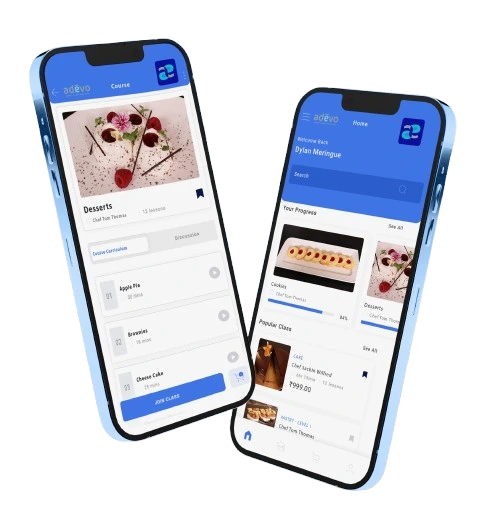
Ready to develop emotional intelligence? Adevo’s soft skills training courses include comprehensive EI modules. Our hospitality management courses focus on EQ for hospitality leaders. Explore L&D outsourcing services for complete EI program design and delivery.
Book a consultation. We’ll assess your team’s EI baseline and design a development program tailored to your property’s culture and challenges.