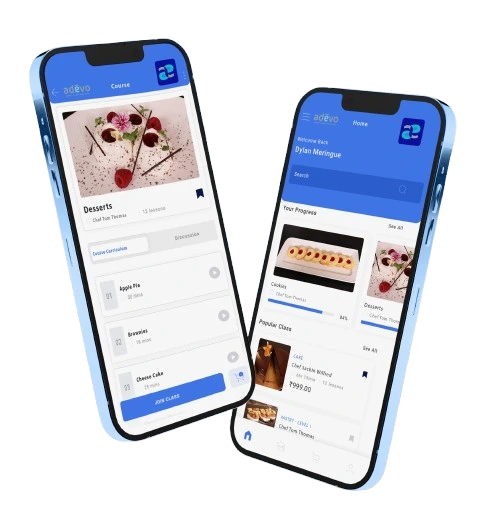
Gamification hospitality training exists for one reason. Standard training does not change how staff act. Completion rates are poor. A large share of hotel employees who start an e-learning module never finish it, and classroom training fares no better, with most of what’s covered fading fast once the follow-up stops. The problem is not staff motivation. Most training just delivers content. It does not change how people act on the job. Gamification in hospitality training fixes this with points, levels, contests, and visible progress, and it makes learning itself feel engaging. Soft skills training courses in Bangalore and across India now build in gamification for one reason: it drives completion, and completion drives real change on the floor. This guide covers what gamification in hospitality training looks like, how to set it up, and what results Indian hotel owners can expect.
Key Takeaways – Gamification in hospitality training is not video games. It means adding points, levels, contests, and instant feedback to training you already run – The best gamification tools in hospitality are simple: upsell contests, housekeeping scoreboards, and quick compliance quizzes, not fancy apps – Indian hotel owners can start gamification with zero tech spend, using scoreboards, badges, and team challenges built around training they already have
What Is Gamification Hospitality Training?
Gamification does not mean turning SOP training into a video game. It means adding game rules, points, levels, badges, boards, challenges, quick feedback, to training and daily duty.
The core game rules that fit hospitality training:
- Points: Award credit for finished training, strong quality scores, upsells, or correct quiz answers
- Levels: Move staff up, from “Level 1: New” to “Level 2: Skilled” to “Level 3: Expert”, based on points or skills shown
- Leaderboards: Open rankings, by month, week, or shift, that spark healthy rivalry
- Badges: Marks for wins, like “FSSAI Certified,” “Top Seller, Q2,” or “Zero Error Week”
- Challenges: Short tasks with a clear prize, like “First team to finish the safety module gets lunch”
- Instant feedback: Give or cut points in real time, so workers see the link between what they did and what they got
Gamification is not a swap for real training. It will not fix weak SOPs. And it is not a gadget project. The best gamification in Indian hotels operates on pen, paper, or a whiteboard. No app needed.
Where Does Gamification Have the Highest Impact in Hospitality?
Three spots give real results in Indian hotels:
1. Upselling
Front desk upselling is a craft built through practice. Gamification speeds this up. It makes results visible and fun to chase. The setup is simple: track every upsell try, offered, turned down, or closed, on a staff board. Give 1 point per offer and 3 points per close. Run a weekly board, with a monthly prize for the top seller.
This works because it splits the act from the result. Making the offer is the act, while closing it is the result, and staff who never offer can never close. The plan rewards the act first. That is where skill grows. It does not wait to reward only the close.
2. Housekeeping quality boards
Most Indian hotels already score room checks. Gamification turns that score into something fun, not something to fear.
Setup: post each attendant’s check score on a staff board. Use names or keep it blind, based on what fits your team. Give a “Zero Defect Shift” badge to any attendant who scores 100% for a full shift. Run a monthly prize. The first attendant to string five top shifts in a row wins.
3. Compliance and food safety quizzes
FSSAI and food safety training are required by law. But most hotels run them once a year in a classroom, and staff forget it fast. Gamification builds this into a daily habit instead.
A simple setup for an F&B team: a two-minute quiz each day, five questions from a bank of 50, sent on WhatsApp. Post the answers same day. Track a monthly board of right answers. Staff who score 80% or more all month earn a “Food Safety Champion” badge. That badge has actual value too. When FSSAI checks arrive, staff can point to daily proof of training.
How Do You Implement Gamification Without Technology?
The simplest gamification setup needs just four things:
- A whiteboard or printed chart in the staff area
- A points system, written down and shared with the associates before launch
- One person in charge of the board, usually the shift lead
- A prize that fits the point value, not costly, but real
Microlearning for hospitality training fits well with gamification. Short modules, 2 to 5 minutes, end in a quiz tied to points. Finish the module, earn points. Score 100% on the quiz, earn a bonus. Together, this beats either one alone on completion and recall.
How Does Gamification Scale Across Multi-Property Hotel Groups?
Point systems and prizes consistently beat plain content in completion rates, in line with the skill-certification approach the National Skill Development Corporation’s PMKVY programme uses to keep trainees engaged through structured milestones. For lodging groups with many properties, cross-property gamification adds a new layer:
- Cross-property boards: Monthly rank of each property by a mix score of completions, check scores, and guest ratings
- Property contests: A one-month contest between properties, like “Which site can sell the most upgrades in F&B this month?”
- Group award events: A shared event to honour staff who reach top-level skill marks, run at the company level, not just one site
The same drivers apply at group scale: staff want to see progress, get praised, and feel they are moving up. At group level, it also builds a culture that is both a contest and a team effort, and that speeds up training across every site.
What Are the Common Gamification Mistakes in Hospitality Training?
Mistake 1, gamifying the wrong thing. Reward speed over quality in housekeeping, say “fastest room wins”, and you get fast rooms full of faults. Build points around the result you want. That means quality, not speed.
Mistake 2, launching without follow-through. A system launched with hype and dropped by month two is worse than nothing. Worse, not neutral. Give it a clear owner. Update the board daily. Run it 90 days before you judge it.
Mistake 3, solo contests in a team culture. In squads built on group work, solo boards can spark friction, not drive. Default to team contests. Save solo praise for clear, standout wins.
Mistake 4, points that do not mean anything. If 500 points buys a prize nobody wants, the whole system falls flat. Ask your crew what they actually want, a day off, a shared meal, a certificate at the monthly gathering, before you settle on point values.
Does Gamification Work for Technical Skills Like Bakery and Pastry?
Bakery and pastry is a precise craft. Skill decides quality, and this is one spot where task-based gamification works well. Trainees compete on first-try success for set recipes. Scores match real production rules. Bakery and confectionery training programmes that add this contest format build sharper skill than watch-and-correct alone.
Conclusion
Gamification in hospitality training is a design choice, not a tech buy. The core parts, points, levels, contests, quick feedback, work on a whiteboard just as well as on an app. The real cost is time and follow-through, not software. Adevo helps hospitality L&D teams build gamification hospitality training programmes that drive real change and skills staff keep. Talk to us at adevo.in/contact-us/.
Frequently Asked Questions: Gamification in Hospitality Training
Q: What is gamification in hotel training? A: Gamification in hotel training adds points, levels, boards, badges, and challenges to training and daily work tracking. It does not mean video games. It does not need an app. The goal is simple: make skill growth visible, fun, and tied to clear progress. That lifts completion and recall over plain content training.
Q: Does gamification actually improve hotel staff performance? A: Yes, if it targets the right things. Gamification that rewards what you want, upsell offers, clean room checks, right quiz answers, drives real gains in those exact acts. The key rule: tie points to things you can see and count. Not vague marks like “attended training.”
Q: How do you implement gamification in a hotel without technology? A: You need four things: a whiteboard in the staff area, a points system explained to the team before launch, a supervisor who updates it daily, and a prize the team values, not always costly. That is a full gamification system. Many Indian resort teams run this on WhatsApp for daily quizzes and a wall chart for points. Zero extra cost.
Q: Which hospitality departments benefit most from gamification? A: Front desk, housekeeping, and F&B service see the biggest wins. Kitchen roles gain too, most of all where a task repeats and skill shows fast, and pastry and bakery teams show strong gains from first-try success contests. Security and engineering see less use, though both demand strict rule-following and both currently run on thin buy-in. That gap is a genuine, open opportunity.
Q: What mistakes do hotels make when implementing gamification? A: The most common ones: reward speed, not quality, which gives fast but weak work. Launch with no set owner, so the board goes stale in weeks, and running solo contests in a team culture breeds friction, not drive. And set prize values too low for the work, so staff tune out fast. All four are easy to dodge with a plan before launch.