Introduction
Vikram Mehta runs a 120-room hotel in Indore. Two branded chains signed properties within three kilometres of his last year. He posted front-desk and F&B openings for eight weeks straight. The result: fourteen applicants, two with any hospitality background, and zero who could handle a PMS check-in without hand-holding. If this sounds familiar, you are not alone. Building a trained hospitality team in a tier-2 or tier-3 Indian city demands a fundamentally different playbook, and providers of soft skills training courses are now designing programmes specifically for these emerging markets.
This guide is that playbook. It covers recruitment, training design, language barriers, government skilling programmes, retention, and cost models for hotel and restaurant operators in India’s fastest-growing hospitality corridors. Every recommendation is grounded in real challenges from cities like Jaipur, Surat, Ayodhya, and Indore.
The Tier-2 Hospitality Boom (And the Talent Crisis It Creates)
Growth Numbers: 75% of 2024 Hotel Signings in Tier-2/3
India’s hospitality expansion has shifted decisively away from metros. 75% of hotel signings in 2024 took place in tier-2 and tier-3 cities, representing approximately 9,710 new rooms. Ayodhya alone has seen a surge in branded hotel projects since the Ram Mandir inauguration. Jaipur, Indore, and Surat are adding inventory at a pace that would have been unthinkable five years ago.
These rooms need staff. India’s hospitality sector will require an estimated 61.31 lakh additional workers by 2036-37 (IBEF). A large share of that demand will come from emerging cities, not Mumbai or Delhi.
The Talent Gap Nobody Prepared For
Here is the core problem: hotel rooms are being built faster than people are being trained to run them. IBEF data indicates that every trained hospitality graduate in India faces 5 or more job openings. In tier-2 cities, that ratio is even more lopsided because established training institutes cluster in metros.
The Federation of Hotel & Restaurant Associations of India (FHRAI) reports that hospitality turnover runs at 25-30% annually. Average hotel staffing levels remain 10-15% below requirements. In tier-2 cities, the shortfall is often worse because new properties compete for the same limited local talent pool.
Why Standard Metro Training Does Not Work Here
A training programme designed for a 400-room Mumbai property assumes certain baselines: staff with some hospitality education, fluent English, exposure to international guests, and familiarity with technology. Transfer that programme to a 60-room hotel in Ayodhya and it collapses. The workforce profile is different. The guest mix is different. The operational context is different.
Tier-2 hospitality training must start from a different foundation. That is what the rest of this guide addresses.
Understanding Your Tier-2 Workforce: Who Are You Actually Recruiting?
Before designing training, you need to understand who walks through your recruitment door. In smaller cities, candidates typically fall into four profiles.
Profile 1: Local College Graduate (Limited Hospitality Experience)
This person has a general degree, sometimes a hotel management diploma from a local institute. They understand basic concepts but lack practical exposure to live hotel operations. They are trainable and often eager.
Profile 2: Village Background, Seeking a City Job
Candidates from surrounding rural areas form a significant part of your applicant pool. They may have completed 10th or 12th standard. They bring strong work ethic but often lack urban service culture, English proficiency, and technology comfort.
Profile 3: Metro Returnee
Some candidates worked in metro hotels but returned home for family reasons. They bring operational skills but may carry metro salary expectations that tier-2 budgets cannot match. Manage expectations early.
Profile 4: Career Switcher from Retail or Services
Workers transitioning from retail, small restaurants, or other service roles. They understand customer interaction but need hospitality-specific skill building.
Tailoring Training by Profile
The mistake most tier-2 operators make is running one generic induction for all four profiles. A village-background hire needs fundamentally different orientation than a metro returnee. Map each new hire to a profile and adjust the first two weeks of training accordingly.
Recruitment Strategy: Finding Talent in Emerging Cities
Recruitment in tier-2 cities relies less on job portals and more on community networks. Here are the channels that work.
Partner with THSC and State Tourism Boards
The Tourism & Hospitality Skill Council (THSC), operating under the Ministry of Skill Development, offers standardised training and certification for hospitality roles. THSC-trained candidates come with baseline skills at minimal cost to the employer. Contact your state’s THSC coordinator to access trained candidate pools.
Leverage PMKVY and IndiaSkills Programmes
Pradhan Mantri Kaushal Vikas Yojana (PMKVY) provides state-level hospitality skill development. Candidates receive free or subsidised training (typically at no cost to the hiring hotel). IndiaSkills 2026 regional competitions in tier-2 cities are another channel to identify high-potential talent.
Local College Tie-Ups
Build placement relationships with local colleges, ITIs, and polytechnics. Even colleges without formal hotel management departments produce graduates who are willing to enter hospitality. Offer structured internships and convert the best performers into full-time hires.
Word-of-Mouth Networks
In tier-2 India, referral hiring remains the most effective recruitment channel. Meera Devi, a housekeeping supervisor at a Surat hotel, recruited her entire 12-person team through her village and neighbourhood network over 18 months. Retention in her team runs at 95% because the social bonds create accountability. Incentivise your existing staff to refer candidates. A referral bonus of a few thousand rupees delivers better results than months of job portal advertising.
Orientation and Adaptation Training: The Critical First Step
Teaching Urban Service Culture
Many tier-2 recruits from rural backgrounds have never stayed in a hotel, let alone worked in one. They may not understand why a guest expects a greeting at the door, or why room temperature matters. Orientation must begin with exposure, not instruction.
Walk new hires through the property as guests. Let them eat in the restaurant, stay in a room, use the bathroom amenities. This experiential orientation builds empathy faster than any classroom session. Follow it with structured hospitality management courses that contextualise global service standards for the Indian tier-2 setting.
English Communication: Industry-Specific Language Training
English proficiency is lower in tier-2 cities. Many domestic guests communicate in Hindi or regional languages, but branded properties still require baseline English for systems, documentation, and the occasional international visitor.
The solution is not a general English course. It is a 3-month conversational English module focused on hospitality vocabulary: check-in phrases, F&B service language, complaint handling scripts, and telephone etiquette. Staff do not need to write essays. They need to say “Good evening, sir. Your table is ready. May I take your order?” with confidence.
Property-Specific Training
After cultural orientation and language foundations, move to property-specific systems training: your PMS, your SOPs, your service sequence. This is where training becomes operational.
Real example: Rajan Sharma, GM of a 100-room Jaipur hotel, onboarded 20 new staff members last monsoon season. He ran a 3-day experiential orientation (staff as guests), followed by 2 weeks of role-specific training, followed by 4 weeks of supervised live shifts. His 90-day retention rate hit 85%, compared to 60% the previous year when he used a generic 2-day induction.
Role-Specific Training Modules for Tier-2 Properties
Front Office: Basic IT Plus Soft Skills
Front-desk staff in tier-2 cities often lack technology comfort. Training must cover PMS navigation, basic billing, and reservation handling alongside guest interaction skills. Role-play exercises using real scenarios from your property are more effective than textbook modules.
Housekeeping: Quality Standards with Limited Resources
Tier-2 properties often operate with basic equipment compared to metro five-stars. Train housekeeping teams to achieve consistent quality with the tools they actually have. Teach cleaning sequences, inspection checklists, and time management for room turnovers.
Food and Beverage: FSSAI Compliance Plus Regional Cuisine
F&B teams need FSSAI hygiene standards training. But in tier-2 cities, they also need to handle regional cuisine service styles alongside continental or pan-Indian menus. Train for both. Multi-role capability matters here because staff in smaller properties often wear multiple hats.
Addressing Language and Literacy Barriers
Regional Language Training Materials
This is non-negotiable for tier-2 success. Training materials must be available in the local language. A housekeeping SOP written only in English is useless for a team that thinks in Hindi, Marathi, Tamil, or Gujarati.
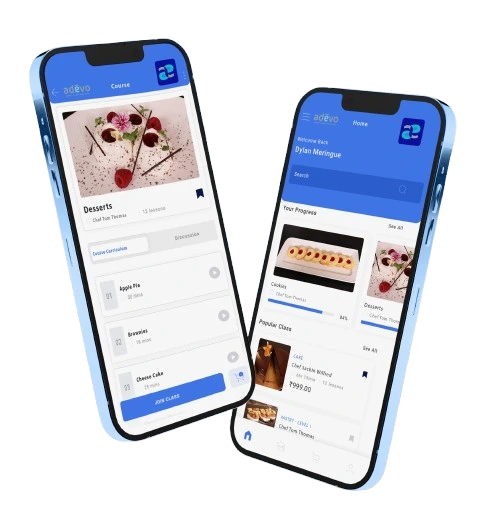
Visual SOPs work best for teams with limited literacy. Use photographs showing correct and incorrect procedures. Combine visual materials with role-play demonstrations and peer learning. Platforms offering mobile learning for hotel staff in multiple Indian languages now make this scalable even for smaller properties.
Literacy Considerations
Not every staff member reads fluently. Accommodate this reality instead of ignoring it. Video-based training modules, demonstration-led learning, and buddy systems (pairing literate and less-literate staff) are practical solutions.
Real example: A mid-sized hotel in Coimbatore trained its 15-person housekeeping team entirely through Tamil-language visual SOPs and video demonstrations. Within three months, room inspection scores improved by 30%, even though only four team members could read English.
Government Skilling Programmes: Free Resources You Should Use
THSC: Standardised and Free
The Tourism & Hospitality Skill Council offers free, standardised training for eligible candidates across roles like room attendant, front-office associate, and F&B steward. The training follows National Skill Qualification Framework (NSQF) standards. Quality varies by training partner, but the baseline curriculum is solid.
PMKVY Certification
State-level PMKVY programmes provide certified hospitality training at zero to minimal cost per candidate. These programmes are especially active in tier-2 cities where the government is pushing skill development. Use PMKVY-certified candidates as your recruitment pipeline and supplement with property-specific in-house training.
How to Use Government Programmes Effectively
Government programmes provide foundational skills but not property-specific expertise. Treat them as Step 1, not the complete solution. Recruit THSC/PMKVY graduates, then invest in your own orientation, adaptation, and role-specific training. The government handles the baseline. You handle the differentiation.
Retention Strategy: The Real Challenge in Tier-2 Markets
Training staff is expensive. Losing them is more expensive. Retention in tier-2 cities comes with unique dynamics.
Wage Reality and Brain Drain
Tier-2 hospitality salaries run 40-50% below metro levels. Your best-trained staff will eventually receive offers from Delhi, Mumbai, or Bangalore hotels willing to pay more. You cannot always match metro wages. But you can compete on other fronts.
Career Path Visibility
Raghav joined a 50-room hotel in Ayodhya as a room boy. Within 18 months, he became housekeeping supervisor. Within three years, he was assistant housekeeper managing a team of 10. He stayed because the GM showed him a clear progression path on day one: helper to supervisor to manager. In a metro hotel, that progression might take eight years. In tier-2, you can offer faster growth. Make that explicit during recruitment and reinforce it during training.
Performance Incentives Over Wage Hikes
In tier-2 markets, performance bonuses are more effective than across-the-board wage increases. Link bonuses to measurable outcomes: guest satisfaction scores, zero complaint months, training completion. This rewards your best performers and creates healthy competition.
Build Your Property as the City’s Training Ground
Position your hotel as the place where people come to learn hospitality. When your property becomes known as the best training ground in the city, recruitment gets easier. Top local candidates seek you out. This reputation is built through structured training, visible career paths, and staff who speak positively about their experience.
Building a Training Culture in Your Tier-2 Property
In-House Training Setup
You do not need a dedicated training room with projectors and whiteboards. A clean meeting space, a television for video modules, printed visual SOPs on the walls, and a monthly schedule is enough. Initial investment: as little as five to ten thousand rupees.
Monthly Training Schedule
Dedicate 2-3 hours per month to all-staff training. Rotate topics: service standards one month, safety the next, upselling techniques the following month. Consistency matters more than duration.
External Trainer Usage
Bring in specialist trainers quarterly for topics your in-house team cannot cover: advanced F&B service, revenue management basics, or leadership development. With L&D outsourcing services, you can access expert trainers without hiring a full-time training manager. Four to five hotels in the same city can share the cost of an external trainer, reducing the per-property expense to approximately 5,000-8,000 rupees per quarterly session.
Guest Feedback as a Training Driver
Use guest reviews and feedback forms to identify training priorities. If three guests in a month mention slow check-in, your next training session focuses on front-office efficiency. This makes training responsive and relevant.
Cost Model for Tier-2 Hospitality Training
Budget is always a concern for tier-2 operators. Here is a realistic cost breakdown.
Training Component | Cost Per Candidate/Session | Notes |
Government-sponsored training (THSC/PMKVY) | Free to Rs 2,000 | Baseline skills; recruit from these pools |
In-house orientation (3-5 days) | Rs 500-1,000 per new hire | Internal resource cost only |
External trainer (quarterly session) | Rs 25,000-40,000 per session | Split across 4-5 hotels: Rs 5,000-8,000 each |
Ongoing monthly staff development | Rs 1,500-3,000/month total | 2-3 hours, all staff, internal delivery |
Digital learning platform | Varies by provider | Scalable; multilingual modules available |
For a 50-room hotel with 25 staff, annual training investment ranges from Rs 50,000 to Rs 1,50,000. Compare that to the cost of replacing even two or three employees lost to poor training and low engagement. The math is clear.
Scaling: Multi-Property Training in Tier-2 Clusters
Shared Training, Shared Cost
If your city has multiple hospitality properties, collaborate instead of competing on training. Three hotels sharing a quarterly training programme spend one-third each while getting the same quality instruction.
Regional Training Centres
Cities with five or more hotel properties can justify a shared regional training centre. Pool resources, bring in external training partners, and create a pipeline of trained candidates that benefits every participating property. This model already works in several tier-2 clusters where hoteliers have formed local associations.
Measuring Success in Tier-2 Context
Track these KPIs to ensure your training investment delivers results.
- Guest satisfaction scores: The most direct measure of service quality improvement
- Staff retention rate (90-day and annual): Training impact shows in retention numbers within the first quarter
- THSC/NSQF certification rate: Percentage of staff with recognised credentials
- Internal promotion rate: Are you developing supervisors from within, or hiring externally every time?
- Competitive differentiation: In a tier-2 city with five hotels, the one with the best-trained staff wins the repeat guest
Benchmark your numbers monthly. Share results with staff. When they see the connection between training and outcomes, engagement rises.
What This Means for Your Property
Tier-2 and tier-3 Indian cities represent the most significant hospitality growth opportunity in a generation. The hotels that win in these markets will not be the ones with the biggest budgets. They will be the ones that build the best teams.
That requires a deliberate approach to training: one that accounts for local workforce realities, language diversity, wage dynamics, and the competition for limited talent. It requires using every available resource, from government skilling programmes to community referral networks to digital learning platforms.
Here is your action list:
- Audit your current workforce by the four profiles described above. Identify where training gaps are largest.
- Connect with THSC and PMKVY coordinators in your state. Build a recruitment pipeline from government-trained candidates.
- Design a tiered orientation programme that adapts to each candidate profile instead of running a generic induction.
- Invest in regional-language training materials. Visual SOPs and multilingual digital modules are not optional in tier-2 markets.
- Build retention through career visibility. Show every new hire the path from entry level to supervisor within your property.
The talent exists in tier-2 India. Your job is to find it, develop it, and keep it. Structured training is how you do that.
Ready to build a training programme for your tier-2 or tier-3 property? Explore Adevo’s hospitality management courses designed specifically for emerging Indian hospitality markets. Our multilingual modules, on-site training capability, and L&D outsourcing services give you enterprise-quality training at a budget that works for smaller city operations. Start with a free consultation to assess your property’s training needs.