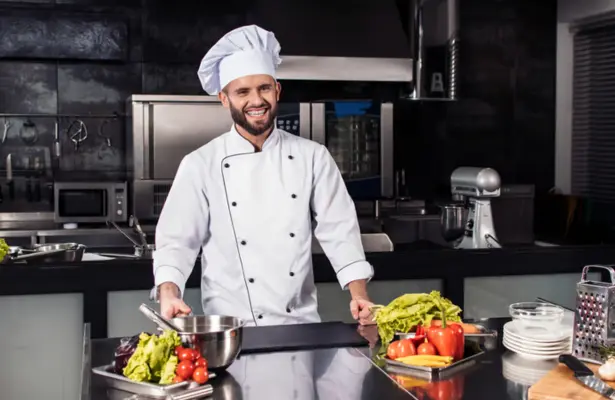
An executive chef course builds the skills that turn a good cook into a genuine kitchen leader. Here’s the truth: the gap is almost never about cooking. It’s about leadership. India’s hotels need kitchen leaders who can handle food cost, FSSAI rules, big teams, and menu profit, all at once. Most hotels just promote their best cook into the top job. Then they wonder why the kitchen falls apart once it grows past one shift. Structured online skill development courses for kitchen leaders close that divide early, well before it turns into a costly, last-minute hiring emergency that nobody at the property saw coming.
Key Takeaways – An executive chef runs the whole kitchen: cost, people, rules, and menu. It’s not just service. The gap between a head chef and an EC is a leadership gap, not a cooking gap – India’s formal EC path runs through NCHMCT or IHM for base training, with THSC-recognised courses closing the gap after that – The traits that set an EC apart from a senior cook are mostly non-cooking: cost control, food safety rules, people growth, and menu planning
What Does an Executive Chef Actually Do? (And How Is It Different From Head Chef?)
An executive chef owns the kitchen business. A head chef runs the floor. That split matters a lot when you’re building a senior brigade, or deciding if your head chef is ready to move up.
The head chef stays at the pass, hands-on, running one kitchen through one service, while the executive chef looks after the whole food side instead: outlets, room service, banquet work, staff meals, and vendor deals, often all in the same week. In a big hotel in Bengaluru, or a large property in Hyderabad, the executive chef might run a brigade of 30 to 60 people spread across many sections.
Here’s what the job looks like, day to day.
- Sets menu direction and cost targets for every outlet
- Reviews the P&L each week and holds section heads to account for waste and portions
- Manages supplier ties and negotiates purchase deals
- Makes sure every kitchen area meets FSSAI rules, including valid FoSTaC status for food safety staff
- Grows junior chefs through hands-on coaching and honest feedback
- Works with the F&B director on event menus, seasonal shifts, and guest notes
Here’s the line that splits the two jobs. The head chef fixes today’s problem. The executive chef stops tomorrow’s problem before it starts.
What Qualifications Does an Executive Chef Need in India?
There’s no single required qualification for an executive chef in India. The strongest candidates still pair a formal culinary or hotel foundation with genuine leadership coaching on top.
The NCHMCT or IHM route is still the most known formal path. The National Council for Hotel Management and Catering Technology runs 21 central schools, plus many state and private colleges affiliated to it. A three-year BSc in Hospitality from an IHM gives new chefs the cooking skill, food sense, and kitchen know-how that big chains want at entry and mid-level roles.
Hands-on time counts for more than paper once you reach EC level. Most executive chefs at Indian hotel chains have spent 12 to 18 years in kitchens, with solid stints as CDP, sous chef, and head chef, not just time on a résumé, and a candidate who climbed a proper ladder at a Taj, ITC, or Lemon Tree site carries far more weight than someone with a certificate and only four years on the floor.
THSC-backed upskilling bridges the space between raw cooking talent and true skill on the floor. HR teams at mid-market and budget properties cite the Tourism and Hospitality Skill Council’s PMKVY courses as proof of actual growth, even for chefs who skipped the full IHM route.
What EC-level candidates usually lack isn’t cooking talent at all. It’s the business side: cost control, people-growth systems, FSSAI audit readiness, and overseeing several sites at once. That’s the exact shortfall a strong kitchen leadership course is built to close.
What Skills Does an Executive Chef Need Beyond Cooking?
The traits that set an executive chef apart from a senior cook are almost all non-cooking. Owners who grasp this build proper kitchen command pipelines. Owners who don’t just keep re-hiring, year after year, at genuine cost.
Food Cost and Kitchen P&L
An executive chef must hit cost targets, usually 28 to 35 percent at full-service hotels, even as prices swing hard with the season, and that takes solid command of yield rates, portion math, and pricing: which dishes drive profit, and which quietly bleed it dry.
FSSAI Compliance and Kitchen Hygiene Audits
Food safety is no longer a back-office job, it sits with the kitchen leader now, and chefs must check that every safety officer holds a valid FoSTaC card, that logs get filled in daily, and that the kitchen clears its own checks before an inspector shows up. A failed food safety check at a flagship hotel is a leadership failure. Full stop.
Team Development and Kitchen HR
The executive chef is the most senior face in almost every cook’s career at that site. Handling exits, spotting strong CDPs early, running honest feedback talks, and building a coaching habit that cuts onboarding costs over the long run: these sit squarely at EC level, and most kitchen courses barely touch them at all, even the ones that claim to cover people management in depth.
Menu Development and Supplier Negotiation
Menu planning at EC level means seeing how design, cost, guest taste, and outlet position pull on each other. A new menu means testing, safety checks, allergen notes, and vendor talks, and the executive chef either runs all of it directly or signs off before it goes live.
Training and Developing Junior Chefs
Executive chefs running high-retention kitchens quietly build their own in-house academies. They run genuine Commis coaching, write SOPs that new hires can follow without hand-holding, and spot future CDPs 12 to 18 months before the role opens. This pipeline is what keeps a kitchen steady, instead of one that cracks apart every time a senior cook quits.
How Do Indian Hotels Develop Executive Chefs Internally?
The best Indian hotel groups run proper grooming tracks, not loose, informal mentoring. Owners who build this kind of pipeline spend far less hiring senior staff from outside, and they also keep their best cooks longer, because the path up feels planned, not random.
Here’s what the usual inside track looks like. A strong DCDP or CDP gets spotted around years four to six, is handed a section with actual say over cost and people, then moves up to sous chef with wider scope, before finally being weighed as ready for head chef. Most pipelines snap right at the jump from head chef to executive chef, because the skills needed shift hard, from running a kitchen well to managing a business.
Structured kitchen operations and culinary training courses fill that exact hole. They give sous chefs and head chefs the cost sense, people skills, and rule-book grounding they need before stepping into EC-level duty, not after their first P&L meeting leaves them staring blankly.
Knowing current pay levels at each stage helps owners set retention and promotion calls with genuine confidence. Our guide on chef salaries in India 2026 maps pay across every brigade level, from Commis III right up to Executive Chef, including the divide between metro and small-city pay.
What Is the Career Path to Executive Chef in India?
Here’s the typical timeline in Indian hotel kitchens.
- Commis III to Commis I: 2–3 years (basic skill-building)
- Commis I to DCDP or CDP: 2–4 years (section ownership starts)
- CDP to Sous Chef: 4–7 years (the longest stretch, real hands-on command)
- Sous Chef to Head Chef: 3–5 years (team and kitchen-level P&L)
- Head Chef to Executive Chef: 3–5 years (business command, multi-outlet scope)
- Total: 12–18 years from trainee to executive chef
What decides how fast someone moves at each stage.
- Commis level: Steady skill and tight mise en place habits
- CDP level: Running a section well and coaching the staff below you
- Sous Chef level: Juggling P&L, scheduling, and service all at once
- Head Chef level: Growing the team and owning hygiene compliance
- Executive Chef level: Ties with GMs, F&B directors, vendors, and owners
The chefs who rise fastest aren’t always the best cooks in the room. They’re the ones who build steady habits early: notes, cost tracking, regular staff reviews, habits that still hold up once the job gets bigger.
Full executive chef courses barely exist in India at the true EC level. But short leadership programmes on cost control, hygiene standards, and people growth are now easier to find, through THSC-linked coaching partners and hospitality-focused learning firms.
Conclusion
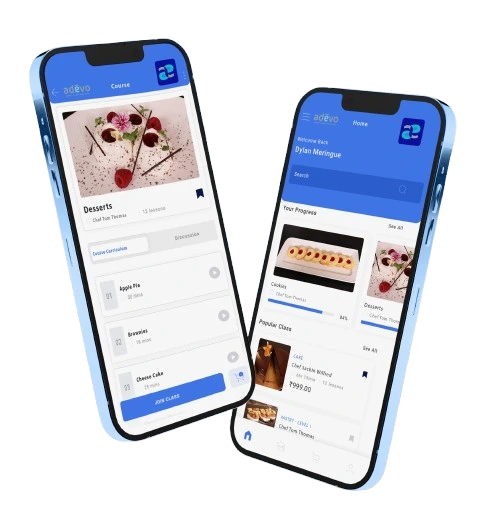
Growing an executive chef from inside costs less than hiring one from outside, it also works better when the path is planned, not left to chance, and if you’re building that path at your property, talk to Adevo’s team about how a structured kitchen leadership course fits your plan, at getting in touch with our team.
Frequently Asked Questions: Executive Chef Course and Training
Q: What qualifications do you need to be an executive chef in India? A: Nothing is fixed by law. Most executive chefs at Indian hotel groups carry a culinary or hotel diploma from an NCHMCT or IHM-linked school, plus 12 to 18 years of steady climb through the ranks. THSC-recognised upskilling in kitchen command and cost control now carries real weight with HR teams at mid-market and premium brands.
Q: How many years of experience does an executive chef need? A: Most sit between 12 and 18 years on the job, with solid stints at CDP, sous chef, and head chef rank along the way. The precise figure matters less than the shape of the climb: someone who has owned cost accountability, run a crew, and handled hygiene compliance beats a rival with more years but narrower scope.
Q: What is the difference between a head chef and an executive chef? A: A head chef runs one kitchen and handles daily service. An executive chef oversees the whole food operation instead: several outlets, banquet work, vendor contracts, staff growth, and profit across every corner of the property. Small independent restaurants often fold both jobs into one person, but in larger groups, these stay separate roles with separate lines of blame.
Q: Is an executive chef course available in India? A: Dedicated executive chef courses at the true EC tier remain rare here, unlike culinary schools in Europe or the US. Instead, you’ll find kitchen command and management courses run by THSC-linked providers, hospitality institutes, and specialist coaching firms, covering the non-cooking essentials: budgeting, staff growth, hygiene standards, everything that turns a skilled cook into someone ready for the corner office.
Q: What does an executive chef training programme cover? A: A solid programme walks through menu design and cost control, safety compliance and hygiene checks, people command and kitchen HR, juggling several outlets at once, and supplier talks. Cooking itself barely features; that skill is assumed walking in. The real aim is the business sense that years behind a stove rarely teach on their own.
Q: How much does an executive chef earn in India? A: Pay typically spans Rs 1.5 lakh to Rs 4 lakh a month, shaped by city, brand, and property tier. Five-star groups in Mumbai, Delhi, and Bengaluru sit at the top bracket, while independent hotels and budget groups pay noticeably less. Moving from head chef to the corner office brings a steep raise, often 40 to 80 percent, which is exactly why growing talent from within pays off for both sides.