Introduction
Here’s the reality: India’s hospitality sector is booming, but hotels and restaurants are struggling to train staff fast enough. Training is one of the most critical levers for hospitality success, which is why soft skills training courses designed specifically for your workforce can make the difference between thriving and struggling. The World Travel & Tourism Council projects India’s hospitality sector will support 63 million jobs by 2034, yet staff attrition remains one of the biggest challenges operators face. Many properties are training the same roles repeatedly, cycling through staff who leave due to poor working conditions, lack of career paths, or inadequate training.
This isn’t a capacity problem; it’s a training problem. And 2026 is the year that’s changing.
Across India’s hospitality landscape, from Tier 1 metros to Tier 2 cities, operators are rethinking how they onboard, upskill, and retain talent. AI is entering kitchens. Digital LMS platforms are reaching staff on their phones in regional languages. Microlearning is replacing week-long induction programmes. And smart hotels are connecting training investment directly to margins and guest loyalty.
If you’re running a hotel, restaurant group, or F&B operation in India, this shift matters. The training decisions you make in 2026 will determine whether you’re staffed and profitable in 2027, or scrambling to fill empty shifts.
This guide covers six transformative trends shaping hospitality training in 2026, why they’re happening now, and how to implement them practically in your operation.
1. The Hospitality Training Crisis: Why Change is Urgent
The Numbers
India’s hospitality workforce currently stands at 40 million people. That’s a massive pool. but it’s drowning in chronic skill shortages, stubbornly high attrition, and significant gender imbalance. By 2035, the sector will need an additional 11 million workers. But we’re not on track to train them.
Here’s the cost of not acting: replacing a trained chef costs ₹5–10 lakhs. Replacing a skilled housekeeping manager costs ₹2–3 lakhs. Across a 50-property hotel chain, attrition alone can cost ₹2–5 crores annually in replacement and training costs.
But there’s a second, harder-to-measure cost: service inconsistency. When you’re constantly bringing new staff on board without proper training, guest satisfaction drops. Repeat bookings decline. Online reviews suffer. A single unhappy guest’s one-star review can cost you ₹50,000+ in lost future revenue.
Why This is Happening
Three factors converge:
- Poor working conditions. Long shifts, low wages, limited benefits drive young workers away from hospitality
- No clear career paths. Staff see no route from server to supervisor to management
- Inadequate training. Most hotels and restaurants still rely on on-the-job learning from busy shifts, not structured programmes
The hotels that are winning in 2026? They’re fixing #3. structured, modern training. because it directly addresses #2 and partially solves #1.
The Business Case
The argument is straightforward: hotels that invest in training reduce attrition, improve guest satisfaction, and boost margins. Trained staff deliver consistent service, leading to better reviews and repeat bookings. They understand pricing and upselling, which lifts revenue per guest. They work more efficiently, reducing errors and waste.
And yet, training is often treated as a cost centre, not a competitive advantage. That’s changing in 2026.
2. AI and Automation Are Changing the Skills You Need to Teach
What’s Shifting
The jobs themselves aren’t disappearing. but they’re transforming. The front-desk agent of 2026 isn’t just booking rooms and checking guests in. They’re using AI-powered systems that predict guest preferences, personalise room settings, and suggest dining experiences.
The kitchen supervisor isn’t just managing prep schedules. they’re monitoring automated inventory systems, analysing food cost data, and using AI to optimise portion sizes and reduce waste.
New roles emerging across Indian hospitality include:
- Analytics Manager. interpreting occupancy, revenue, and guest data to optimise pricing and operations
- Automation Coordinator. managing property management systems (PMS), CRM tools, and integrated tech stacks
- Digital Revenue Specialist. understanding dynamic pricing, yield management, and channel distribution
- Guest Experience Designer. blending hospitality knowledge with technology to create seamless journeys
What Your Staff Actually Need to Learn
Here’s the important part: AI isn’t replacing most hospitality roles yet. What’s changing is the toolkit.
Your staff need exposure to:
- Cloud-based property management systems (PMS). no longer just knowing how to book a room; understanding how the system works
- CRM tools and guest data. knowing why a guest’s preferences matter and how to access them
- Cybersecurity basics. handling guest credit cards and personal data securely
- Data-driven thinking. understanding metrics, occupancy trends, revenue per available room (RevPAR)
A study by AIHMAS Jaipur found that 7 in 10 Indian hoteliers see AI as helpful for fraud prevention and cybersecurity. Most are not (yet) using AI to replace staff. they’re using it to augment what staff do.
The Training Implication
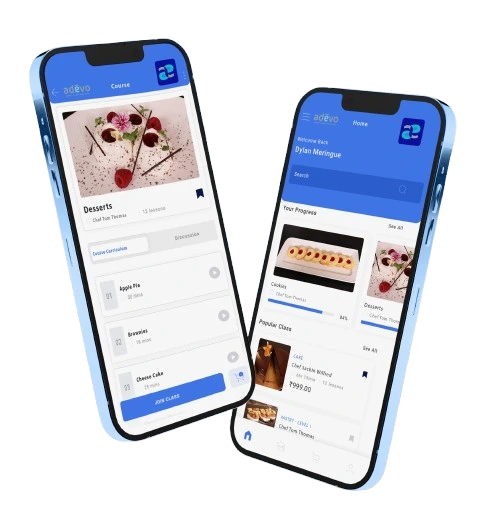
You can’t teach this in a three-day induction course. You need modular, ongoing training. This is exactly what’s driving the shift toward online skill development courses that allow staff to learn at their own pace, anytime, anywhere. And that’s where digital platforms and microlearning come in.
3. Digital-First Training: From LMS to Microlearning
Why Traditional Training Fails in Hospitality
Think about your property’s reality: housekeeping starts at 5 AM. F&B service runs until 11 PM. Staff work split shifts, seasonal patterns, and high turnover.
Traditional training. a two-week classroom induction, week-long management courses. doesn’t fit this reality. Staff can’t be pulled off the floor for extended training. Properties can’t afford to pay staff to sit in a classroom. And after two weeks, what they learned is half-forgotten.
The result: most hospitality staff learn on the job, from busy colleagues, in inconsistent ways. No wonder service varies so much.
Microlearning: The Solution Emerging
Microlearning is training in 3–7 minute chunks. A video on how to handle a guest complaint. A quiz on POS system steps. A scenario on managing a dietary restriction at F&B service.
These modules are:
- Mobile-first. accessed on staff phones, not laptops (because staff don’t sit at desks)
- Offline-capable. critical for Tier 2/3 cities where connectivity is inconsistent
- Language-flexible. available in Hindi, Tamil, Kannada, Telugu, and more
- Just-in-time. staff can look up an answer before they need it (e.g., “How do I handle a VIP check-in?” right before a celebrity arrival)
The results are tangible: properties using microlearning LMS platforms see faster onboarding (days instead of weeks), better engagement (especially when combined with gamification elements like badges and leaderboards), and stronger knowledge retention. Bite-sized modules are simply easier to remember than full-day workshops.
Hilton Worldwide University (HWU) is the gold standard. They’ve deployed microlearning to hundreds of thousands of employees globally, with role-specific modules tailored to different job functions. The result: faster onboarding, higher engagement, better retention.
What Modern Hospitality LMS Platforms Offer
If you’re evaluating an LMS for your property in 2026, look for:
- Mobile accessibility. seamless app for iOS/Android
- Offline access. content available without internet (critical for India)
- Multilingual content. 10+ languages as standard
- Gamification. badges, leaderboards, completion tracking (drives engagement)
- Integration with PMS. pulling roster data, tracking completion by role
- Performance reporting. seeing which staff have completed which modules, test scores, areas needing reinforcement
Top platforms in the Indian market (2026) include enterprise-grade solutions with strong analytics, flexible scaling for mid-market operators, and regional players building solutions specifically for Indian hospitality with multilingual content libraries. The key is finding one that matches your property size, budget, and technical capability.
4. Multilingual Training for India’s Diverse Workforce
The Language Barrier No One Talks About
Here’s a challenge that rarely makes it into global hospitality training discussions: India’s hospitality workforce doesn’t speak English uniformly.
Your housekeeping team in Bangalore might include staff from rural Karnataka, Tamil Nadu, and Andhra Pradesh. Your kitchen brigade might include chefs from West Bengal, Punjab, and Kerala. Not all of them are fluent in English.
Traditional English-only training materials? They create a two-tier system. English-fluent staff progress faster. Regional language speakers struggle. And both are unhappy.
The Scale of the Challenge
Consider a 25-property hotel chain across South India:
- Property 1 (Bangalore): Need training in English, Kannada, Tamil
- Property 2 (Hyderabad): Need training in English, Telugu, Hindi
- Property 3 (Coimbatore): Need training in English, Tamil, Telugu
- Properties 4–25: Variations across eight languages
Producing training content in eight languages manually? Prohibitively expensive. Most chains settle for English-only, which limits adoption and effectiveness.
Multilingual LMS Solutions
Modern hospitality platforms solve this with:
- 20+ language support as standard
- Video-based content (reduces language dependency. a visual of correct POS entry works in any language)
- Downloadable materials in regional languages for offline reference
- Peer mentoring in native languages. senior staff can teach junior staff in their shared language
Properties that implement multilingual training see improved completion rates, faster proficiency, and better retention. Staff feel valued when training is in their native language. This isn’t just a nicety. it’s a competitive advantage in Tier 2 and Tier 3 cities where you’ll be expanding.
5. Six Key Training Trends Shaping Hospitality in 2026
Trend 1: Practical Labs and Simulations
Gone are the days of classroom lectures. Modern training uses:
- Simulated POS systems. practice transactions without affecting live sales
- Virtual guest scenarios. role-plays of difficult situations (complaints, VIPs, language barriers)
- Video-based SOPs. staff watch standard operating procedures in action, then practice
Why it matters: Hands-on learning sticks. When staff practice a scenario before facing it in real service, they perform better. High-performing hotels in Bangalore and Mumbai are already deploying simulations for F&B training and front-office procedures.
Trend 2: Sustainability and Eco-Operations Training
Guests increasingly care about environmental impact. Hotels are responding with:
- Training on energy-efficient operations. how to manage HVAC, lighting, hot water without waste
- Waste management procedures. composting, recycling, guest-facing sustainability messaging
- Eco-friendly practices in F&B. sustainable sourcing, reducing food waste, seasonal menus
Marriott and ITC are leading here in India, embedding sustainability into staff training. It’s both an ESG requirement and a guest expectation, especially among leisure travellers booking on international OTAs.
Trend 3: Revenue and Data Skills Training
Historically, only revenue managers understood pricing and occupancy. In 2026, this literacy is spreading:
- Front-desk staff learn how RevPAR works and why upselling matters (not just “sell another room,” but “understand margin”)
- F&B managers see cost percentages and contribution margins
- Housekeeping supervisors track labour productivity against occupancy
Why: Staff who understand the business numbers care more about operational efficiency and profitability.
Trend 4: Soft Skills and Emotional Intelligence
This hasn’t changed and won’t. What’s evolving is how it’s taught:
- Scenario-based learning. handling difficult guests, managing conflict, de-escalation techniques
- Communication in multilingual environments. how to serve diverse guests (some speak Hindi, some English, some only regional languages)
- Problem-solving frameworks. empowering staff to make decisions, not just follow scripts
Why it matters: Technical skills are table stakes. Guest satisfaction is driven by EQ. how staff make guests feel. Hotels that train soft skills alongside technical skills see 4.5+ star ratings consistently.
Trend 5: Mobile and On-Demand Training
Shift schedules are unpredictable. Staff turnover is constant. One-size-fits-all training schedules don’t work.
Modern training is:
- Accessible 24/7 on mobile phones
- Just-in-time. a new server can watch a 5-minute video on wine pairing right before service
- Asynchronous. no waiting for the next batch training date; start learning immediately
- Trackable. management sees who’s completed what, who needs reinforcement
Trend 6: Continuous Learning and Career Pathways
Attrition drops when staff see a future. Forward-thinking properties are creating:
- Certification programs. “Certified in Hospitality PMS,” “Advanced F&B Service,” etc.
- Career ladders. front-desk associate → supervisor → manager, with clear training milestones
- Ongoing learning. not just onboarding, but quarterly upskilling, seasonal topics (e.g., peak season service tactics)
This signals to staff: “You have a future here. We’re investing in you.”
6. The Business Case: ROI of Hospitality Training in 2026
The Cost of Inaction
Poor training is expensive. When staff are inadequately trained, guests notice. Service is inconsistent. Reviews suffer. Repeat bookings decline. And staff turnover accelerates. The real cost isn’t just recruiting replacements; it’s lost revenue from guest dissatisfaction and the operational chaos of constant onboarding.
When you invest in structured training, the opposite happens. Staff stay longer. Guests are satisfied. Revenue grows. The payoff is measurable within 12-18 months, with returns compounding each year as your team becomes more experienced and stable.
Why 41% of Hotels Are Increasing Training Investment in 2026
The hospitality sector is tightening margins. Occupancy rates are improving (70–74% in the premium segment), but labour costs are rising. The equation is simple: invest in training now, reduce attrition, improve margins, and gain competitive advantage.
Hotels that skip training investment in 2026 are betting they can hire and train continuously without impact. In a market where skilled staff are scarce and attrition is high, that’s a losing bet.
7. Implementation Framework: 5 Steps to Transform Your Training in 2026
Step 1: Audit Your Current Training
Before you buy an LMS or hire a training provider, understand where you are.
Create an audit checklist:
- Content: What topics do you currently train on? Is it documented?
- Format: Classroom? On-the-job? Digital? Mix?
- Languages: English only or multilingual?
- Technology: Paper-based tracking or digital?
- Measurement: Do you track completion rates? Test scores? Attrition impact?
- Gaps: Which roles have high failure rates? Which topics are frequently re-taught?
Your audit will reveal:
- Inconsistencies (some properties train differently)
- Language barriers (if you haven’t heard complaints, you’re not listening)
- Knowledge gaps (common mistakes that keep happening)
- Opportunities (quick wins where better training pays immediate dividends)
Budget 2–3 weeks for this. Interview 5–10 long-tenured staff members and ask: “What did you wish you’d known in your first week?”
Step 2: Define the Skills You Need to Teach
Not all training is equal. Prioritise based on:
- Impact on guest experience: What directly affects ratings and repeat bookings?
- Safety and compliance: FSSAI requirements, fire safety, hygiene standards
- Revenue and efficiency: POS systems, upselling, energy management
- Culture and retention: Soft skills, career pathways, recognition
For each role (server, housekeeping, kitchen, front-desk, supervisor), map:
- Technical skills: How to use the PMS, POS, specific operational procedures
- Soft skills: Communication, problem-solving, guest empathy
- Future-focused skills: Data literacy, sustainability practices, basic AI tool usage
Example: For a front-desk agent:
Technical | Soft | Future-Focused |
PMS check-in/check-out | Guest communication | Understanding RevPAR |
Payment processing | Conflict de-escalation | Using CRM guest data |
Room assignment logic | Handling complaints | Basic cybersecurity (guest data) |
Step 3: Select Your Technology
If you’re not currently on an LMS, now’s the time. Compare based on:
- Multilingual support: Does it offer your required languages?
- Mobile-first design: Can staff access on basic Android phones without high data use?
- Offline capability: Critical for India’s connectivity variance
- Ease of use: Can supervisors upload content without IT help?
- Pricing model: Per-user, per-property, flat fee? What fits your budget?
- Support: Is there local support for implementation and issues?
For Indian hospitality, both global platforms (Docebo, Cornerstone) and regional players offer solutions. Don’t get distracted by feature bloat. you need mobile, multilingual, offline-capable, and simple.
Step 4: Create Content (or Partner with a Provider)
You have two paths:
- DIY: Develop content internally using your team’s expertise
- Pros: Customized to your SOPs, brand voice, specific properties
- Cons: Time-intensive (3–6 months for full library), requires content creation skills
- Cost: ₹10–20 lakhs for a complete onboarding + intermediate training library
- Partner with a Provider: Use pre-built content + customization
- Pros: Faster deployment (6–8 weeks), multilingual library already built, expert-developed pedagogy
- Cons: Less customization, higher upfront cost
- Cost: ₹20–50 lakhs (varies by provider and scope)
Most successful hotels use a hybrid approach: Start with a provider’s core content library (POS, safety, service standards), then customise with your SOPs, brand guidelines, and property-specific training. If you’re looking to accelerate training deployment, food and beverage training courses designed for rapid onboarding can provide the foundation framework while you customise role-specific modules.
Content should be:
- Video-heavy (reduces language dependency)
- Short modules (3–7 minutes per video)
- Scenario-based (show the right and wrong way)
- Interactive (quizzes, simulations, not just passive viewing)
Step 5: Measure and Iterate
Training isn’t a one-time project. It’s a system. Track:
- Completion rates: Are staff actually finishing modules?
- Proficiency: Are test scores improving? Are mistakes on the floor decreasing?
- Attrition by cohort: Do staff trained on new programmes stay longer?
- Guest satisfaction by trainer cohort: Does training actually lift ratings?
- Cost per trained employee: Are you getting ROI?
Set monthly goals: “By month 2, 80% of new hires complete onboarding in 5 days or fewer.” “By quarter 2, guest satisfaction scores on F&B service improve by 0.3 points.”
Review these metrics monthly with your L&D team. If something isn’t working, adjust.
8. What to Expect in 2026: Market Projections
India’s hospitality market is entering explosive growth, with the sector projected to more than double in size by 2031. Hotel occupancy rates are improving, and more properties are expanding into Tier 2 and Tier 3 cities.
This growth means two things for training:
- More rooms mean more staff. You’ll need to train rapidly and consistently. Training systems that work today won’t scale without structure.
- Competition for skilled workers intensifies. As more properties expand, wage competition rises and attrition pressures increase. Hotels without effective training will lose staff to rivals.
The properties winning in 2026 are those that:
- Invest in digital, multilingual training systems now
- Create career pathways so staff see a future
- Measure training ROI and connect it to margins
- Treat training as a competitive advantage, not a cost
Conclusion: Your Training Audit Starts Now
The future of hospitality training in India isn’t coming. it’s here. AI is in kitchens. Digital platforms are reaching rural staff on their phones. Multilingual training is solving language barriers. And the hotels that are moving fastest are seeing measurable advantages in retention, guest satisfaction, and margins.
You don’t need to implement everything at once. Start with:
- Audit your current training (2–3 weeks)
- Define priority skills (1 week)
- Pilot one role (kitchen supervisor or front-desk) on a modern LMS (3–4 weeks)
- Measure results and iterate (ongoing)
If you’re running a multi-property chain or a standalone hotel, this matters urgently. High staff attrition and poor guest satisfaction aren’t inevitable. They’re signals that your training system needs investment.
Ready to assess your training readiness? Start with this checklist: Does your next training platform offer multilingual support? Can staff access it offline? Can you integrate it with your PMS? If the answer to any is “no,” keep looking. For deeper insights on implementing mobile learning, read our guide on mobile learning for hotel staff — where we break down practical deployment strategies for Indian properties.
Your 2026 training strategy determines your 2027 profitability.