
Housekeeping Training Program: Complete Management Excellence Framework

Housekeeping Training Program: Complete Management Excellence Framework

Introduction

The housekeeping department is often underestimated in hotel operations, yet it’s the single most critical factor in guest satisfaction. When a guest walks into a clean, well-maintained room, their entire experience improves—their likelihood of returning increases, their online review becomes positive, and they recommend your property to others. Conversely, cleanliness issues generate immediate negative reviews and damage your reputation faster than almost any other problem.

Despite this critical importance, most hotels invest far more in front desk and food & beverage training than in housekeeping. Many housekeeping departments operate with minimal formal training, relying instead on informal shadowing and on-the-job learning. This approach leads to inconsistent standards, high turnover (often 75-80% annually), and guest satisfaction issues.

This comprehensive guide walks you through creating a housekeeping training program that builds both technical excellence and management capability. Whether you’re opening a new property, upgrading an existing program, or developing supervisors into leaders, this framework will help you build a housekeeping team that delivers consistent, exceptional results while supporting staff retention and professional growth.

Why Housekeeping Management Training Matters

Before diving into how to train, let’s establish why comprehensive housekeeping training delivers measurable business value.

Guest satisfaction directly depends on cleanliness: Research consistently shows that 85%+ of hotel guests rate cleanliness as their top priority. When guests encounter dirty rooms, they leave negative reviews immediately—and these reviews heavily influence potential guests’ booking decisions. One negative cleanliness review can cost you multiple future bookings.

Housekeeping turnover is a crisis in hospitality: The annual turnover rate in housekeeping exceeds 75-80%, among the highest in any industry. Each departure costs you:

  • Training investment ($2,000-$3,000 per new hire)
  • Productivity loss during the learning curve
  • Inconsistency in quality standards
  • Lost institutional knowledge about your property

Proper training significantly reduces turnover: Properties that implement comprehensive housekeeping training programs see 25-35% lower turnover than those without formal programs. This single benefit often pays for the training investment within one year.

Managers need preparation, not just promotion: Many housekeeping supervisors are promoted from staff roles without formal management training. They understand the technical work but lack the communication, leadership, and performance management skills needed to lead effectively. This creates frustrated new managers and turnover among supervisory staff.

Quality consistency is impossible without standards: Without clearly defined procedures and quality standards, different room cleaners produce dramatically different results. Guests notice this inconsistency immediately. Clear standards, properly trained staff, and consistent quality inspection create the reliable quality guests expect.

The 5 Pillars of Housekeeping Training Excellence

Comprehensive housekeeping training rests on five integrated pillars, each essential for overall program success.

Pillar 1: Technical Skills & Standard Operating Procedures

Technical competency is the foundation. Housekeeping staff need to know exactly how to clean rooms to your standards, efficiently and safely.

What staff need to master:

  • Step-by-step room cleaning procedures (specific sequence, timing, technique)
  • Equipment operation and safety (vacuums, cleaning solutions, safety protocols)
  • Specialty cleaning (carpets, upholstery, windows, bathrooms)
  • Amenity placement and room setup standards
  • Hazard identification and reporting
  • Lost and found procedures

Training approach:

  • Written procedures manual with photos/diagrams
  • Video demonstrations showing correct technique
  • Hands-on practice with feedback
  • Competency verification before independent work
Pillar 2: Quality Assurance & Inspection Standards

Staff must understand what quality looks like and how it’s measured. Quality standards must be clear, consistent, and measurable.

Standard setting:

  • Define specific quality criteria for every element (clean bathroom, organized closet, bed presentation, etc.)
  • Create inspection checklists with photos showing acceptable vs. unacceptable standards
  • Set timing expectations (e.g., “standard room clean in 30-35 minutes”)
  • Establish consistency metrics

Inspection process:

  • Teach staff how rooms are inspected
  • Involve staff in self-inspection to build quality awareness
  • Provide immediate feedback on inspections
  • Recognize and reward quality achievement
Pillar 3: Team Leadership & Communication

Supervisors and managers need distinct leadership training beyond technical skills.

Key competencies for supervisors:

  • Clear communication with diverse teams
  • Motivation and positive reinforcement
  • Performance feedback and coaching
  • Problem-solving and conflict resolution
  • Scheduling and resource management
  • Safety and compliance oversight

Training should include:

  • Effective communication with non-native English speakers
  • Motivation strategies for hospitality workers
  • Constructive feedback techniques
  • Conflict resolution skills
  • Delegation and empowerment
  • Building team cohesion across shifts
Pillar 4: Performance Management & Accountability

Clear performance expectations, measurement, and consequences create a culture of accountability.

Performance dimensions:

  • Quality (meeting cleaning standards, inspection scores)
  • Efficiency (room turnover time, productivity metrics)
  • Safety (accident rates, safety protocol compliance)
  • Reliability (attendance, punctuality, responsiveness)
  • Growth (skill development, advancement progress)

Management approach:

  • Clear performance expectations documented at hiring
  • Regular performance feedback (daily/weekly observations)
  • Formal evaluations at 30/60/90 days and annually
  • Recognition programs for high performers
  • Improvement plans for underperformance
Pillar 5: Professional Development & Career Growth

Investing in staff development signals that your organization values them and creates pathways for advancement.

Development opportunities:

  • Cross-training in specialty roles (lead housekeeper, trainer, quality inspector)
  • Advancement pathways to supervisory and management roles
  • External certifications (housekeeping management, hospitality industry credentials)
  • Leadership development programs
  • Training the trainer certifications

Developing Technical Competency in Housekeeping

Strong technical training creates consistent quality and builds staff confidence.

Creating Standard Operating Procedures

SOP development process:

  1. Document your current best practices (observe top performers)
  2. Define the specific steps in logical sequence
  3. Establish timing expectations (e.g., “Queen room complete in 32 minutes”)
  4. Create visual aids—photos showing each step and quality standards
  5. Write procedures in clear, accessible language
  6. Include safety warnings and equipment handling

SOP should cover:

  • Pre-shift preparation and equipment setup
  • Room-by-room cleaning sequence and specific tasks
  • Bathroom cleaning (toilet, sink, tub/shower, mirrors, floors)
  • Bedroom cleaning (dusting, vacuuming, bed making, organizing)
  • Quality inspection checklist
  • Reporting and communication procedures
Hands-On Training Protocol

Training sequence:

  1. Observation (1-2 shifts): New employee observes experienced cleaner performing tasks
  2. Guided Practice (2-3 shifts): Trainer works alongside new employee, providing guidance and feedback
  3. Supported Independence (3-5 shifts): New employee completes work with trainer nearby, observing periodically
  4. Quality Verification (1 shift): Trainer inspects work and provides feedback
  5. Independent Work: Employee works alone with periodic manager inspections

Competency validation ensures employee successfully completes inspection-ready room cleanings before transitioning to independent work. Supplement this hands-on training with online skill development courses that provide reference materials, procedural videos, and self-paced learning modules staff can access during their shifts.

Specialty Cleaning Training

Specialized skills training:

  • Carpet cleaning techniques and equipment
  • Upholstery care and stain removal
  • Window and glass cleaning
  • Bathroom grout and tile care
  • Floor maintenance and waxing (when applicable)
  • Hazardous material handling and safety

Building Management & Leadership Skills

Leadership development transforms good supervisors into exceptional managers.

Communication Excellence

Critical communication areas:

  • Clear instructions: Ensure team members understand assignments and expectations
  • Active listening: Understand team members’ concerns and ideas
  • Feedback delivery: Provide specific, constructive performance feedback
  • Cross-cultural communication: Managing diverse teams with language differences
  • Emergency communication: Clear procedures for urgent situations

Communication training techniques:

  • Role-playing exercises with common scenarios
  • Practice with real team situations
  • Feedback on communication effectiveness
  • Cultural awareness training
  • Non-native English speaker accommodation strategies
Motivation & Team Building

Motivation strategies:

  • Recognition and celebration of achievements
  • Career development and advancement opportunities
  • Autonomy and decision-making input
  • Fair treatment and consistent standards
  • Team building activities and celebrations

Building cohesion:

  • Pre-shift team meetings with engagement
  • Cross-shift communication (handoff briefings)
  • Team celebrations for milestones
  • Peer recognition programs
  • Problem-solving collaboration
Conflict Resolution & Difficult Conversations

Common housekeeping conflicts:

  • Performance issues and quality problems
  • Attendance and punctuality problems
  • Interpersonal conflicts between team members
  • Language/cultural misunderstandings
  • Workload distribution concerns

Resolution approach:

  • Address issues early before escalation
  • Listen to understand the person’s perspective
  • Focus on specific behaviors, not character judgments
  • Collaborate on solutions
  • Follow up to ensure resolution

Creating a Sustainable Housekeeping Training Program

A well-designed program is systematic, measurable, and continuously improving.

Structured Onboarding Timeline

Week 1: Foundation

  • Day 1: Welcome, company orientation, safety training
  • Days 2-3: Tour of property, department overview, team introduction
  • Day 4-5: Introduction to cleaning basics, equipment orientation

Week 2-3: Core Skill Development

  • Hands-on training with experienced mentor (2-3 shifts)
  • Learning specific room cleaning procedures
  • Quality standards orientation
  • Supported practice with feedback

Week 4: Independent Work

  • Independent room cleaning with supervisor spot-checks
  • Quality inspection and feedback
  • Adjustment and additional training as needed
  • Assessment for competency

Month 2+: Ongoing Development

  • Regular performance feedback
  • Skill development and cross-training
  • Introduction to advancement opportunities
  • Professional development planning
Ongoing Training & Reinforcement

Monthly training topics:

  • New equipment or procedures
  • Seasonal needs (HVAC filter changes, window cleaning, etc.)
  • Guest services scenarios
  • Safety refreshers
  • Problem-solving challenges

Annual training:

  • Comprehensive procedure refresher
  • Safety certification renewal
  • Customer service training
  • Leadership development (for supervisory staff)
Performance Management System

Regular monitoring:

  • Daily observation of work quality
  • Weekly quality inspections with documentation
  • Monthly performance metrics review
  • Feedback on productivity, quality, and teamwork

Recognition program:

  • “Employee of the Month” with tangible reward
  • Peer recognition system
  • Performance bonuses tied to quality metrics
  • Public acknowledgment of achievements

Measuring Training Program Success

Effective programs track outcomes and continuously improve.

Key performance metrics:

Guest Satisfaction:

  • Guest satisfaction scores (target: 4.5+/5.0 on cleanliness)
  • Cleanliness complaints (target: <2% of occupied rooms)
  • Online review ratings (target: 4.5+ stars)

Operational Performance:

  • Quality inspection scores (target: 95%+ passing standard rooms)
  • Room turnover time (target: within 5% of established standard)
  • Occupancy and revenue (monitor trend correlation)

Staff Performance:

  • Turnover rate (target: <40% annually, down from industry 75%+)
  • Attendance and punctuality (target: >95%)
  • Internal promotion rate (supervisory positions filled internally)

Training Effectiveness:

  • New hire competency achievement rate (target: 90% within probation)
  • Time to full competency (target: consistent across hires)
  • Skill development progress (cross-training completion)

Common Housekeeping Training Challenges & Solutions

Most properties encounter predictable challenges when implementing comprehensive training programs.

Challenge 1: Language Barriers

  • Problem: Non-English speaking staff struggle with procedures and feedback
  • Solution: Use visual aids (photo-based procedures), simple language, multilingual resources through soft skills training courses

Challenge 2: High Turnover Disrupts Training

  • Problem: High turnover means constantly training new people; experienced staff leave
  • Solution: Career pathways, competitive compensation, recognition programs, professional development through hospitality management courses

Challenge 3: Maintaining Consistency Across Shifts

  • Problem: Different supervisors have different standards; evening/night shifts less consistent
  • Solution: Standardized procedures, consistent inspections, supervisor training, cross-shift communication

Challenge 4: Balancing Quality & Efficiency

  • Problem: Emphasis on speed compromises quality, or quality focus slows efficiency
  • Solution: Proper training teaches both; realistic timing expectations; recognition for quality achievement

Challenge 5: Staff Motivation in Difficult Conditions

  • Problem: High-pressure work, physical demands, low prestige lead to disengagement
  • Solution: Recognition, career development, management support, team cohesion, online skill development courses for advancement

Challenge 6: Supervisor Development

  • Problem: Promoting good room cleaners doesn’t automatically create good supervisors
  • Solution: Formal management training, leadership development, clear expectations, ongoing coaching

Implementation Roadmap: 90 Days to Excellence

Month 1: Assessment & Planning

  • Evaluate current training program (or lack thereof)
  • Document current procedures and standards
  • Assess team skills and training needs
  • Set performance targets

Month 2: Program Development & Launch

  • Develop/refine training curriculum
  • Create visual procedure guides
  • Implement new onboarding program
  • Begin training supervisors on management skills

Month 3: Refinement & Reinforcement

  • Gather feedback from initial trainees
  • Adjust procedures based on experience
  • Implement performance recognition program
  • Establish ongoing training calendar
  • Develop career advancement pathways

Month 4+: Continuous Improvement

  • Monitor key metrics
  • Provide ongoing training and development
  • Recognize and celebrate successes
  • Adjust based on performance data
  • Plan for advancement and specialization

Conclusion

Creating an excellent housekeeping training program isn’t just about teaching people how to clean rooms—it’s about building a culture of excellence, professionalism, and career development. The most successful properties recognize that housekeeping is central to guest experience and invest accordingly in training, leadership development, and staff advancement.

Properties that implement comprehensive housekeeping training programs consistently report:

  • Higher guest satisfaction scores (especially on cleanliness)
  • Lower staff turnover and reduced recruitment costs
  • Better online reviews and repeat bookings
  • More efficient operations and better room productivity
  • Stronger team cohesion and positive workplace culture
  • Lower management burden through trained, empowered supervisors

The investment in training pays for itself through improved retention, reduced recruitment costs, and increased revenue from better guest satisfaction and reviews. More importantly, it creates an environment where housekeeping staff feel valued, developed, and respected—which is what every employee deserves.

Start by assessing your current training approach. Identify gaps. Implement one pillar at a time. Measure results. Celebrate successes. Consider engaging professional training partners—comprehensive soft skills training courses in Bangalore and similar programs in your region can accelerate your program’s success by bringing expert facilitation and proven methodologies.

Your housekeeping team is your competitive advantage. Invest in their training and development, and watch your guest satisfaction, employee retention, and profitability transform. Excellence in housekeeping isn’t an accident—it’s the result of systematic training, clear standards, supportive management, and genuine investment in staff success.

Section IV: Supervisory Skills

Section III: Menu Knowledge

Section II: The Service Cycle

Section I: Fundamental Modules

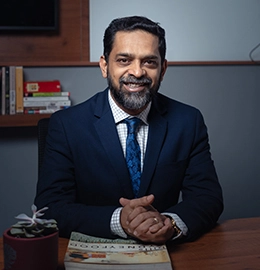
Brendon Pereira
Co-Founder
Brendon Pereira leads the areas of Business & Finance, Technology, and Strategic Consulting. With three decades of diverse experience, Brendon has worked in financial planning, corporate finance, and strategic management across various industries.
Prior to co-founding Adevo, he founded Brenridge Consulting, where he provided expertise in strategic planning, corporate finance, HR planning, and performance management. His prior roles include Consulting Chief Financial Officer at Kapston Facilities Management and Vice President – Corporate Planning & IT at Dusters Total Solution Services Private Limited, where he managed business planning, M&A, and IT & automation. Brendon also brings valuable operational experience from his time as Operations Manager at Reliance Industries Ltd (Petroleum Business) and earlier in hospitality as Unit Manager at TGI Fridays, and F&B Manager roles at Le Meridien, The Orchid Ecotel, and Hotel Marine Plaza.
Brendon’s educational background includes a Post Graduate Executive Management Program (MBA) from S.P. Jain Institute of Management & Research, an MDP in Mergers, Acquisitions & Restructuring from the Indian Institute of Management Ahmedabad, a BA in Political Science from the University of Mumbai, and a Hotel Management degree from the Institute of Hotel Management, Bangalore. He has also completed Level 1 of the CFA Charter from the CFA Institute, USA.
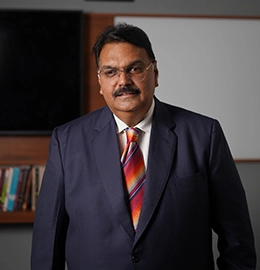
Krishna Shantakumar
Co-Founder
Krishna Shantakumar, oversees content development, consulting, product development, and HR. With a career spanning three decades in the hospitality industry, Krishna’s journey began after graduating from the Institute of Hotel Management in Bangalore in 1995. An unyielding passion for food prompted him to boldly trade a traditional engineering path for his true calling, to forge a career in hospitality
Krishna’s extensive experience includes setting up a Hotel Management Institute in Chennai, a management trainee role with Ramanashree Group, pioneers in the budget business hotel segment, and successfully transforming Hotel Priyadarshini in Hospet. He then spent 21 years with the Aswati Group, where he played a pivotal role in expanding restaurants like EBONY, conceptualizing and designing multi-award-winning establishments such as The 13th Floor, ASEAN On The Edge, The Legend of Sikandar, Sindbad, Ebony Bistro, Dancing Wok, Katpadi Junction, and Panda House. Beyond this, Krishna has consulted on, executed, and operated four cafes and bake-houses, two hotels with multiple food and beverage outlets, two fine dining restaurants, and an exclusive cocktail bar.
His educational background includes a Diploma in Hotel Management from the Institute of Hotel Management, Bangalore and a Bachelor’s degree in Economics from Osmania University, Hyderabad.
Rashmi Koppar
Co-Founder
Rashmi Koppar spearheads the organization’s marketing, pedagogy, and academic functions. With over 27 years of extensive experience in the hospitality industry and academia, Rashmi is a passionate hotelier and educator who has worked with leading names such as The Taj and Oberoi group of hotels. Her career also includes significant tenures at M. S. Ramaiah University of Applied Sciences, where she held roles as Deputy Registrar and Academic Registrar, contributing to infrastructure development, policy implementation, curriculum design, and faculty training.
Driven by her belief that hospitality education should be universally accessible, transcending geographical, economic, and time barriers, Rashmi co-founded Adevo, dedicating it to transforming learners into skilled hospitality professionals. Her educational foundation includes a Post Graduate Diploma in Human Resources Management from the All India Institute for Management Studies, a Housekeeping Management Training Program from the Oberoi Centre for Learning and Development, and diploma in Hotel Management from the Institute of Hotel Management, Bangalore